THE MUSICAL MUSE
Blog dedicated to music education, practice tips, health
&
wellness, and geeking out.

Practice Planning (2020 edition)
My detailed walkthrough of my Trello Board and how I use Trello to plan not only my daily practices, but any studio livestreaming and recording projects.
This year, I have been using Trello to plan and organize my own music practicing. Check out my vlog where I do a detailed walkthrough of my Trello Board to plan not only my daily practices, but any studio livestreaming and recording projects:
My Music Practice Trello Board Walkthrough
Reference Links
Here are some links to other sites and playlists that I referenced in my vlog:
Trello.com: a web-based Kanban-style list-making application
Finally, here are links to my content related to practicing music:
What practice planning strategies do you use? What practice ideas work for you? What doesn’t? Please add them to the Comments and let’s discuss!

Fostering Self-Assessment with Cross-Training
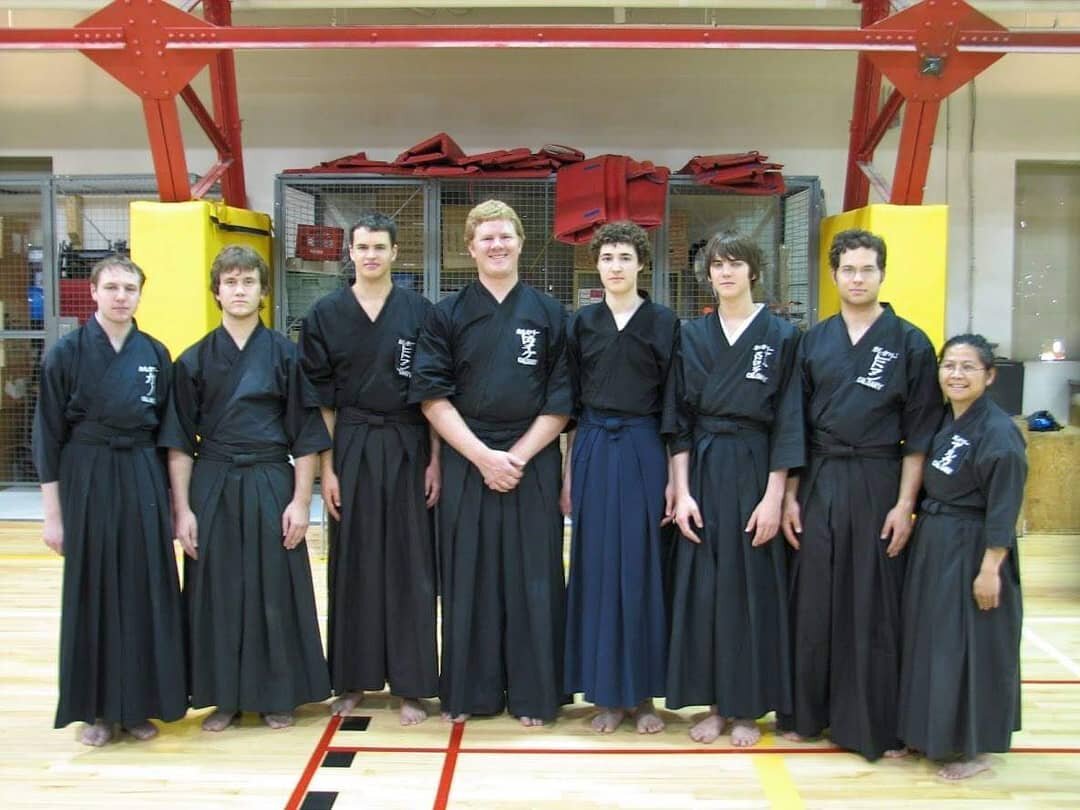
For someone who trains in four somewhat rare martial arts, the Zoominar was a priceless opportunity to work with some of the top instructors in Canada, to listen to one of the highest ranking instructors in the world from his home in England, and to meet practitioners from around the world.
The focus of all the sessions was to give attendees tools to take ownership of their physical distancing training. Immediately, I could see how these self-assessment tools and drills could be adapted to help music students do the same. Here are some of the tools and tips that my students and I have added into our practicing.
Originally published in the July 2020 edition of APTA News & Views.
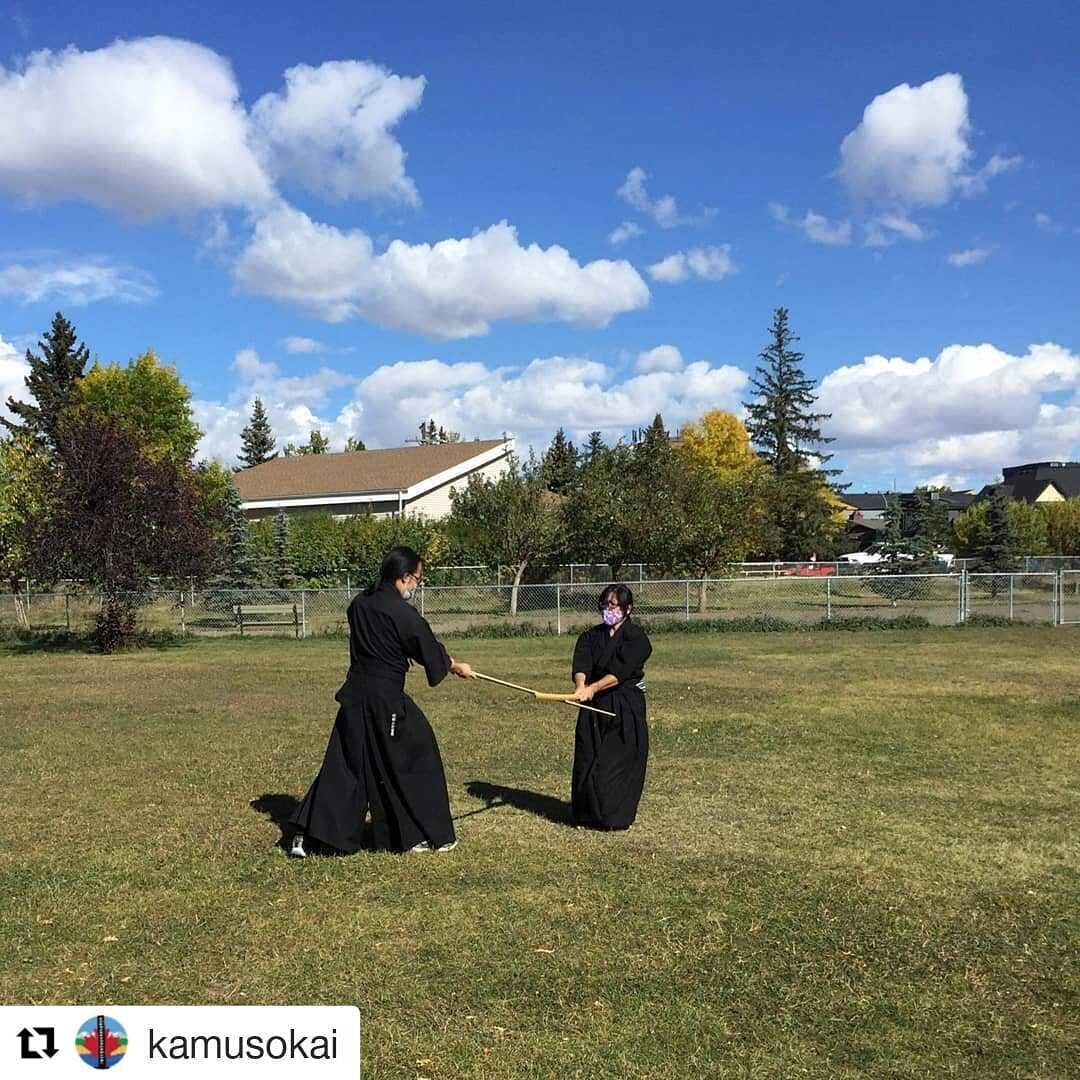
One of the positives from the COVID-19 pandemic is that we are able to attend classes and seminars from the comfort of our own homes. On the May long weekend, I was able to participate in an international martial arts seminar that was hosted in Guelph, Ontario. For someone who trains in four somewhat rare martial arts, the Zoominar was a priceless opportunity to work with some of the top instructors in Canada, to listen to one of the highest ranking instructors in the world from his home in England, and to meet practitioners from around the world.
The focus of all the sessions was to give attendees tools to take ownership of their physical distancing training. Immediately, I could see how these self-assessment tools and drills could be adapted to help music students do the same. Here are some of the tools and tips that my students and I have added into our practicing.
Galligan Sensei’s Quadrants
Carole Galligan sensei is the highest ranking female in Canada for Iaido, the art of cutting from the sword draw. With her preparing for her 7th degree black belt grading, she shared how she was continuing to train without the benefit of being in the same room as her sensei. Like music teachers, sensei normally physically adjust arms, hands and body position or demonstrate concepts via partner work.
She held up this diagram while saying that each of our techniques contain these elements. Then she led us through various exercises to identify our dominant quadrant. Our weakest quadrant lays kitty-corner to it.

Galligan sensei holds up her quadrants for us to work through during the 2020 Guelph Seminar.
In discussion with my students, this is how we adapted sensei’s quadrants for music:

My teen and adult students have set out to identify their overall dominant quadrant, as well as their dominant for each piece. That done, they are now focussing their practices on “levelling up” their weakest. The younger students are picking one quadrant to focus on per practice.
Whether my students think that Galligan sensei is cool or they love the tool, I am seeing and hearing immediate results.
What’s Wrong with this Picture?
Galligan sensei also showed us several photos of her doing various techniques incorrectly and asked us to identify what was wrong. She then challenged us to do the same when reviewing photos and videos of ourselves practising. Some practitioners admitted that they were uncomfortable watching themselves. Sensei recommended they start by studying photos and videos of other people.
This translates extremely well to music practice. This past week, I have played videos of other people performing my students’ repertoire, asking them to identify what was good (and not so good) about the performances. Some of them have already jumped to Stage 2, which is to record and review their own practices.
Play it Backwards Drill
Galligan sensei confused several of us when she asked us to execute a kata (form) from end to start. It jolted us all out of complacency, forcing us to really concentrate. By the time we performed the kata normally, we noticed that overall, we were cleaner and smoother.
Several of my students have jumped onto this drill, immediately applying it to all of their troublespots. Others needed more repetitions or smaller practice chunks. The improvement has ranged from noticeable to incredible.
Green Sensei’s Adaptability Drill
In his session, David Green sensei (6 degree black belt in Iaido) covered changing one or more elements in our practice space and routine to jolt our brains out of complacency and challenge our ability to adapt. For example, training on a different surface or facing a different direction.
With us being housebound we, along with our students, have lost a bit of our adaptability savvy developed from performing on different pianos. My students came up with these changes to practice adaptability: change the lighting, practice with eyes closed, move objects and music to a different spot in the room, change chairs, and to record practices.
Tribe Sensei’s Tips on Dealing with Conflicting Advice
Eric Tribe sensei (6 degree black belt in Iaido and Jodo) is the CKF Head Examiner for Jodo in Eastern Canada (the art of the Japanese short staff), as well as the President of Jodo Canada. In his session, he presented video clips from two different instructors on the subject of technique.
On the surface, it seemed like they were coming at it from opposite sides. Tribe sensei had us try the technique, following the advice of each instructor. He then asked us to find the common ground between the two viewpoints. Between the commonalities and discussing what felt natural and logical, we were able to find our middle ground.
This also translates very well for music. My teen students have been listening to three or more performances of their pieces. Not only have they been comparing and contrasting, but they are also gaining ideas for experimentation. *
It has been a lot of fun adapting these drills and tools for music practice. My sensei have all been encouraging of this type of cross-training. Perhaps there is something that you do as a hobby or for exercise that you can adapt and use with your students. Or maybe there is something that your students do that can have applications to music. A little cross-training is good for everyone.

Reflecting on My First 100 Days of Practice Challenge
Last Thursday, I completed my first 100 Days of Practice Challenge. As I went straight into it after my 30 day challenge, I had practised for 130 consecutive days.
Was it hard? Yes and no. There were definitely days in which it was 11:30 at night and I hadn’t gotten to any practising because of other commitments. There were days when I could only do a short practice. But once I made the commitment to my students and online, I felt honour-bound to see it through.
Did I make any life-changing discoveries? Nope. If you do something regularly, you’re going to see some improvement. There are countless studies on that.
If anything, this challenge was an opportunity for me to get back in touch with the way I used to practice at university and whilst preparing for my ARCT in Piano Performance. Here are a few things that stood out as I look back on this challenge…
Doing something every day for 100 days seems like a really long time. At least, it did back in the fall when my piano students and I embarked on our practice challenges.
Most of them wrapped up their 60 Days of Practice Challenge around Christmas Break, so they are in the early stages of their 100 Days of Practice Challenge. I’ll share some of their thoughts once all the surveys have been turned in.
Last Thursday, I completed my first 100 Days of Practice Challenge. As I went straight into it after my 30 day challenge, I had practised for 130 consecutive days. I don’t think I have ever practised 130 days straight as a student.
Was it hard? Yes and no. There were definitely days in which it was 11:30 at night and I hadn’t gotten to any practising because of other commitments. There were days when I could only do a short practice. But once I made the commitment to my students and online, I felt honour-bound to see it through.
Did I make any life-changing discoveries? Nope. If you do something regularly, you’re going to see some improvement. But I knew that going in. There are countless studies on that.
If anything, this challenge was an opportunity for me to get back in touch with the way I used to practice at university and whilst preparing for my ARCT in Piano Performance. Here are a few things that stood out as I look back on this challenge:
Goalsetting is Important
The only goal I had going into this 100 day challenge was to show my students (as well as any aspiring musician) what practising is like. Yes, practising can be difficult. Yes, it can be unglamorous. However, with hard work and perseverance, you can attain those victory moments. The practice clips I shared on the studio Instagram page reflected this. The majority of them featured me drilling trouble spots in my students’ repertoire as well as my own. It also featured me racing from the moment I got the song list to prepare for church the following day.
It may have seemed like a hodgepodge, unlike the other #100daysofpractice musicians who were sharing the development of their audition or recital repertoire. However, I think the clips gave a good representation of what we as music teachers and those who perform work through in a day.
To help keep me on track, I resurrected the Practice Journal. My daily practice tracker was fine for giving me a bird’s eye view over a month. The journal gave a much clearer insight on what exactly I worked on. More importantly, it showed how each session went and what needs more work. It was nice to just whip out my journal and share an insight with a student that I had with one of their pieces.


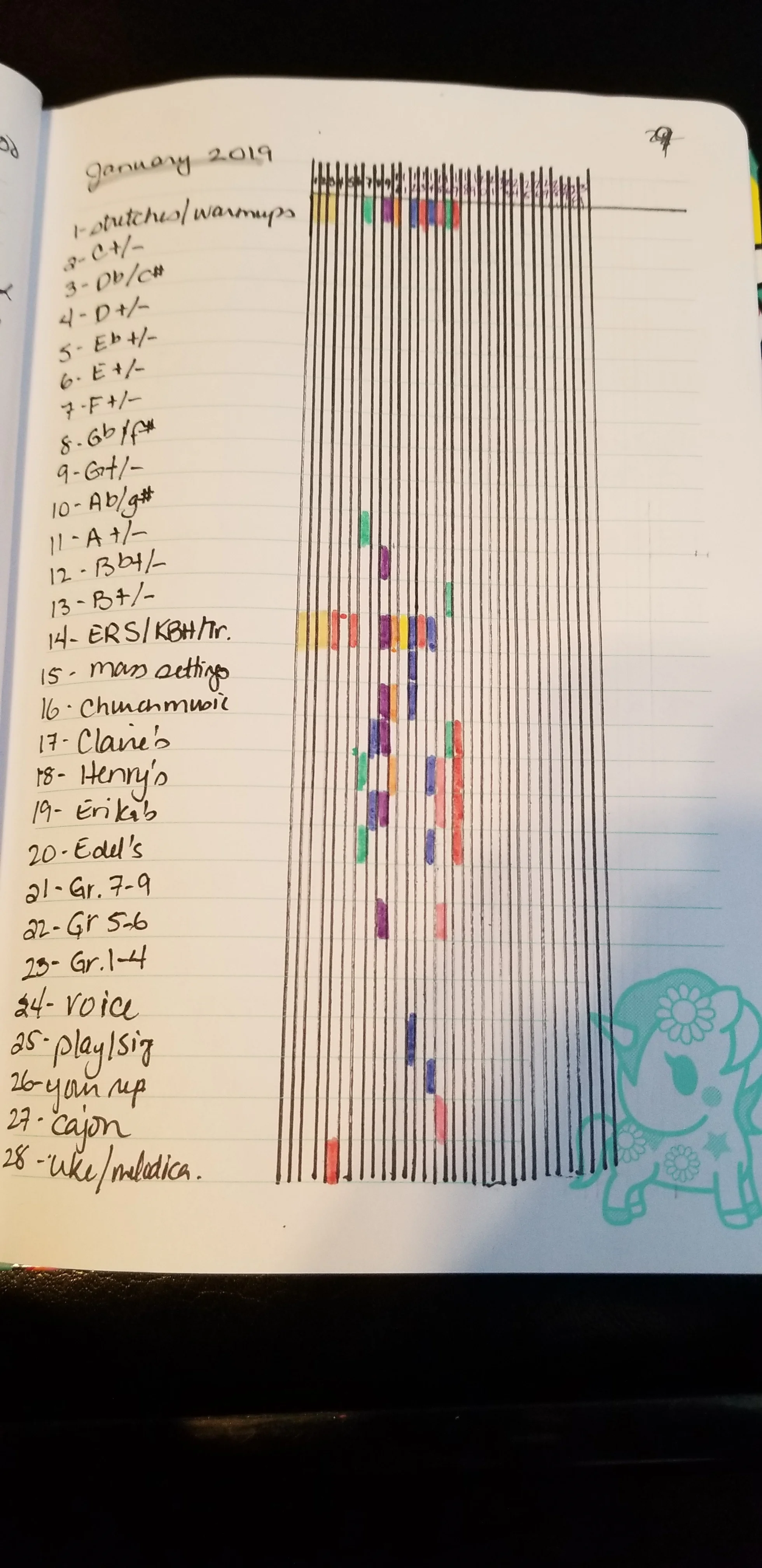
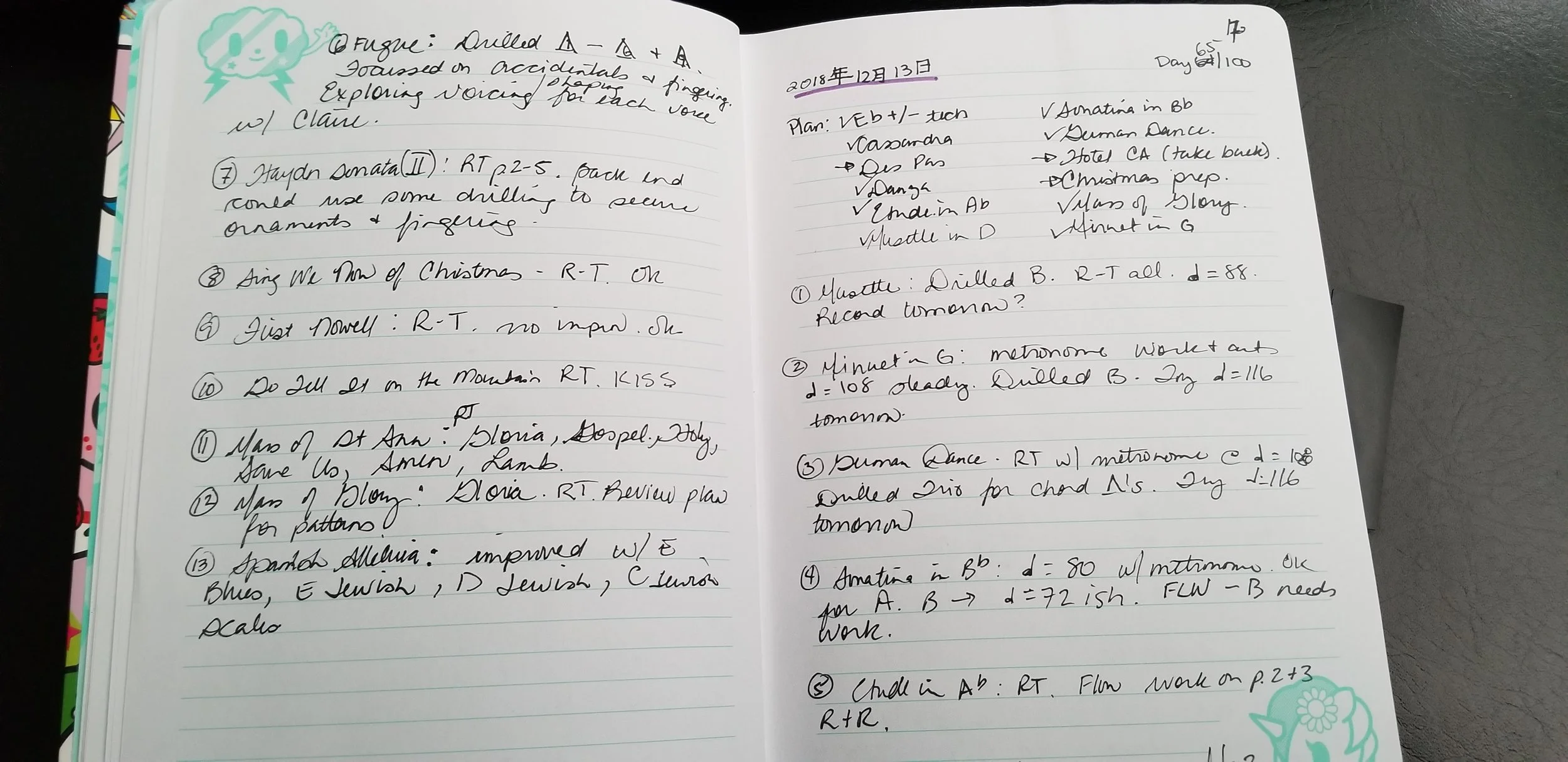

At the end of most practices, I sketched out a practice plan for the following day. This worked extremely well as the plan and my practice tracker showed that I cycled through my students’ repertoire (Grade 3 - 10) and piano technique quite regularly.
I must admit that in the past few years, my practising consisted of occasionally running through my students’ trouble spots but mainly focussed on racing to get songs ready for church as soon as I got the list for the next day. I did listen to my intermediate and advanced students’ repertoire regularly, however, thanks to my YouTube playlist. Needless to say, my practice frequency wasn’t as regular as it could have been.
Reviewing Your Practices is Important
Often, we go through the motions of a task without much conscious thought, be it exercise, a musical instrument, writing, photography, dance, and so on. If we want to improve however, we need to improve our self-evaluation skills. Effective practice is mindful practice. That means asking yourself if a section getting better? If not, why not? What else can you do to get it? Who can you ask for help if you are stuck?
I used to record my practice sessions fairly regularly during my university days and when I was preparing for my ARCT. Then, I fell off the “Record & Review” wagon hard, although I told my students they should be doing it.
With my public practice log being the studio’s Instagram account, I had no choice but to record photos and/or video of my practices - and to review them. I actually wound up letting the clips play while I was folding laundry or washing dishes, which helped me plan out future practices and lessons with my students.
Flexibility in your Practising is Important
Having practice goals and a plan is all well and good, but what if you just had a crappy day? This was the precise reason why I didn’t specify a practice time length for my students or myself. Quality over quantity.
On the days I was completely drained, mentally or physically (sometimes both), or when I had to work longer than anticipated, I needed a “light practice” plan. For me, that included everything from “playing” with music ed apps, scorestudying (with our without the piece playing in the background), reviewing practice clips, or rhythm work. One night, I was so tired from a long week of teaching and ushering that I fell asleep in the middle of an ear training drill on the Perfect Ear app.
Someone asked me recently how long my daily practices were. They ranged anywhere between two minutes to over three hours.
My 100 Days of Practice Log
For ease, I’ve compiled links to each of my 100 days below, for those who want to check out the clips. If not, scroll down to see what’s the next practice challenge:
Day 1: Mass of Glory | Day 2: Mass of Glory | Day 3: Come Now is the Time to Worship | Day 4: Spanish Alleluia | Day 5: Morning Prayer | Day 6: Pirates of the Caribbean | Day 7: Nocturne in e minor, op. 72 no. 1 | Day 8: Oath Sign | Day 9: Etude in A-flat Major, op. 30, no. 19 | Day 10: Oath Sign | Day 11: Someone to Lava | Day 12: Perfect Ear app drills | Day 13: Pirates of the Caribbean | Day 14: Game of Thrones Medley | Day 15: Danza de la moza donosa | Day 16: Oath Sign | Day 17: Oath Sign | Day 18: Basic cajón exercise | Day 19: Game of Thrones Medley (tap practice) | Day 20: Prelude & Fugue in d minor, BWV 851
***
Day 21: Danza del viejo boyero | Day 22: Dance of the Aborigines | Day 23: Grade 10 RCM piano technical exercises | Day 24: Seven of Hearts | Day 25: Perfect Ear app drills | Day 26: Samba groove rhythm work | Day 27: Samba groove drill on cajón | Day 28: Danza del gaucho matrero | Day 29: Foggy Day Blues | Day 30: Nocturne in e minor, op. 72 no. 1 & Our God
***
Day 31: O Canada & Awesome God | Day 32: Choir practice photo | Day 33: Sight singing and Boomwhackers | Day 34: The Avengers | Day 35: Lied | Day 36: The Avengers & Lied | Day 37: La Puerta del Vino | Day 38: Ear training: singing intervals | Day 39: Ready the Way | Day 40: Scorestudy Sunday photo
Day 41: Pirates of the Caribbean & Sonata in g, Hob. XVI: 44 (1st mvt.) | Day 42: Mighty to Save | Day 43: French Suite No. 3 in B minor BWV 814 - Minuet and Trio & Mass of St. Ann | Day 44: The Avengers | Day 45: Child of the Poor/What Child is This? | Day 46: Funky scales & trying out the lyre | Day 47: Perfect Ear app drills | Day 48: Technical Exercises | Day 49: Prelude & Fugue in d minor, BWV 851 | Day 50: Be Unto Your Name
***
Day 51: Sing We Now of Christmas | Day 52: Danza del viejo boyero | Day 53: Mass of St. Ann | Day 54: Perfect Ear app drills | Day 55: Pirates of the Caribbean | Day 56: Prelude & Fugue in d, BWV 851 | Day 57: Nocturne in e minor, op. 72, no. 1 | Day 58: Days of Elijah Clip 1 & 2 | Day 59: Days of Elijah Clip 1 & 2 | Day 60: Choir Practice photo
***
Day 61: Perfect Ear app drills | Day 62: Sonatina in B-flat Major, op. 12, no. 5 & God Rest Ye Merry Gentlemen | Day 63: Child of the Poor/What Child is This? | Day 64: Nocturne in e minor, op. 72 no. 1 | Day 65: Cassandra’s Dream | Day 66: Sonata in D, K 33 L 424 & Fly Me to the Moon | Day 67: Go Tell it on the Mountain | Day 68: Perfect Ear app drills | Day 69: Pirates of the Caribbean & Ready the Way | Day 70: Sing We Now of Christmas & Mass of St. Ann
***
Day 71: III maj7 - VI maj7 - ii7 flat 5 - v7 - i7 progression | Day 72: Days of Elijah | Day 73: Gentle Waltz | Day 74: Joy to the World | Day 75: Holy is His Name | Day 76: O Come all Ye Faithful | Day 77: Choir practice photo | Day 78: The Most Amazing Sheep Game | Day 79: The Most Amazing Sheep Game | Day 80: Child of the Poor/What Child is This?
***
Day 81: Let Heaven Rejoice | Day 82: The Most Amazing Sheep Game | Day 83: Note Rush app | Day 84: Perfect Ear app | Day 85: Perfect Ear app | Day 86: Perfect Ear app | Day 87: Arpeggii practice | Day 88: Tetria A Theme | Day 89: Perfect Ear app | Day 90: Pirates of the Caribbean
***
Day 91: Seven of Hearts | Day 92: Nocturne in e minor, op. 72 no. 1 | Day 93: Game of Thrones Medley | Day 94: Perfect Ear app | Day 95: Choir practice photo | Day 96: Perfect Ear app | Day 97: La puerta del vino | Day 98: Hotel California | Day 99: Prelude and Fugue in d, BWV 851 | Day 100: Gentle Waltz, Seven of Hearts, Nocturne in e, op. 72 no. 1 & Pirates of the Caribbean
#100DaysofPractice Round 2
After taking several days off, I’m going to restart the challenge tomorrow. Part of me wants to start tonight, because I did feel a little lost on my days off, but there are some studio administrative tasks I need to take care of first.
I do have a different set of goals for this round. Although I will continue to practice my students’ repertoire and pieces for church, I’ve decided that I’ll focus the public practice log on three pieces, for the most part. That way, I can at least achieve my goal of building up my own repertoire.
I’ve chosen something old, something new, and something for all my non-primary instruments. This will also give you and me the opportunity to hear how these pieces develop over the course of 100 days. The pieces I have selected are:
1 - Danza del gaucho matrero (Alberto Ginastera)
When I first learned Ginastera’s Danzas Argentinas for my ARCT programme, it took me one day to learn Danza del viejo boyero ("Dance of the Old Herdsman") and two days to learn Danza de la moza donosa ("Dance of the Beautiful Maiden"). This one, the third dance, took me over two months to learn and then at least another two to bring up to speed. Since I’ve already relearned the first two earlier this school year, it’s time to finish the set.
2 - Papillons, op. 2 (Robert Schumann)
When Irina Ginzburg, one of my most influential teachers, passed away, I inherited her score of Papillons. I dutifully kept it in my music library - untouched - till now. I can’t help but wonder whether there is a lesson in this work that Mrs. G would like me to learn.
3 - Somewhere Over the Rainbow (Israel Kamakawiwoʻole’s version)
What better way to ensure that my non-primary instruments get regular practice than by choosing a song and learning it on all of them? I am thinking of doing a virtual ensemble performance on voice, ukulele, melodica, and cajón.
Join the #100daysofpractice Challenge!
Whether you are a musician or photographer, writer or athlete, consider taking the 100 Days of Practice Challenge. You may start the challenge at any time and set up your parameters anyhow you wish. As a guide, here’s what I set for my first round:
Practice for 100 consecutive days, unless I was too sick. Restart the count if any healthy days are missed.
No time limit. Focus on quality, mindful practice versus quantity.
All instruments counted (piano, voice, cajón, melodica, ukulele, playing & singing, conducting).
Practice away from one’s instrument counted. That means: theory, tap practice, scorestudy, record and review, studying recordings, ear training apps, and my students’ fave: The Most Amazing Sheep Game.
Keep a daily log. After seeing what other musicians and music teachers did, I opted for sharing my posts on Instagram. If your log is online, don’t forget to use the #100daysofpractice and #100daysofpracticechallenge hashtags. Of course, it doesn’t need to be online, but I must say that I’ve enjoyed interacting with others who have been doing the challenge.
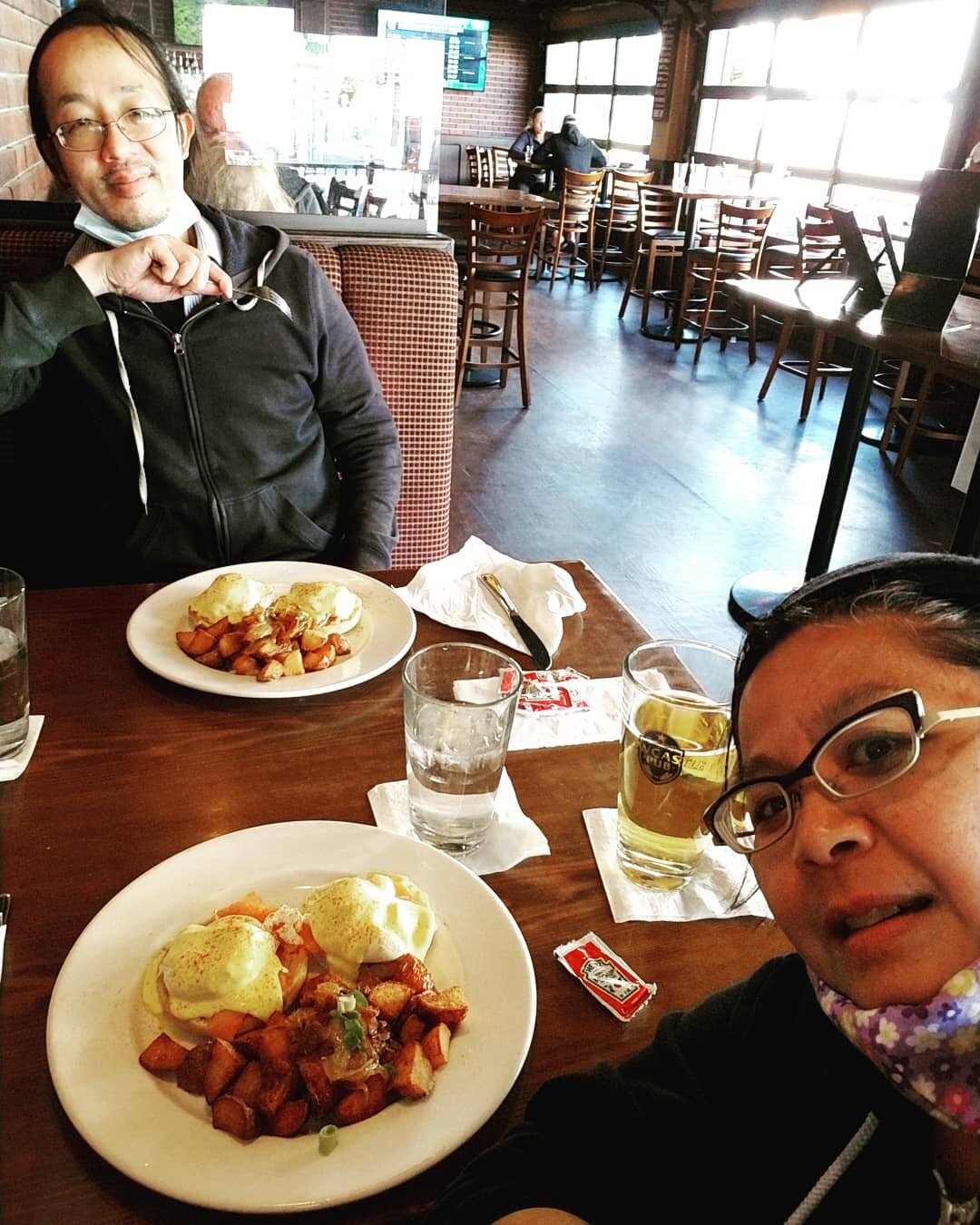
Reward yourself once you complete the challenge! Here’s my victory dinner:


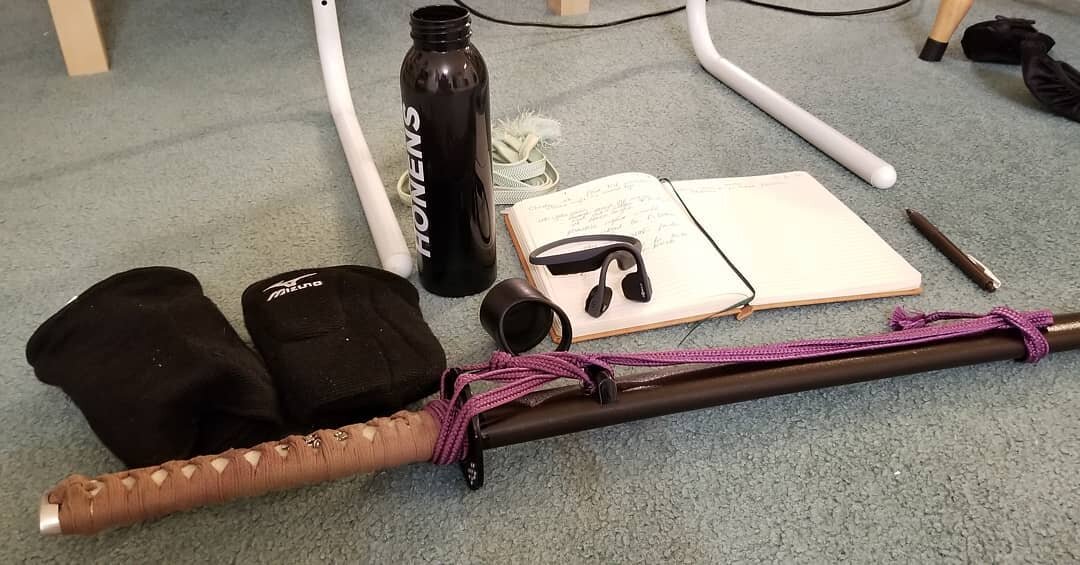
I’m actually planning on taking the challenge with my budo practice as well. Although I’m not grading this year, I have over 120 kata and techniques that I’m trying to keep straight in my head and lock securely into muscle memory. Not sure if I’ll start that tomorrow as well.
You can check out what Hilary Hahn, the originator of the challenge did for hers. Here’s her interview for Strings Magazine and her Instagram. You can also follow other artists and athletes on Instagram by following one of the aforementioned hashtags.
If 100 days seems too daunting, you could start with a smaller number, such as 30 or 60 days.
If you do participate, let me know so we can keep in touch and cheer each other on.
January 22, 2019 update
I forgot to share my challenge parameters for the budo portion of my #100daysofpracticechallenge. They are:
Study/train for 100 consecutive days (at the dojo or at home), unless I am too sick. For each healthy day that I skip, I must restart the count.
No time limit. Focus on quality, mindful practice versus quantity.
All disciplines that I study (Iaido, Jodo, Hyoho Niten Ichi Ryu, and Choken Battojutsu Kagéryu). Kata, kihon, waza, and other related drills.
Studying the training manuals, notes, photos and training related videos count.
Martial arts demonstrations count (they are usually on less than ideal conditions, so as sensei says, “Epic training conditions!”).
Keep a daily log.
Reward: Dinner most likely at a Japanese restaurant. Japanese martial arts, after all.
Using Music Practice Plans
The bottom line is that it’s not how much time you practise on your instrument for, but how you manage your practice time, and how often. You can save a lot of time in the long run if you have a practice plan and goals, and if you have ideas on how to reach them.

It seems like my junior and senior high school students are becoming busier and busier. Last month, I dedicated an entire week to developing and experimenting with various practice plans for my students, depending upon their learning style and their schedule. These are two practice plans that my students and I developed to help them practice more efficiently:
Practice Plan #1: Rotating Practice Plans
Some students needed the more visually appealling list, while others were fine with a scribbled down list. The gist is that you divide your music assignment list into three different practice plans.
This is Emily's practice plan from last month:
Here is Claire's practice plan from last month:
This is a trick I learned at university: pair up a more difficult piece (or assignment) with an easier one. If you lump all the “not-so-fun” tasks into one day, that makes for a not-so-enjoyable and therefore, “I’m-not-going-to-practise-very-well” kind of day.
Most of my students alternate between Plans A and B. Plan C is usually is the “I don’t have a lot of time” list.
Practice Plan #2: Practice Ideas Based on How Much Time You Have
This is meant to show students that you can have an extremely productive and focussed practice in under five-minutes. You simply adjust your Practice Plan based on the amount of time you have.
This is Wendy's practice plan from last month:
Note that that these are presented as "practice ideas". This particular group wanted the freedom to pick and choose what they were going to work on, choosing from this list:
My students and I have timed how quickly they can fix a trouble spot using some of the drills and drill combos from Maestro's Music Tricks, a gamer-inspired practice aid that they inspired me to create. The average seems to be three minutes, but some have been able to fix a trouble spot in under two.
The bottom line is that it’s not how much time you practise on your instrument for, but how you manage your practice time, and how often. You can save a lot of time in the long run if you have a practice plan and goals, and if you have ideas on how to reach them.
Using Practicing Personalities in Music Lessons
This summer, I bought Practice Personalities: What's Your Type? by Thornton Cline in the hopes of gaining new information to help my music students practice more efficiently.


When I was at the CFMTA Convention this summer, I spied Practice Personalities: What's Your Type? by Thornton Cline in Long & McQuade's trade show booth. The idea of determining students' practice type and working with that sounded intriguing.
About Practice Personalities: What's Your Type?
Mr. Cline identifies nine practice personalities:
The Perfectionistic Type Student
The Not-So-Detailed Type Student
The Unmotivated Type Student
The Fragile, Easily Discouraged Type of Student
The Overscheduled Way-Too-Busy Type of Student
The Dramatic Type of Student
The Exucse Making, Blaming Type Student
The Over-Exhuberant, Highly Confident Type of Student
Build Your Own Personatily Type of Student
Cline introduces each type before going into more detail for each practice type. Next, he gives a brief (too brief!) chapter with some teaching suggestions for each type. Interspersed throughout the book are interviews with a variety of music educators.
He also dedicates a chapter to motivational rewards and prizes. There is even a chapter on motivational games. Finally, there is a CD in the back, which outlines some of the practice strategies Cline recommends. The back of the book has a handy assessment chart for music teachers to use.
Music Teaching with Practice Personalities
I actually didn't need a full month to complete my assessment. All of my students are a combination of two or more types. To help keep me organized my teaching approaches, I've kept track of how many students are in each group:
The Perfectionist Type Student: 36%
The Not-So-Detailed Type Student: 52%
The Unmotivated Type Student: 24%
The Fragile, Easily Discouraged Type of Student: 24%
The Overscheduled Way-Too-Busy Type of Student: 40%
The Dramatic Type of Student: 20%
The Exucse Making, Blaming Type Student: 16%
The Over-Exhuberant, Highly Confident Type of Student: 20%
I decided to tackle one strategy at a time.
First off: showing students various practice drills to help them fix trouble spots more quickly. To do that, I simply asked my students to pull out their Bag of Tricks and have them choose a couple of appropriate drills to use from their deck, based on what needed to be fixed.
Many of my students have commented that it's fun to pull out their Bag of Tricks that I made for them. I spent the first two to three weeks doing that just to help reinforce how to practice, but also to appeal to everyone's state of busy-ness. "You want to fix this as quickly as you can so you can move onto other stuff, right?" I'd ask.
With the majority of my students being some combination of the Not-So-Detailed, I decided to increase the frequency of doing Record & Review. You can read about that experience in my post on Active Listening.
This week, I'm employing another technique that's good for several practice types, but especially for the Dramatic and the Not-So-Detailed: roleplaying with a bit of dramatic exaggeration thrown in. This tests my aural memory, let me tell you!
I try to play back what they played incorrectly and ask them to tell me what I did wrong. A few students get it right away, "You didn't hold that note long enough," or "You sped up in that line." My reply is, "Well, that's what I heard you do. Now you show me that you can play it better than me."
The other thing I've launched this week is a Sight-Reading Challenge (more on that later). In addition to increasing my students' music literacy, it's also an exercise to challenge my Perfectionist students.
I'll give my students some time to get get used to these approaches. Then, I'll tackle the Excuse-Making and Blaming Students Fragile, Easily Discouraged ones.
It's a neat book. Mr. Cline is a strong writer and the CD is useful.
However, I was disappointed with how few strategies he offered. Let me re-phrase that: I was disappointed in how little new information I gleaned from it. The majority of the strategies are ones that I've already employed.
In short, I'd say that Practice Personalities: What's Your Type? is ideal for a music teacher just starting out. It would also be good for a teacher just looking for some fresh ideas, especially if they don't already use technology in the studio.
Mr. Cline's suggestions simply reinforced for me some of the strategies that I'm already using in my teaching. The main difference is that now that I know which practice type my students are, I can switch strategies more quickly. When combined with knowing my students' VARK learning preferences, it's a powerful combination.
Practice Personalities Publication Details
Author: Thornton Cline
Title: Practice Personalities: What's Your Type
Paperback: 88 pages
Publisher: Centerstream
Publication Date: July 1, 2012
ISBN-10: 1574242814
ISBN-13: 978-1574242812
Price Range: $16.62 - $27.95 CAD
I purchased my copy from Long & McQuade. You may need to special order this book through your local bookstore. Practice Personalies: What's Your Type? is also available online on Amazon, Alibris and Sheetmusicplus.
Social Media Links
archives
- #YYCArts 32
- #YYCEvents 39
- Collaborative Music 25
- Community 11
- Composing & Arranging 6
- Entertainment 139
- Entrepreneurship 53
- Freebies 3
- Gardening 1
- Geeking Out 65
- Health & Wellness 120
- Improvisation 25
- Interviews 28
- Learning Music 188
- Martial Arts 13
- Memorization 7
- Music 230
- Music Careers 9
- Music Education 196
- Music Examinations 7
- Music Exploration 55
- Music Gigs 14
- Music Lessons 6
- Music Performance 32
- Music Theory 13
- Musical Instruments 12
- Musician Health 19
- Pets 57
- Piano Technique 12
- Practicing Music 120
- Productivity 20
- Professional Development 11
- Recommendations & Reviews 93
- Recreation 71
- Social Media 6
- Spirituality 10
- Studio Management 33
- Studio Technology 50
- Teaching Music 146
FOLLOW THE STUDIO on Instagram

Affiliate Links
As a Sheetmusicplus and CD Japan affiliate, I earn from qualifying purchases. The earnings help fund the Studio’s blog and YouTube channels. Your support is greatly appreciated.


FOLLOW Budo no Tabi on Instagram