THE MUSICAL MUSE
Blog dedicated to music education, practice tips, health
&
wellness, and geeking out.

Reflecting on My First 100 Days of Practice Challenge
Last Thursday, I completed my first 100 Days of Practice Challenge. As I went straight into it after my 30 day challenge, I had practised for 130 consecutive days.
Was it hard? Yes and no. There were definitely days in which it was 11:30 at night and I hadn’t gotten to any practising because of other commitments. There were days when I could only do a short practice. But once I made the commitment to my students and online, I felt honour-bound to see it through.
Did I make any life-changing discoveries? Nope. If you do something regularly, you’re going to see some improvement. There are countless studies on that.
If anything, this challenge was an opportunity for me to get back in touch with the way I used to practice at university and whilst preparing for my ARCT in Piano Performance. Here are a few things that stood out as I look back on this challenge…
Doing something every day for 100 days seems like a really long time. At least, it did back in the fall when my piano students and I embarked on our practice challenges.
Most of them wrapped up their 60 Days of Practice Challenge around Christmas Break, so they are in the early stages of their 100 Days of Practice Challenge. I’ll share some of their thoughts once all the surveys have been turned in.
Last Thursday, I completed my first 100 Days of Practice Challenge. As I went straight into it after my 30 day challenge, I had practised for 130 consecutive days. I don’t think I have ever practised 130 days straight as a student.
Was it hard? Yes and no. There were definitely days in which it was 11:30 at night and I hadn’t gotten to any practising because of other commitments. There were days when I could only do a short practice. But once I made the commitment to my students and online, I felt honour-bound to see it through.
Did I make any life-changing discoveries? Nope. If you do something regularly, you’re going to see some improvement. But I knew that going in. There are countless studies on that.
If anything, this challenge was an opportunity for me to get back in touch with the way I used to practice at university and whilst preparing for my ARCT in Piano Performance. Here are a few things that stood out as I look back on this challenge:
Goalsetting is Important
The only goal I had going into this 100 day challenge was to show my students (as well as any aspiring musician) what practising is like. Yes, practising can be difficult. Yes, it can be unglamorous. However, with hard work and perseverance, you can attain those victory moments. The practice clips I shared on the studio Instagram page reflected this. The majority of them featured me drilling trouble spots in my students’ repertoire as well as my own. It also featured me racing from the moment I got the song list to prepare for church the following day.
It may have seemed like a hodgepodge, unlike the other #100daysofpractice musicians who were sharing the development of their audition or recital repertoire. However, I think the clips gave a good representation of what we as music teachers and those who perform work through in a day.
To help keep me on track, I resurrected the Practice Journal. My daily practice tracker was fine for giving me a bird’s eye view over a month. The journal gave a much clearer insight on what exactly I worked on. More importantly, it showed how each session went and what needs more work. It was nice to just whip out my journal and share an insight with a student that I had with one of their pieces.


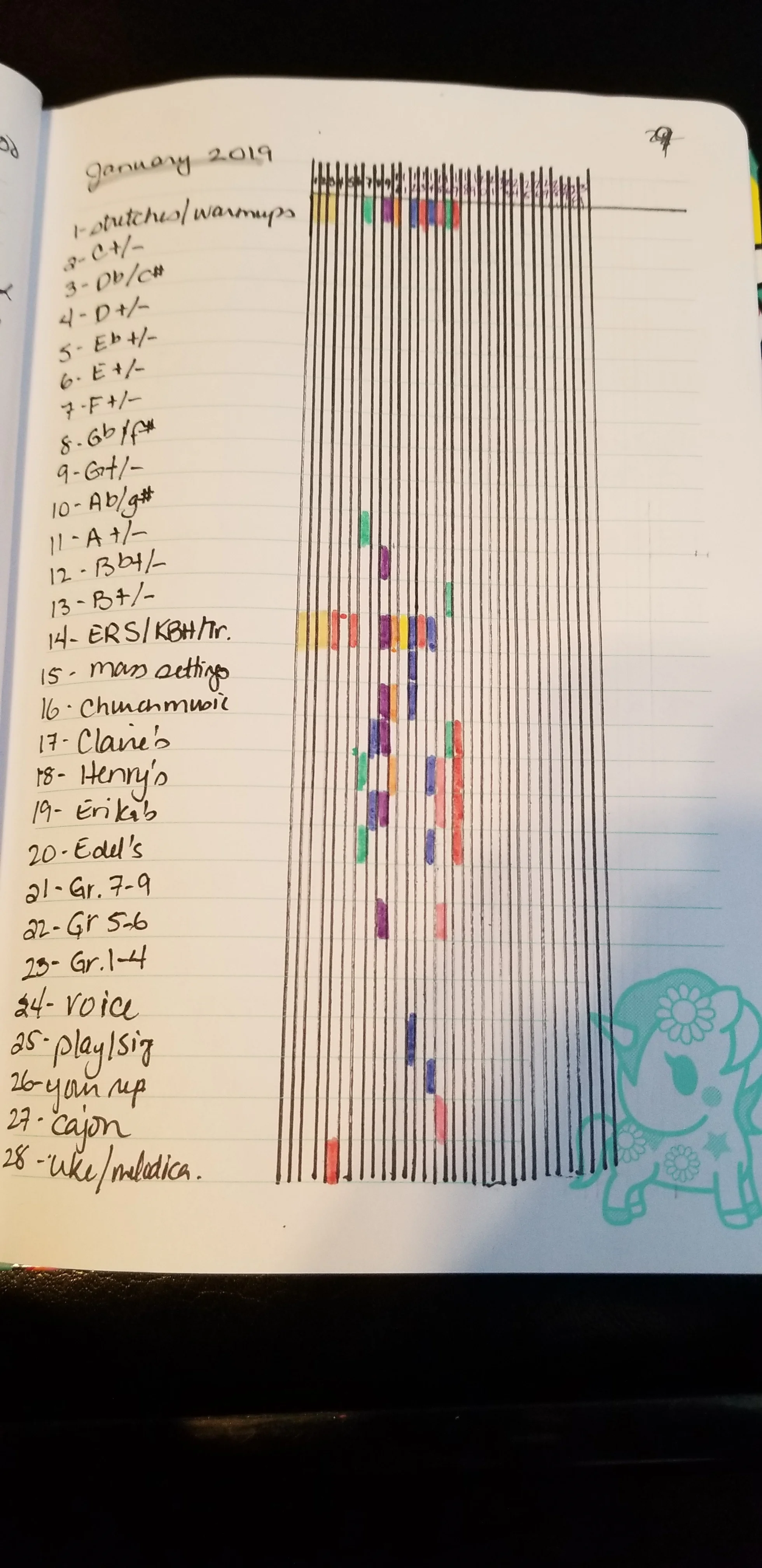
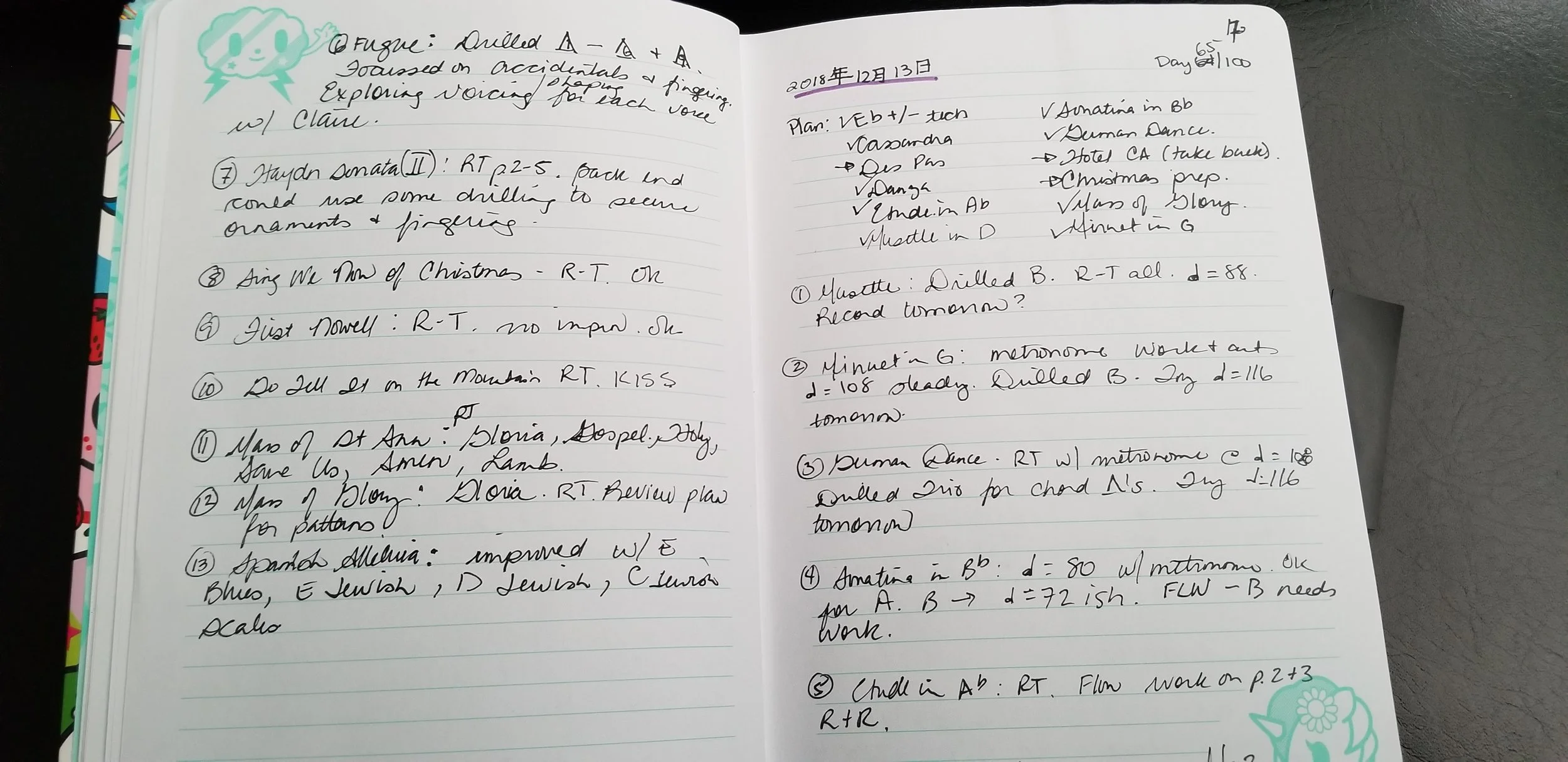

At the end of most practices, I sketched out a practice plan for the following day. This worked extremely well as the plan and my practice tracker showed that I cycled through my students’ repertoire (Grade 3 - 10) and piano technique quite regularly.
I must admit that in the past few years, my practising consisted of occasionally running through my students’ trouble spots but mainly focussed on racing to get songs ready for church as soon as I got the list for the next day. I did listen to my intermediate and advanced students’ repertoire regularly, however, thanks to my YouTube playlist. Needless to say, my practice frequency wasn’t as regular as it could have been.
Reviewing Your Practices is Important
Often, we go through the motions of a task without much conscious thought, be it exercise, a musical instrument, writing, photography, dance, and so on. If we want to improve however, we need to improve our self-evaluation skills. Effective practice is mindful practice. That means asking yourself if a section getting better? If not, why not? What else can you do to get it? Who can you ask for help if you are stuck?
I used to record my practice sessions fairly regularly during my university days and when I was preparing for my ARCT. Then, I fell off the “Record & Review” wagon hard, although I told my students they should be doing it.
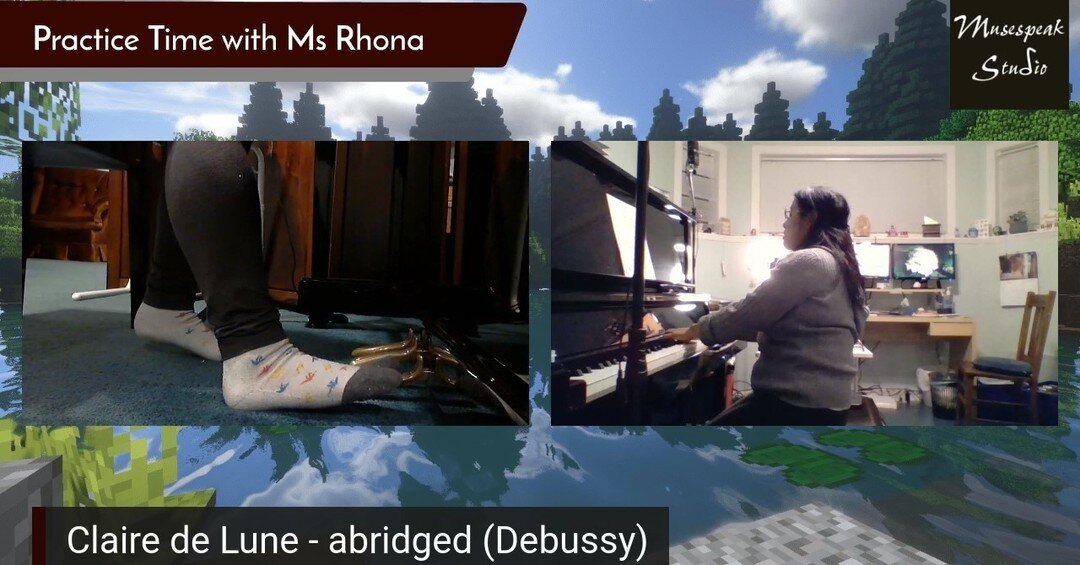
With my public practice log being the studio’s Instagram account, I had no choice but to record photos and/or video of my practices - and to review them. I actually wound up letting the clips play while I was folding laundry or washing dishes, which helped me plan out future practices and lessons with my students.
Flexibility in your Practising is Important
Having practice goals and a plan is all well and good, but what if you just had a crappy day? This was the precise reason why I didn’t specify a practice time length for my students or myself. Quality over quantity.
On the days I was completely drained, mentally or physically (sometimes both), or when I had to work longer than anticipated, I needed a “light practice” plan. For me, that included everything from “playing” with music ed apps, scorestudying (with our without the piece playing in the background), reviewing practice clips, or rhythm work. One night, I was so tired from a long week of teaching and ushering that I fell asleep in the middle of an ear training drill on the Perfect Ear app.
Someone asked me recently how long my daily practices were. They ranged anywhere between two minutes to over three hours.
My 100 Days of Practice Log
For ease, I’ve compiled links to each of my 100 days below, for those who want to check out the clips. If not, scroll down to see what’s the next practice challenge:
Day 1: Mass of Glory | Day 2: Mass of Glory | Day 3: Come Now is the Time to Worship | Day 4: Spanish Alleluia | Day 5: Morning Prayer | Day 6: Pirates of the Caribbean | Day 7: Nocturne in e minor, op. 72 no. 1 | Day 8: Oath Sign | Day 9: Etude in A-flat Major, op. 30, no. 19 | Day 10: Oath Sign | Day 11: Someone to Lava | Day 12: Perfect Ear app drills | Day 13: Pirates of the Caribbean | Day 14: Game of Thrones Medley | Day 15: Danza de la moza donosa | Day 16: Oath Sign | Day 17: Oath Sign | Day 18: Basic cajón exercise | Day 19: Game of Thrones Medley (tap practice) | Day 20: Prelude & Fugue in d minor, BWV 851
***
Day 21: Danza del viejo boyero | Day 22: Dance of the Aborigines | Day 23: Grade 10 RCM piano technical exercises | Day 24: Seven of Hearts | Day 25: Perfect Ear app drills | Day 26: Samba groove rhythm work | Day 27: Samba groove drill on cajón | Day 28: Danza del gaucho matrero | Day 29: Foggy Day Blues | Day 30: Nocturne in e minor, op. 72 no. 1 & Our God
***
Day 31: O Canada & Awesome God | Day 32: Choir practice photo | Day 33: Sight singing and Boomwhackers | Day 34: The Avengers | Day 35: Lied | Day 36: The Avengers & Lied | Day 37: La Puerta del Vino | Day 38: Ear training: singing intervals | Day 39: Ready the Way | Day 40: Scorestudy Sunday photo
Day 41: Pirates of the Caribbean & Sonata in g, Hob. XVI: 44 (1st mvt.) | Day 42: Mighty to Save | Day 43: French Suite No. 3 in B minor BWV 814 - Minuet and Trio & Mass of St. Ann | Day 44: The Avengers | Day 45: Child of the Poor/What Child is This? | Day 46: Funky scales & trying out the lyre | Day 47: Perfect Ear app drills | Day 48: Technical Exercises | Day 49: Prelude & Fugue in d minor, BWV 851 | Day 50: Be Unto Your Name
***
Day 51: Sing We Now of Christmas | Day 52: Danza del viejo boyero | Day 53: Mass of St. Ann | Day 54: Perfect Ear app drills | Day 55: Pirates of the Caribbean | Day 56: Prelude & Fugue in d, BWV 851 | Day 57: Nocturne in e minor, op. 72, no. 1 | Day 58: Days of Elijah Clip 1 & 2 | Day 59: Days of Elijah Clip 1 & 2 | Day 60: Choir Practice photo
***
Day 61: Perfect Ear app drills | Day 62: Sonatina in B-flat Major, op. 12, no. 5 & God Rest Ye Merry Gentlemen | Day 63: Child of the Poor/What Child is This? | Day 64: Nocturne in e minor, op. 72 no. 1 | Day 65: Cassandra’s Dream | Day 66: Sonata in D, K 33 L 424 & Fly Me to the Moon | Day 67: Go Tell it on the Mountain | Day 68: Perfect Ear app drills | Day 69: Pirates of the Caribbean & Ready the Way | Day 70: Sing We Now of Christmas & Mass of St. Ann
***
Day 71: III maj7 - VI maj7 - ii7 flat 5 - v7 - i7 progression | Day 72: Days of Elijah | Day 73: Gentle Waltz | Day 74: Joy to the World | Day 75: Holy is His Name | Day 76: O Come all Ye Faithful | Day 77: Choir practice photo | Day 78: The Most Amazing Sheep Game | Day 79: The Most Amazing Sheep Game | Day 80: Child of the Poor/What Child is This?
***
Day 81: Let Heaven Rejoice | Day 82: The Most Amazing Sheep Game | Day 83: Note Rush app | Day 84: Perfect Ear app | Day 85: Perfect Ear app | Day 86: Perfect Ear app | Day 87: Arpeggii practice | Day 88: Tetria A Theme | Day 89: Perfect Ear app | Day 90: Pirates of the Caribbean
***
Day 91: Seven of Hearts | Day 92: Nocturne in e minor, op. 72 no. 1 | Day 93: Game of Thrones Medley | Day 94: Perfect Ear app | Day 95: Choir practice photo | Day 96: Perfect Ear app | Day 97: La puerta del vino | Day 98: Hotel California | Day 99: Prelude and Fugue in d, BWV 851 | Day 100: Gentle Waltz, Seven of Hearts, Nocturne in e, op. 72 no. 1 & Pirates of the Caribbean
#100DaysofPractice Round 2
After taking several days off, I’m going to restart the challenge tomorrow. Part of me wants to start tonight, because I did feel a little lost on my days off, but there are some studio administrative tasks I need to take care of first.
I do have a different set of goals for this round. Although I will continue to practice my students’ repertoire and pieces for church, I’ve decided that I’ll focus the public practice log on three pieces, for the most part. That way, I can at least achieve my goal of building up my own repertoire.
I’ve chosen something old, something new, and something for all my non-primary instruments. This will also give you and me the opportunity to hear how these pieces develop over the course of 100 days. The pieces I have selected are:
1 - Danza del gaucho matrero (Alberto Ginastera)
When I first learned Ginastera’s Danzas Argentinas for my ARCT programme, it took me one day to learn Danza del viejo boyero ("Dance of the Old Herdsman") and two days to learn Danza de la moza donosa ("Dance of the Beautiful Maiden"). This one, the third dance, took me over two months to learn and then at least another two to bring up to speed. Since I’ve already relearned the first two earlier this school year, it’s time to finish the set.
2 - Papillons, op. 2 (Robert Schumann)
When Irina Ginzburg, one of my most influential teachers, passed away, I inherited her score of Papillons. I dutifully kept it in my music library - untouched - till now. I can’t help but wonder whether there is a lesson in this work that Mrs. G would like me to learn.
3 - Somewhere Over the Rainbow (Israel Kamakawiwoʻole’s version)
What better way to ensure that my non-primary instruments get regular practice than by choosing a song and learning it on all of them? I am thinking of doing a virtual ensemble performance on voice, ukulele, melodica, and cajón.
Join the #100daysofpractice Challenge!
Whether you are a musician or photographer, writer or athlete, consider taking the 100 Days of Practice Challenge. You may start the challenge at any time and set up your parameters anyhow you wish. As a guide, here’s what I set for my first round:
Practice for 100 consecutive days, unless I was too sick. Restart the count if any healthy days are missed.
No time limit. Focus on quality, mindful practice versus quantity.
All instruments counted (piano, voice, cajón, melodica, ukulele, playing & singing, conducting).
Practice away from one’s instrument counted. That means: theory, tap practice, scorestudy, record and review, studying recordings, ear training apps, and my students’ fave: The Most Amazing Sheep Game.
Keep a daily log. After seeing what other musicians and music teachers did, I opted for sharing my posts on Instagram. If your log is online, don’t forget to use the #100daysofpractice and #100daysofpracticechallenge hashtags. Of course, it doesn’t need to be online, but I must say that I’ve enjoyed interacting with others who have been doing the challenge.
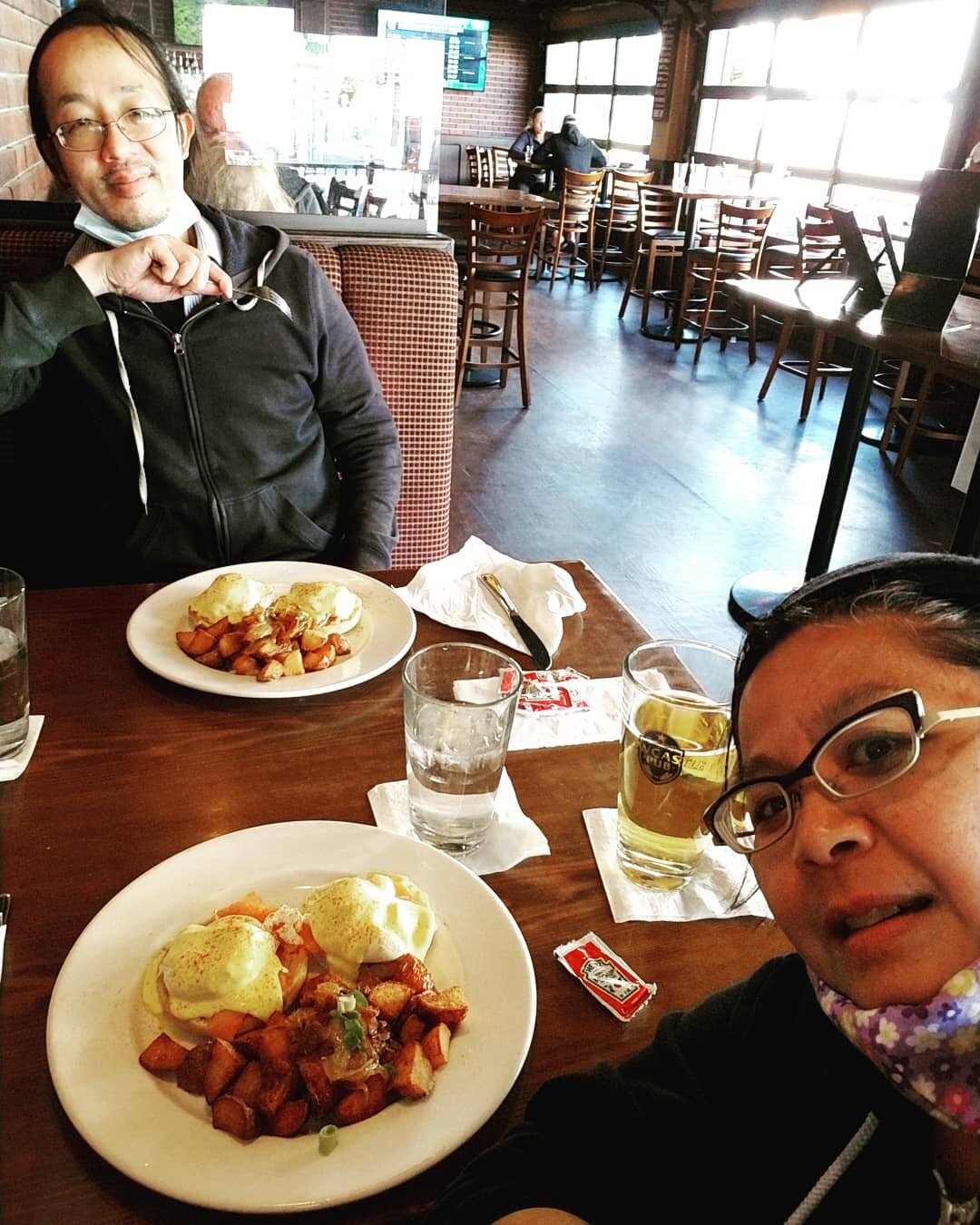
Reward yourself once you complete the challenge! Here’s my victory dinner:


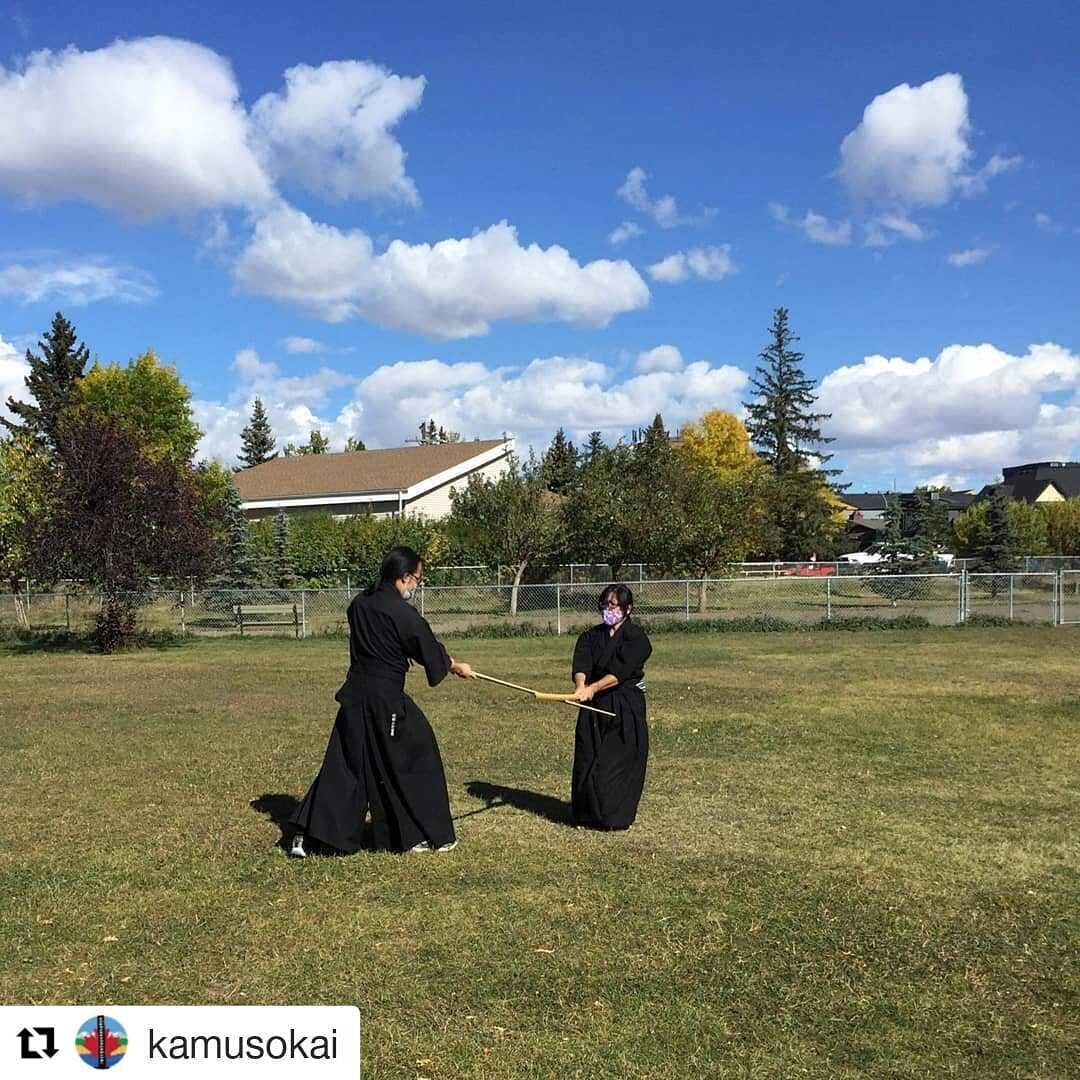
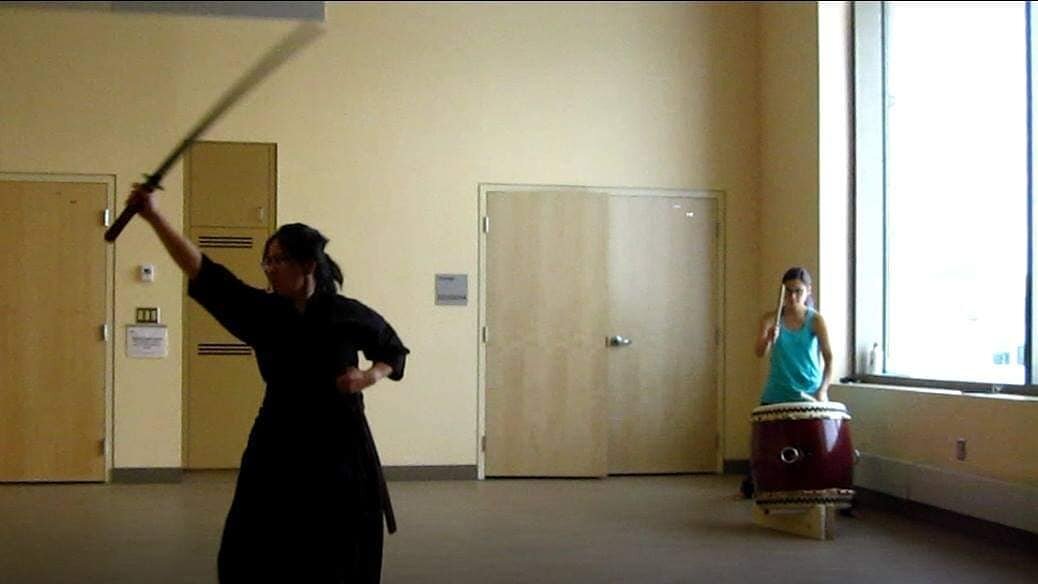
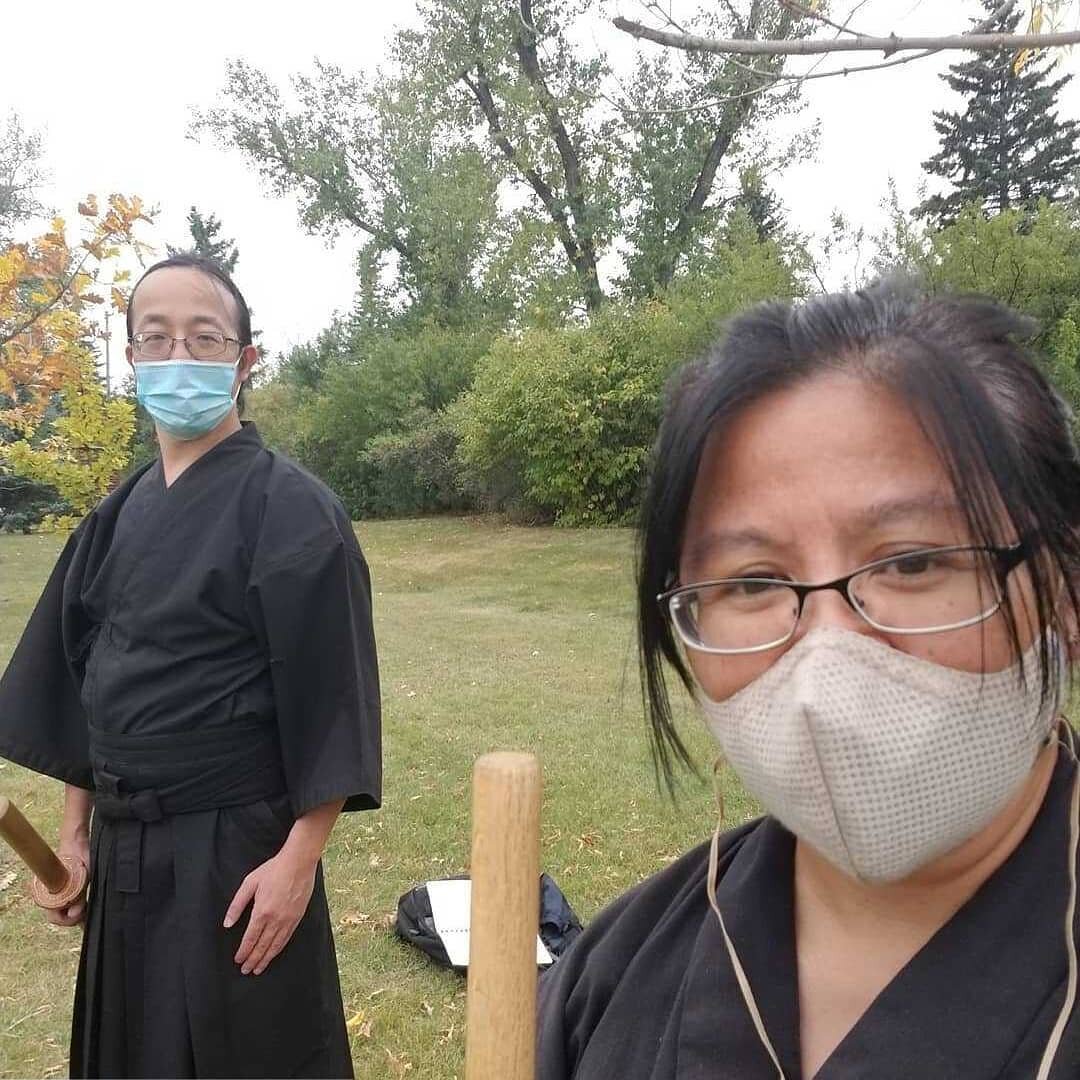
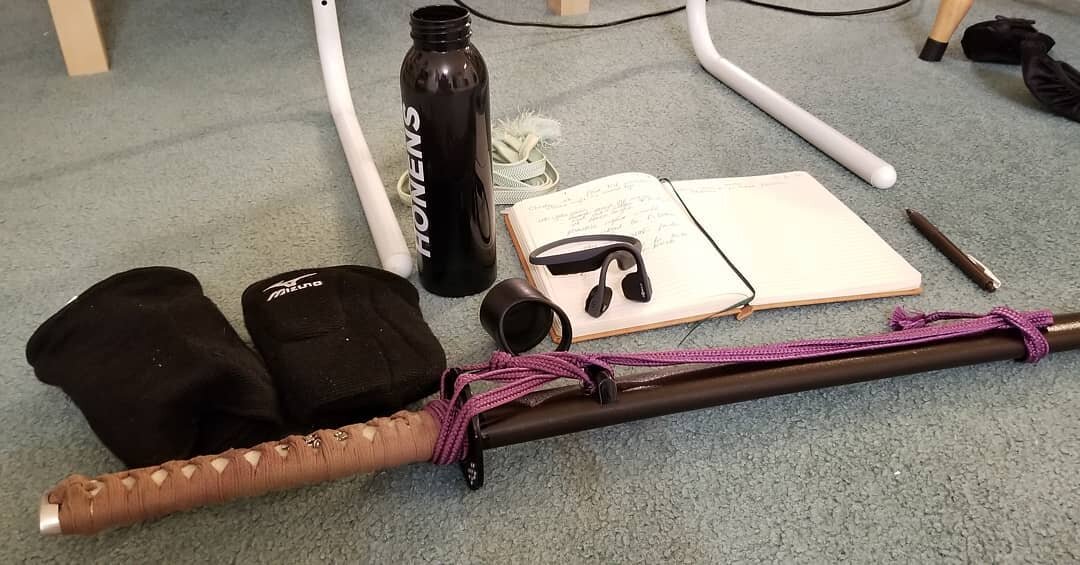
I’m actually planning on taking the challenge with my budo practice as well. Although I’m not grading this year, I have over 120 kata and techniques that I’m trying to keep straight in my head and lock securely into muscle memory. Not sure if I’ll start that tomorrow as well.
You can check out what Hilary Hahn, the originator of the challenge did for hers. Here’s her interview for Strings Magazine and her Instagram. You can also follow other artists and athletes on Instagram by following one of the aforementioned hashtags.
If 100 days seems too daunting, you could start with a smaller number, such as 30 or 60 days.
If you do participate, let me know so we can keep in touch and cheer each other on.
January 22, 2019 update
I forgot to share my challenge parameters for the budo portion of my #100daysofpracticechallenge. They are:
Study/train for 100 consecutive days (at the dojo or at home), unless I am too sick. For each healthy day that I skip, I must restart the count.
No time limit. Focus on quality, mindful practice versus quantity.
All disciplines that I study (Iaido, Jodo, Hyoho Niten Ichi Ryu, and Choken Battojutsu Kagéryu). Kata, kihon, waza, and other related drills.
Studying the training manuals, notes, photos and training related videos count.
Martial arts demonstrations count (they are usually on less than ideal conditions, so as sensei says, “Epic training conditions!”).
Keep a daily log.
Reward: Dinner most likely at a Japanese restaurant. Japanese martial arts, after all.

On Becoming a Bulletproof Musician
The theme at last week’s group classes was becoming a bulletproof musician. The idea has been percolating in my mind ever since I discovered Dr. Noa Kageyama’s blog on performance anxiety and mindful practice, called The Bulletproof Musician.
The theme at last week’s group classes was becoming a bulletproof musician. The idea has been percolating in my mind ever since I discovered Dr. Noa Kageyama’s blog on performance anxiety and mindful practice, called The Bulletproof Musician.
Naming Our Fears
“Named must your fear be before banish it you can.” ~ Jedi Master Yoda
Each class had a different set of fears. I compiled everything that gives them performance anxiety below:
Everyone is watching
Making a mistake and everyone knowing it
Family teasing after making a mistake
Another student (known for giggling)
Messing up
Getting stuck
Stumbling and not being able to continue
Forgetting the music
Losing control
Not being ready (or able) to perform
People crowding too close to the piano
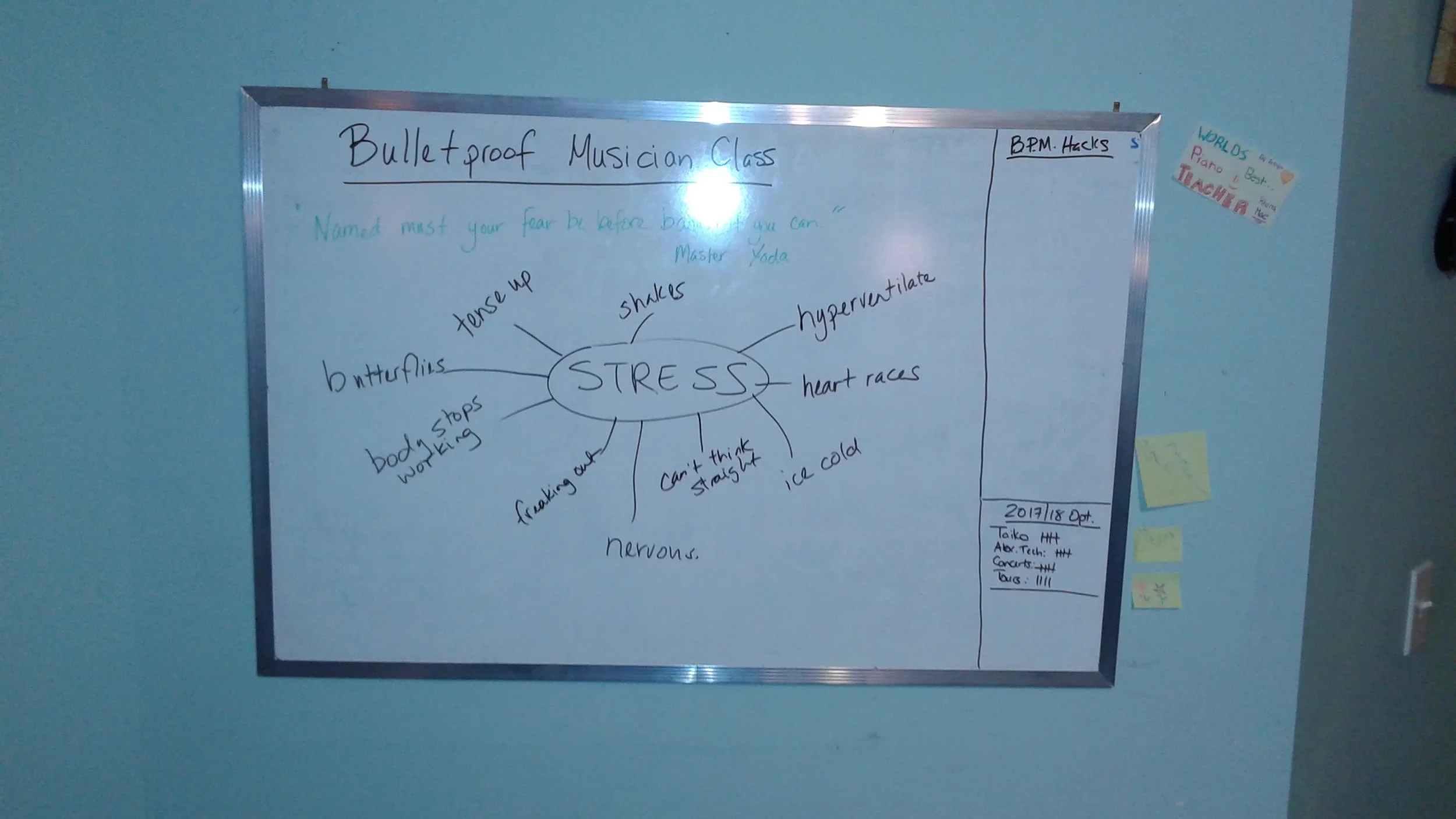
Most people share the same reactions when the body is under stress. Credit: Rhona-Mae Arca.
We discussed how our body reacts to performing under pressure or stress. To generate a paradigm shift, I showed my students this video by author and motivational speaker, Simon Sinek on performing under pressure:
It really comes down to convincing ourselves that yes, we really can do this. With a few practising and performing hacks, we can train ourselves to rush forwards to the stage with excitement rather than fear.
Creating the Ultimate Pre-Performance Routine
We all have our pre-performance routines. It could be lining up your pens, pencils, eraser, and ruler in a particular way before writing a test. Or wearing your lucky suit for a job interview. They’re little things, but they reduce our stage anxiety by helping us feel comfortable, grounded, and strong.
I read out professional tennis player Rafael Nadal’s 12-step pre-game routine. Most of my students giggled by the fifth (flicking the dirt of the hash mark with his left shoe). They were downright incredulous by the time I read out #10 (the order he wipes the sweat off his nose).
My students immediately poked holes in the routine: “What if both balls are fuzzy?...What if the ref tells him to hurry up?” I asked, “What if it’s raining?”
I then shared with them some of my pre-performance routines, starting with Mr. Buffalo. For most, it was the first time they heard about why there’s a photo of a buffalo sculpture above the piano.

Mr. Buffalo helped me ground myself before performing in master classes and recitals. Credit: Rhona-Mae Arca.
At my first piano lesson with Elinor Lawson at the University of Lethbridge, I was so nervous that I couldn’t focus. Elinor told me to take a deep breath, look out the window, and focus on a point. Standing stoically on the coulee, was the buffalo sculpture.
It got to the point where I either had to go outside before performing to commune with Mr. Buffalo, or just imagine him. Prior to my junior recital, one of my profs told me that I was too tightly strung up. He told me to go outside, scream, and shake it all out. That helped too.
Although I don’t need to do any of those stress busters these days, my photo of Mr. Buffalo just serves as that quick visual cue to ground myself. These days, my pre-performance routine includes: having a light practice the night before, eating one of my favourite meals for supper, doing something relaxing the night before, getting a good night’s sleep, picking out and testing a performing outfit that matches the mood of my piece(s) - and having a back-up, eating light prior to performing, stretching, and breathing exercises.
Then, it was their turn. Here are some of my student’s pre-performance ideas: jump, roll on grass, pack a lucky charm, sit in a sauna, swim, scorestudy, read a book, do something unrelated to the performance/test/presentation, keep your cool, sleep, watch TV, play video games, meditate, be at home and, be peaceful.
My students took a few minutes to come up with their own pre-performance routines and a mantra. Some notable mantras include:
Iz all gud.
I got this.
Nothing can stop me.
Calm down.
Play like you practiced!
I can do it.
What’s the worst that could happen?
Did I remember to turn off the stove?
Let’s go!
I am the captain of my own soul.
Let’s rock and roll!
Be aware of everything.
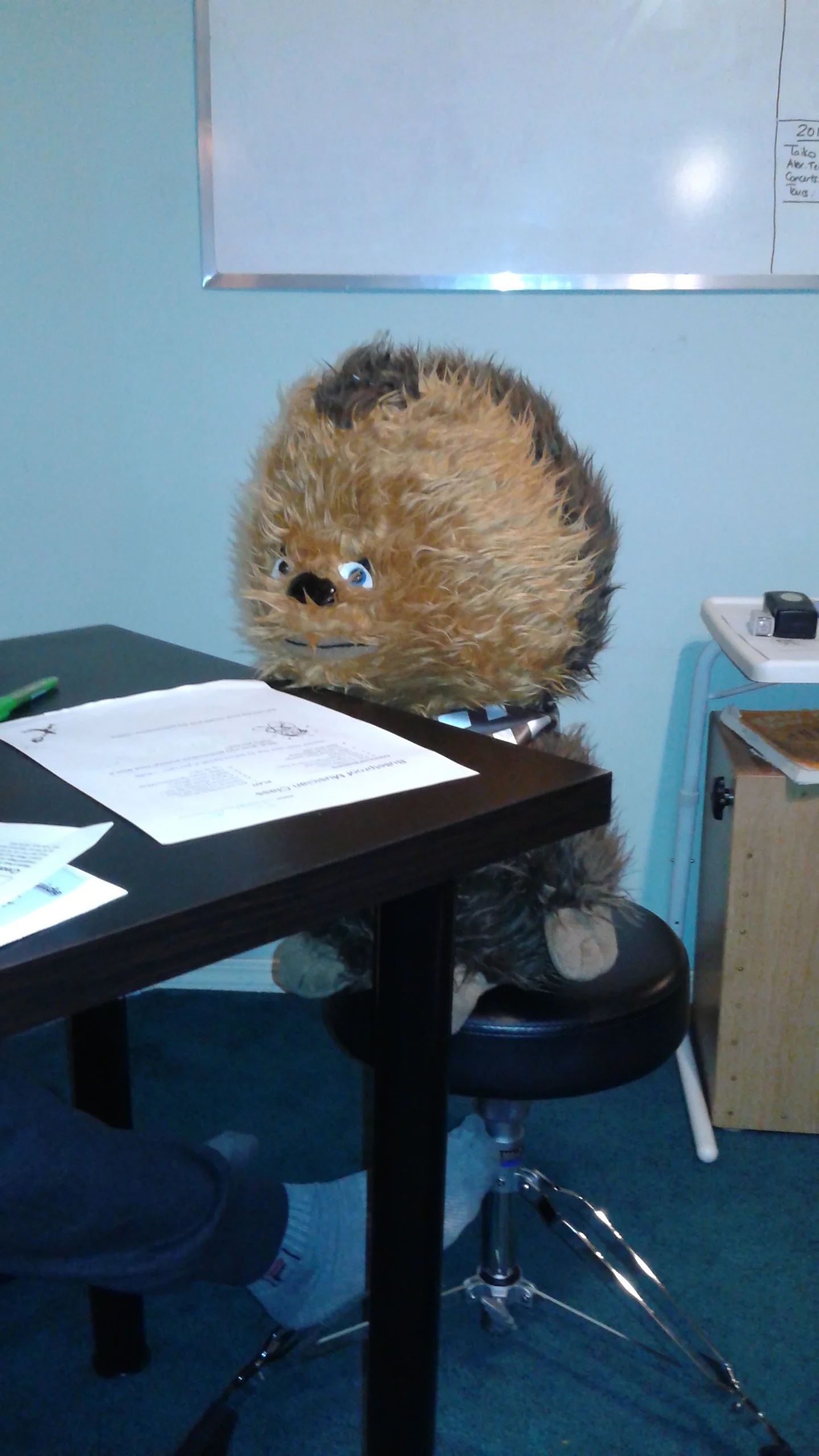
One of my younger students decided that Chewbacca had to participate in last week's group class. Credit: Rhona-Mae Arca.
Although some of my students are too young, I addressed the challenges of using drugs or alcohol to calm down nerves. Two teens looked at me, shocked. “But Miss Rhona! We’re not old enough.” I replied that I knew that, but that I also know that underage drinking does exist. There's always someone out there who just may try it.
Performance Savvyness
Next up, looking good on stage. We covered everything from showing up early enough to scope out the area and to find a place to relax. We discussed the pros and cons of being in the hall to hear the other students perform (depends upon the performance). Most importantly, we talked about owning the stage from the moment we get up from our seat until the moment we are off the stage, which covers: the walk, the bow, taking time to make adjustments (seat, music, bench), taking a few deep breaths, and approaching/leaving the keys in a way that matches the mood or character of your piece.
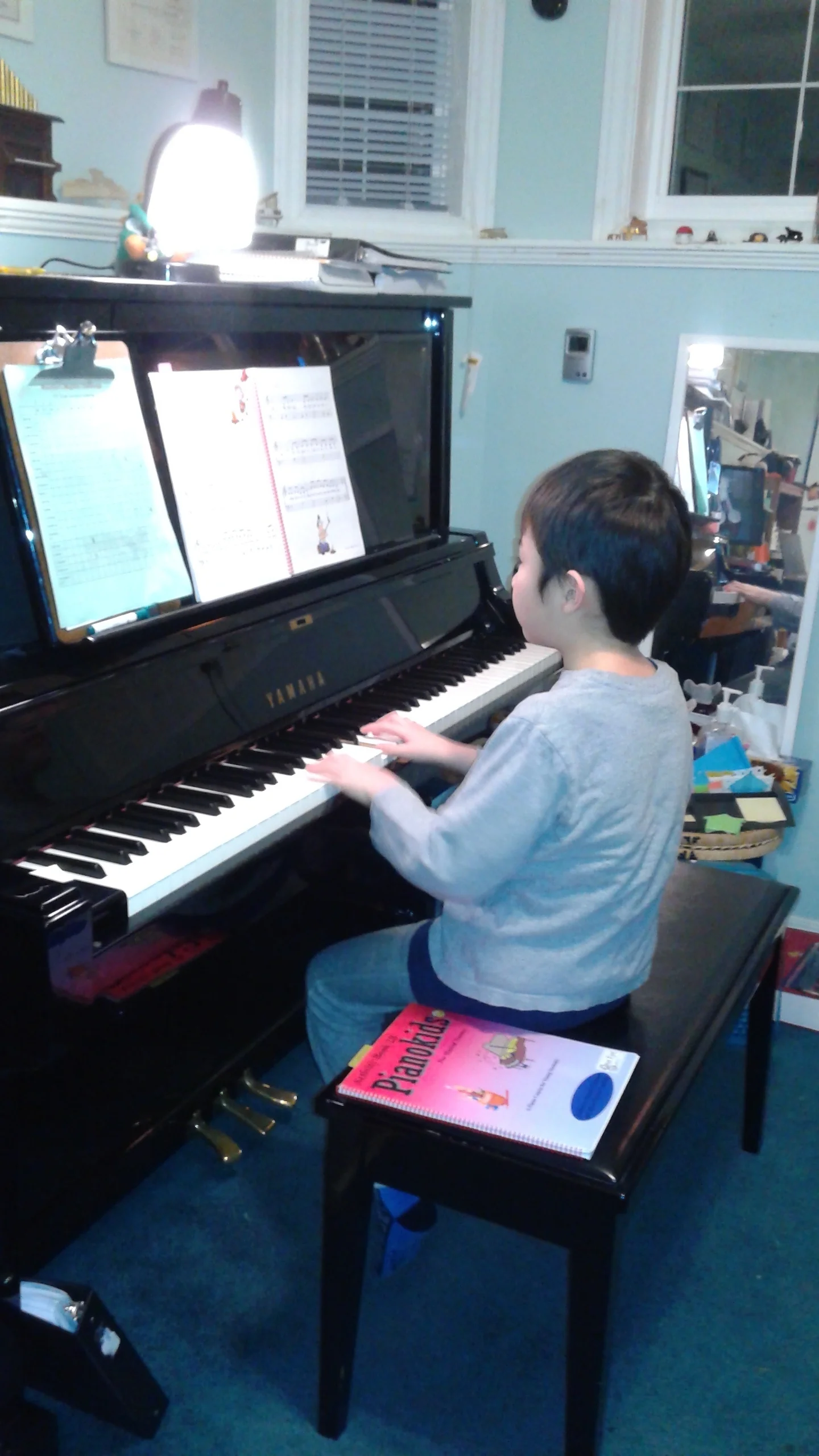
Telling a story through body language and sound. Credit: Rhona-Mae Arca.
Students came up, described their piece to the class and then played the opening. Their peers responded with how well their actions lined up with the piece. This turned out to be a fun exercise for all, trying to get the opening to look and sound epic or like little bunnies.
Exploring Practice & Performing Hacks
“The terror of performing never goes away. Instead, you get very, very comfortable being terrified.” ~ Eric Whitacre
We explored several performing hacks, which should alleviate some performance anxiety. One was an adrenaline drill. One student ran on the spot for approximately 40 seconds. Then, they had to quickly sit down and start playing. More often than not, the student had their hands in the wrong place. After taking a breath to clear their mind and recalling some of the performance savvyness aspects discussed earlier, they tried it again. Success.
Another performing hack we explored was a tempo drill. My students played a section of their piece at their desired tempo. Then, the others increased the metronome marking, bit by bit, while the one on the hot seat had to try playing at that tempo.
One student who has grappled with stage fright since day one, really connected with the visualization exercise. I asked her to engage all of her senses - imagine how the keys feel, how the room smells, what sound she wanted to create with her opening notes, etc. and then play.
In another class, a student shared this grounding exercise:
Think of:
Five things you can see,
Four things you can hear,
Three things you can feel or touch,
Two things you can smell, and
One thing you can taste.
One of the most popular exercises was the Roll the Dice Drill, which my students and I came up with when developing Maestro’s Music Tricks. As one student played, another would roll one of my polyhedral die and call out a bar number. The student on the hot seat had to quickly and smoothly transition to the new bar and carry on, not knowing when another student would call out another bar number.
Another popular exercise was the Play through Distractions Drill. Not only did that challenge the student performing to keep playing, but it challenged them to maintain his composure while the others flitted around, giggling and poking.
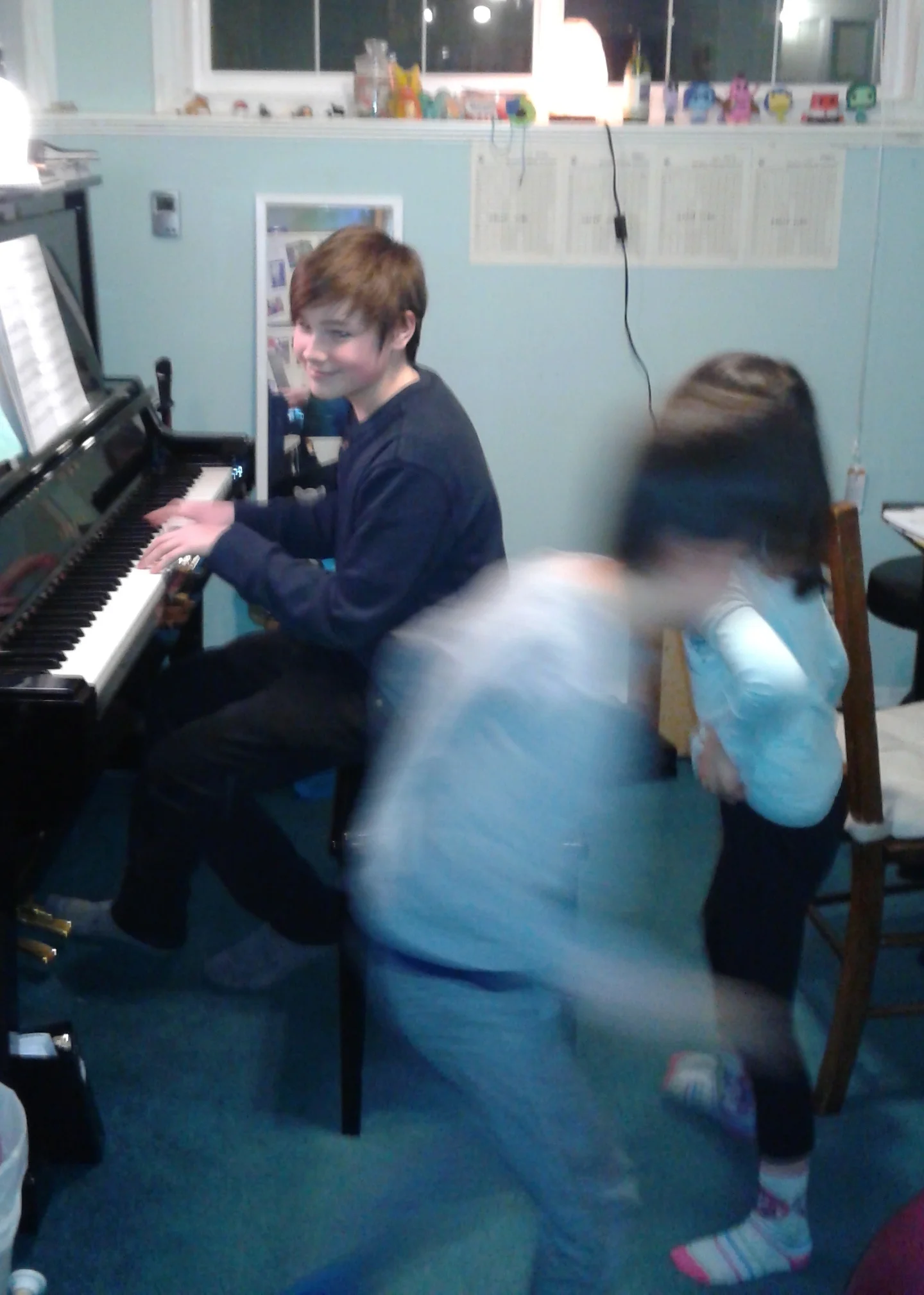
The Playing through Distractions Drill. Credit: Rhona-Mae Arca.
There were a couple of practice hacks that we quickly talked about, with the intent of working on it more in their piano lessons. One was studying the structure of their music, while the other was playing on a silent keyboard.
We wrapped up the class with my newest tabletop game, Cat Tower by IDW Games. It’s proving to be a popular game with my studio kids.
All in all, the kids found it a great class. It was comforting for my stage shy students to hear that they really aren’t alone with regards to performance anxiety. It was empowering to see them take charge and help each other level up their performance savvyness and bulletproof their music.
Now, if my students start performing a piece at the same speed as their on-stage heart rate, or someone’s phone rings in the middle of their piece, they should be able to “keep calm and carry on,” because they’ve prepared themselves for it through mindful practising, bulletproofing drills, and training their mind.
Turn Off the Autopilot When Practicing Music!
Now I know what my teacher meant when she kept reminding me to listen to what I was playing. If you aren't listening to the music you are creating, how do you know if it's any good? Learn more about mindfulness-based musicianship..
Sometimes, I stop my students in the middle of a phrase when something is going somewhat awry. I usually ask, "What happened there? What were you thinking about?"
More often than not, the response is something like, "I don't know" or "I wasn't thinking of anything." Then, when I ask "Did you hear what you did there?" I get "I wasn't listening" as a response.
I wrote that post-it love note to one student who usually answers, "I don't know. I just go on autopilot." I've told him that it's dangerous to not listen to what you're doing.
As musicians, we are creating sound pictures. If we aren't even paying attention to what we are creating, how do we even know if it's any good? Or whether we are getting any better?
Here some reading on Mindful Musicianship and Mindfulness-based Practice. Check out Ellen Langer's book "The Power of Mindful Learning" here:
Time Saving Technique Practice Idea
Are you stuck between studying for tests and logging in much needed time on practicing technique? Try this idea that came up during one of my lessons last week.
Are you stuck between studying for tests and logging in much needed time on practicing technique? Try this idea that came up during one of my lessons last week:
This student is working on his Grade 8 piano technique. Four octave scales - woohoo?
He played d harmonic minor for the first octave and d melodic minor for the second by accident. Then, I had him play D major for the first octave, d natural minor for the second octave...you get the idea.
Basically in one pass, you practice all the scales you need to know for a traditional music exam. However, to actually hear any improvement, you'll have to play it this way more than once. More than twice.
You can change things up of course. Try this on all the minors (natural, harmonic, melodic, jazz). Or be bold and try these on some of the jazz scales.
The bottom of the white board refers to an idea I think has already been mentioned. Play the ascending scale one way (e.g., major), and the descending scale another way (e.g. harmonic minor).
You have to be awake to do this kind of practice. Well really, we should be all striving for mindful practice anyway...right?
Music Practicing 101: Organized Practicing
On behalf of music students and music teachers everywhere, I'd like to send out a huge thank you to piano teacher Josh Wright. He put together these two videos about organized practice.One thing my students hear me say - a lot - is to figure out how much time they can dedicate to practicing for a particular day, set their practice goals for that session and determine how they will assess whether they've met their goals."Mindful practice" is also key to practice efficiency. Let's face it, if you're paying attention to what you're doing, you'll meet your goal a lot sooner than if you're just noodling around, waiting for that timer to go off.For those still trying to figure out how to set up music practice goals and how to organize their practice time, look no further:
Organized Practicing - Part 1
Organized Practicing - Part 2
Social Media Links
archives
- #YYCArts 32
- #YYCEvents 39
- Collaborative Music 25
- Community 11
- Composing & Arranging 6
- Entertainment 139
- Entrepreneurship 53
- Freebies 3
- Gardening 1
- Geeking Out 65
- Health & Wellness 120
- Improvisation 25
- Interviews 28
- Learning Music 188
- Martial Arts 13
- Memorization 7
- Music 230
- Music Careers 9
- Music Education 196
- Music Examinations 7
- Music Exploration 55
- Music Gigs 14
- Music Lessons 6
- Music Performance 32
- Music Theory 13
- Musical Instruments 12
- Musician Health 19
- Pets 57
- Piano Technique 12
- Practicing Music 120
- Productivity 20
- Professional Development 11
- Recommendations & Reviews 93
- Recreation 71
- Social Media 6
- Spirituality 10
- Studio Management 33
- Studio Technology 50
- Teaching Music 146
FOLLOW THE STUDIO on Instagram

Affiliate Links
As a Sheetmusicplus and CD Japan affiliate, I earn from qualifying purchases. The earnings help fund the Studio’s blog and YouTube channels. Your support is greatly appreciated.


FOLLOW Budo no Tabi on Instagram