THE MUSICAL MUSE
Blog dedicated to music education, practice tips, health
&
wellness, and geeking out.

Fostering Self-Assessment with Cross-Training
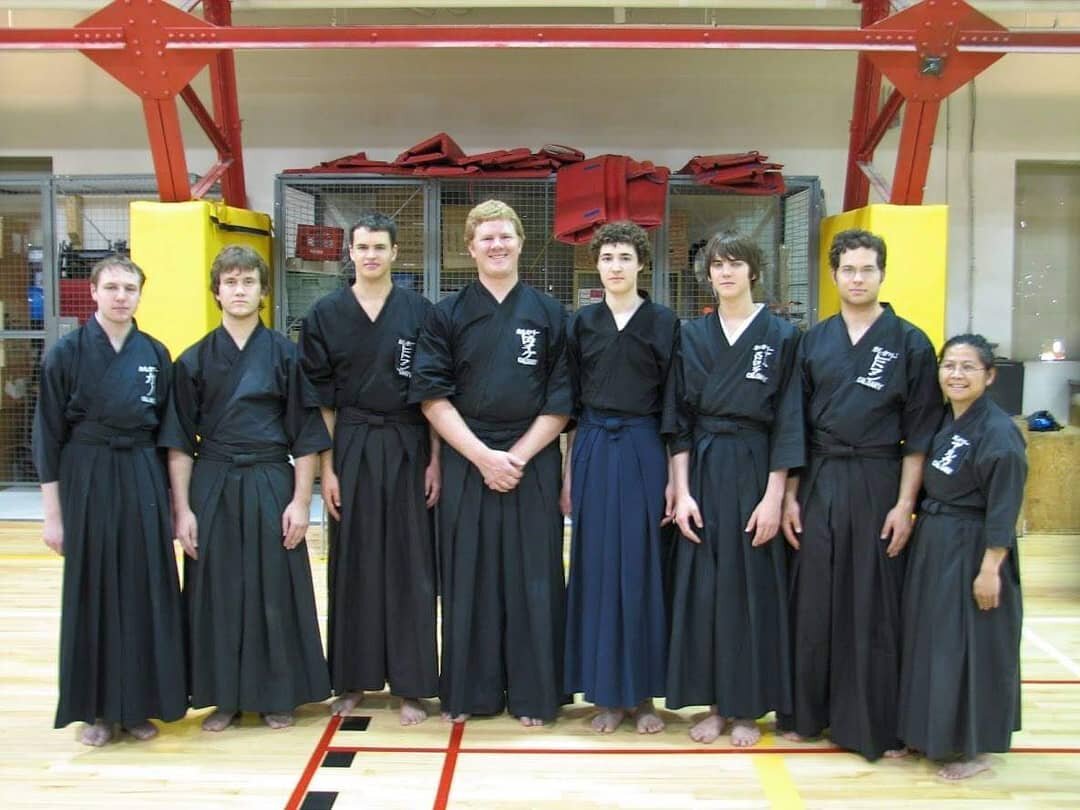
For someone who trains in four somewhat rare martial arts, the Zoominar was a priceless opportunity to work with some of the top instructors in Canada, to listen to one of the highest ranking instructors in the world from his home in England, and to meet practitioners from around the world.
The focus of all the sessions was to give attendees tools to take ownership of their physical distancing training. Immediately, I could see how these self-assessment tools and drills could be adapted to help music students do the same. Here are some of the tools and tips that my students and I have added into our practicing.
Originally published in the July 2020 edition of APTA News & Views.
One of the positives from the COVID-19 pandemic is that we are able to attend classes and seminars from the comfort of our own homes. On the May long weekend, I was able to participate in an international martial arts seminar that was hosted in Guelph, Ontario. For someone who trains in four somewhat rare martial arts, the Zoominar was a priceless opportunity to work with some of the top instructors in Canada, to listen to one of the highest ranking instructors in the world from his home in England, and to meet practitioners from around the world.
The focus of all the sessions was to give attendees tools to take ownership of their physical distancing training. Immediately, I could see how these self-assessment tools and drills could be adapted to help music students do the same. Here are some of the tools and tips that my students and I have added into our practicing.
Galligan Sensei’s Quadrants
Carole Galligan sensei is the highest ranking female in Canada for Iaido, the art of cutting from the sword draw. With her preparing for her 7th degree black belt grading, she shared how she was continuing to train without the benefit of being in the same room as her sensei. Like music teachers, sensei normally physically adjust arms, hands and body position or demonstrate concepts via partner work.
She held up this diagram while saying that each of our techniques contain these elements. Then she led us through various exercises to identify our dominant quadrant. Our weakest quadrant lays kitty-corner to it.

Galligan sensei holds up her quadrants for us to work through during the 2020 Guelph Seminar.
In discussion with my students, this is how we adapted sensei’s quadrants for music:

My teen and adult students have set out to identify their overall dominant quadrant, as well as their dominant for each piece. That done, they are now focussing their practices on “levelling up” their weakest. The younger students are picking one quadrant to focus on per practice.
Whether my students think that Galligan sensei is cool or they love the tool, I am seeing and hearing immediate results.
What’s Wrong with this Picture?
Galligan sensei also showed us several photos of her doing various techniques incorrectly and asked us to identify what was wrong. She then challenged us to do the same when reviewing photos and videos of ourselves practising. Some practitioners admitted that they were uncomfortable watching themselves. Sensei recommended they start by studying photos and videos of other people.
This translates extremely well to music practice. This past week, I have played videos of other people performing my students’ repertoire, asking them to identify what was good (and not so good) about the performances. Some of them have already jumped to Stage 2, which is to record and review their own practices.
Play it Backwards Drill
Galligan sensei confused several of us when she asked us to execute a kata (form) from end to start. It jolted us all out of complacency, forcing us to really concentrate. By the time we performed the kata normally, we noticed that overall, we were cleaner and smoother.
Several of my students have jumped onto this drill, immediately applying it to all of their troublespots. Others needed more repetitions or smaller practice chunks. The improvement has ranged from noticeable to incredible.
Green Sensei’s Adaptability Drill
In his session, David Green sensei (6 degree black belt in Iaido) covered changing one or more elements in our practice space and routine to jolt our brains out of complacency and challenge our ability to adapt. For example, training on a different surface or facing a different direction.
With us being housebound we, along with our students, have lost a bit of our adaptability savvy developed from performing on different pianos. My students came up with these changes to practice adaptability: change the lighting, practice with eyes closed, move objects and music to a different spot in the room, change chairs, and to record practices.
Tribe Sensei’s Tips on Dealing with Conflicting Advice
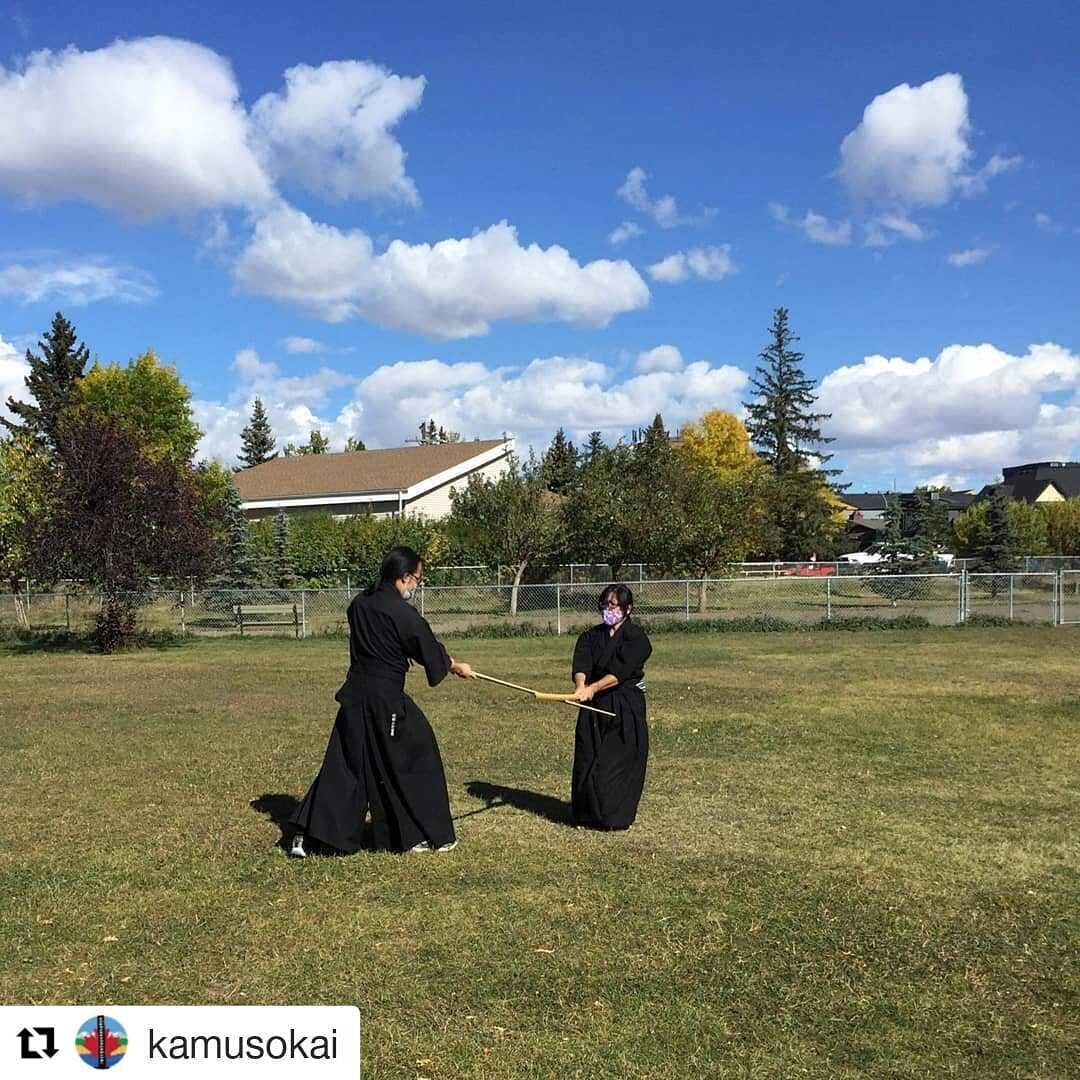
Eric Tribe sensei (6 degree black belt in Iaido and Jodo) is the CKF Head Examiner for Jodo in Eastern Canada (the art of the Japanese short staff), as well as the President of Jodo Canada. In his session, he presented video clips from two different instructors on the subject of technique.
On the surface, it seemed like they were coming at it from opposite sides. Tribe sensei had us try the technique, following the advice of each instructor. He then asked us to find the common ground between the two viewpoints. Between the commonalities and discussing what felt natural and logical, we were able to find our middle ground.
This also translates very well for music. My teen students have been listening to three or more performances of their pieces. Not only have they been comparing and contrasting, but they are also gaining ideas for experimentation. *
It has been a lot of fun adapting these drills and tools for music practice. My sensei have all been encouraging of this type of cross-training. Perhaps there is something that you do as a hobby or for exercise that you can adapt and use with your students. Or maybe there is something that your students do that can have applications to music. A little cross-training is good for everyone.
Music Practicing Tip - The Random Spot Drill
How well do you know your pieces? Try the Random Spot Drill to check.
For many music students around the world, this is a really tense time. There are only weeks before their music exam.
If you're preparing for a music exam, chances are your parents and your music teacher are telling you that you need to practice more, etc. etc.
This month, I'm checking to see how secure my students' repertoire is by using the Random Spot Drill. Really, it's as it sounds. You walk by the piano, sit down and try to play one of your pieces from anywhere. Well, from any memory station, that is.
If you're in the middle of your practice, try it for about a minute. Try playing the intro of one piece, the middle of another and the end of a third piece. OK, that's not really random, but you can make it random by trying any of the following:
Scribble out bar numbers onto slips of paper and put them in a jar or hat. Then number your pieces. Draw one slip to choose a piece and another to tell you which bar to start from.
Ask a family member in another room to pick a number from 1 and X (the last bar of your piece).
Get a random number generator app and have it choose your bar numbers.
Close your eyes and move a finger randomly on the score. When it stops, that's where you start.
Roll dice
Spin the Bottle
The idea behind the drill is to see how quickly you can get into the groove of that piece. After all, you never know when a distraction will occur. It could cause a blip. To keep you and your audience on track, you need to get back into the groove with as few missed beats as possible.
Social Media Links
archives
- #YYCArts 32
- #YYCEvents 39
- Collaborative Music 25
- Community 11
- Composing & Arranging 6
- Entertainment 139
- Entrepreneurship 53
- Freebies 3
- Gardening 1
- Geeking Out 65
- Health & Wellness 120
- Improvisation 25
- Interviews 28
- Learning Music 188
- Martial Arts 13
- Memorization 7
- Music 230
- Music Careers 9
- Music Education 196
- Music Examinations 7
- Music Exploration 55
- Music Gigs 14
- Music Lessons 6
- Music Performance 32
- Music Theory 13
- Musical Instruments 12
- Musician Health 19
- Pets 57
- Piano Technique 12
- Practicing Music 120
- Productivity 20
- Professional Development 11
- Recommendations & Reviews 93
- Recreation 71
- Social Media 6
- Spirituality 10
- Studio Management 33
- Studio Technology 50
- Teaching Music 146
FOLLOW THE STUDIO on Instagram

Affiliate Links
As a Sheetmusicplus and CD Japan affiliate, I earn from qualifying purchases. The earnings help fund the Studio’s blog and YouTube channels. Your support is greatly appreciated.


FOLLOW Budo no Tabi on Instagram