THE MUSICAL MUSE
Blog dedicated to music education, practice tips, health
&
wellness, and geeking out.

Back and Shoulder Stretches for Musicians
Many musicians complain of back and shoulder pain. Regular stretching will ease pain in the shoulder and back, increase flexibility and prevent repetitive strain injury.
Many musicians complain of back and shoulder pain. Regular stretching will ease pain in the shoulder and back, increase flexibility and prevent repetitive strain injury.
Musicians sit or stand in the same position for extended periods of time when practicing. Common complaints include:
shooting pain through the shoulder and back
dull ache in the shoulder and back
stiffness
The degree of pain varies from mild discomfort to debilitating. If unchecked, these chronic conditions can end one's musical career.
Musicians are prone repetitive strain injury such as Thoracic Outlet Syndrome, Bursitis and Tendinitis. Pain and injury in musicians stem from poor posture, faulty technique, repetitive strain and overuse. Musicians can alleviate shoulder and back pain and avoid injuries by incorporating stretching exercises into their regular routine.
How Musicians Should Stretch the Back and Shoulder Muscles
Musicians should stretch prior to practicing or performing. Stretches can be done after a shower or after performing light exercises. Musicians should take breaks frequently to stretch. For example, stretches can be done before moving onto a new technical exercise or piece or after drilling a trouble spot.
Refer to the exercises and photos below:

1 Shoulder Shrugs
Purpose: To ease shoulder tension, alleviate shoulder pain and loosen up the shoulder muscles.
Performance:
From a standing or sitting position, shrug your shoulders, drawing them up towards your ears.
Hold your shoulder muscles taut for five seconds.
Relax.
Repeat at least two more times.
2 Shoulder Blade Pinch
Purpose: To ease shoulder tension, alleviate shoulder pain and loosen up the shoulder muscles.
Performance:
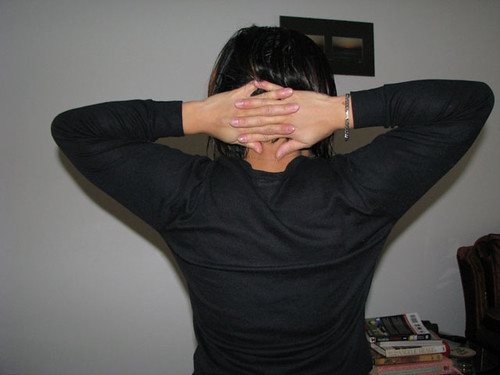
Interlock your fingers and place them behind your head. Keep your elbows straight out to the side.
Pull your shoulder blades together to produce tension in your upper back and shoulder blades.
Hold this position for five to ten seconds.
Relax.
Repeat three to four times.
3 Shoulders & Pectoral Stretch
Purpose: To ease tension in the shoulders and pectoral muscles, alleviate shoulder pain and loosen up the shoulder muscles.
Performance:
Interlace your fingers behind your back.
Slowly turn your elbows inward and straighten your arms.
Hold the stretch for five to 15 seconds.
Relax.
Repeat at least twice.
4 Prayer Stretch
Purpose: To ease tension and provide back pain relief.
Performance:
Kneel on the floor.
Reach out with both arms straight in front of you along the floor.
Lower your body onto your heels.
Hold this position for 20 - 30 seconds.
Relax.
Repeat at least twice.
5 Downward Facing Dog
Purpose: To ease tension and relieve pain in the back.
Performance:
Start on all fours.
Drop your head down.
Raise your buttocks straight up towards the ceiling while straightening out your arms and legs. Keep your heels on the floor.
Allow your spine to sink into your body and lengthen.
Hold this stretch for 20 - 30 seconds.
Relax.
Repeat at least twice.
6 Cat Stretch
Purpose: To ease tension and provide back pain relief.
Performance:
Start on all fours.
Drop your head down.
Raise your spine up between the shoulder blades while maintaining an abdominal hollow.
Allow your spine to relax.
Hold this stretch for 20 - 30 seconds.
Relax.
Repeat at least twice.
6 Standing Forward Bend
Purpose: To ease tension and relieve pain in the back.
Performance:
Stand with your feet hip-width apart.
Slowly bend forward, one vertebra at a time, allowing your head and arms to drop towards the floor.
Keep your knees soft..
Allow your spine to lengthen.
Hold this stretch for 20 - 30 seconds.
Relax.
Repeat at least twice.
7 Cross Spiral Stretch
Purpose: To ease tension and provide back pain relief.
Performance:
Lie on your back, holding your arms outstretched to the side.
Bend your right knee and bring it over to your left side towards the floor, allowing it to drop over your left leg.
Turn your head to the right.
Hold this stretch for 20 - 30 seconds.
Relax.
Switch sides.
Repeat.
For further advice, musicians should speak with a doctor, chiropractor, physical therapist or massage therapist. Alternately, musicians can take a class that involves a high degree of stretching, such as yoga.
An excellent set of stretches is outlined in Madeline Bruser's book The Art of Practicing: A Guide to Making Music from the Heart. You may also find the following articles useful: Oh, My Aching Back!, The Benefits of Yoga and How it Helps Healing, Understanding Musician Injuries.
By dedicating as little as five minutes a day to stretching, musicians can ease shoulder pain, treat back pain and prevent musician injuries.

Arm and Hand Stretches for Musicians
Many musicians complain of numbness and pain in the hand, forearm and arm. They can prevent repetitive strain injury, ease pain and tension by stretching regularly.
Many musicians complain of numbness and pain in the hand, forearm and arm. They can prevent repetitive strain injury, ease pain and tension by stretching regularly.
By nature, learning music involves repeating until a passage or technical exercise until a high level of proficiency, fluency and artistry is achieved. Instrumentalists use their finger, hand and arm muscles extensively when practicing and performing. This makes them especially vulnerable to a repetitive stain injury such as Carpal Tunnel Syndrome, Bursitis and Tendinitis. Musicians can ease arm and hand pain, relieve tension and prevent injuries by incorporating stretching exercises into their daily routine.
How Musicians Should Stretch the Hand and Arm Muscles
Stretching exercises should be done when the muscles are warm. For example, stretches can be done after a shower, after a bath or after performing some light exercises. Musicians should always stretch prior to practicing. They should also take regular breaks when practicing to stretch. For example, stretches can be done before switching to a new piece or after practicing a physically challenging section of music. Musicians should also stretch prior to performing and in between performances.
Stretching Exercises for Musicians
Follow the arm and hand exercises and refer to the photos below:
1 Finger Flicks
Purpose: Prevent Tendinitis and Trigger Finger, relieve tension and increase blood circulation in the hands.


Performance:
Hold your hands in a loose fist in front of you.
Flick your fingers so that your fingers are outstretched. Pretend that you are flicking water.
Hold your fingers in an outstretched position for 10 seconds.
Relax.
Repeat.
2 Wrist Circles
Purpose: Prevent Tendinitis, relieve tension and increase blood circulation in the wrists.
Hold your hands in a loose fist in front of you.
Rotate your wrists in a circle several times in one direction.
Relax.
Rotate your wrists in a circle in the other direction.
Relax.
Variation: Sticking out your thumb as if you were hitchhiking.
3 Fingers Interlaced Wrist Circles
Purpose: Prevent Tendinitis, relieve tension and increase blood circulation in the wrists.
Interlace your fingers together in front of you. Keep track of which thumb is resting on top.
Rotate your wrists in a circle several times in one direction. Start slowly and as you get more comfortable, increase the speed.
Relax.
Reposition your hands so that the opposite thumb is resting on top.
Rotate your wrists in a circle in the other direction.
Relax.
4 Forearm Flexor Stretch
Purpose: Prevent Tendinitis in the elbow and forearm, relieve tension and increase blood circulation.

Performance:
Place your hands together in a praying position.
Push your hands together and push your arms downward until you feel a gentle stretch.
Hold the stretch for 10 - 20 seconds.
Relax.
Repeat at least once.

5 Single Arm Forearm Flexor Stretch
Purpose: Prevent Tendinitis in the elbow and forearm, relieve tension and increase blood circulation.Performance:
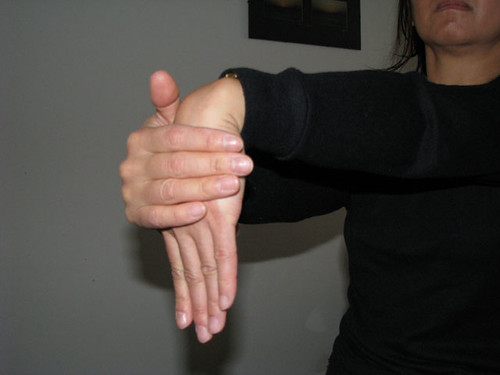
Hold your left arm straight in front of you with your palm facing forward as if to indicate "stop".
Brace your left palm with your right hand.
Gently pull the fingers in your left hand towards you until you feel a gentle stretch.
Hold for 10 - 20 seconds.
For a deeper, isometric stretch, push your left arm forward, into your right hand, as you pull your left hand towards you.
Relax.
Repeat with the opposite arm.
6 Forearm Extensor Stretch
Purpose: Prevent Tendinitis in the elbow and forearm, relieve tension and increase blood circulation.Performance:
Extend your left arm in front of you, holding your arm straight.
Let your hand flop downward at the wrist.
Place your right palm over your left hand (above the fingers).
Gently push your left hand towards you with your right hand until you feel a gentle stretch.
Hold for 10 - 20 seconds.
For a deeper, isometric stretch, push your left arm forward, into your right hand, as you pull your left hand towards you.
Relax.
Repeat with the opposite arm.
7 Soup Can Forearm Extensor Exercise
Purpose: Prevent Tendinitis in the elbow and forearm, relieve tension and increase blood circulation.
Performance:
With your right forearm on a table and let your right hand flop down.
Place a soup can in your right hand.
Beginning with your wrist level with your forearm, slowly let your hand point downward until you feel a gentle stretch in your forearm extensors.
Hold for 10 seconds.
Steadily raise your hand so that your wrist is level with your forearm.
Relax.
Complete 10 repetitions.
Repeat the exercises with the opposite arm.
8 Tricep Stretch
Purpose: Prevent Tendinitis in the elbow and upper arm, relieve tension and increase blood circulation.
Performance:
Hold your left elbow with your right hand.
Gently pull your left arm towards you until you feel a gentle stretch.
Hold for 10 - 20 seconds.
Relax.
Stretch the right arm.
Repeat this stretch at least once.
Never stretch to the point of pain. Strive for a gentle stretch. If you are already suffering from a repetitive strain injury, consult a doctor, chiropractor, physiotherapist or registered massage therapist (licensed in therapeutic massage) before attempting these exercises.
By spending as little as five minutes a day on stretching exercises, musicians can alleviate symptoms of carpal tunnel syndrome, prevent tendinitis. This can lead to many years of healthy and pain-free years of music-making.
You may find more information through these links: Benefits of Stretching, Face and Neck Stretches for Musicians, The Art of Practicing, Understanding Musician Injuries, Simple Exercises to Strengthen the Wrists and Wrist Exercises.
Practicing Music 101 - Warm Up Stretches
One area that music students (as well as working musicians!) tend to ignore is stretching. Musicians are, in fact, small muscle athletes. It is important to take care of those delicate muscles that we have, not only to prevent repetitive strain injuries, but to ensure that we can enjoy making music for many years.
One area that music students (as well as working musicians!) tend to ignore is stretching. Musicians are, in fact, small muscle athletes. It is important to take care of those delicate muscles that we have, not only to prevent repetitive strain injuries, but to ensure that we can enjoy making music for many years.
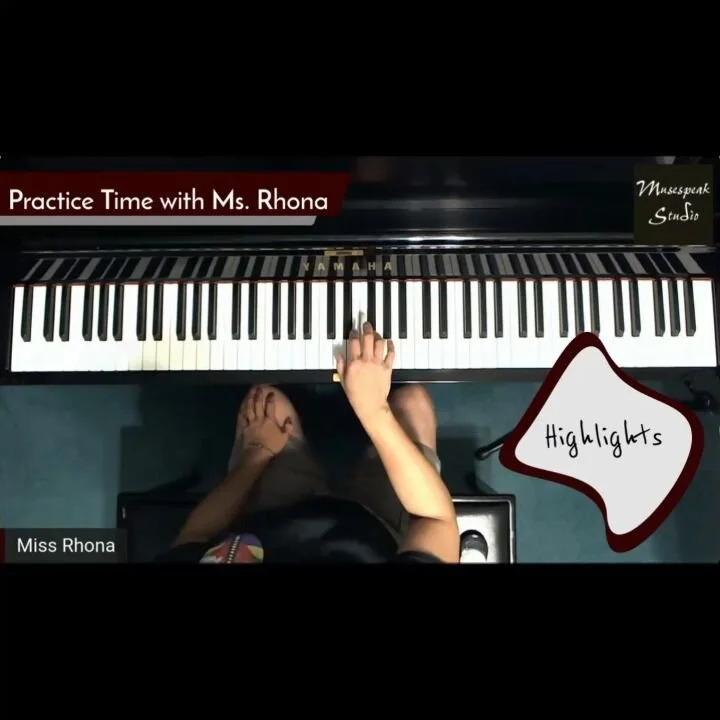
Here's a quick video from my Practicing Music 101 series
with seven warm-up stretches for the hands, arms and shoulders:
Check out my articles on Suite101 about
,
and
for more information. Happy practicing!
Social Media Links
archives
- #YYCArts 32
- #YYCEvents 39
- Collaborative Music 25
- Community 11
- Composing & Arranging 6
- Entertainment 139
- Entrepreneurship 53
- Freebies 3
- Gardening 1
- Geeking Out 65
- Health & Wellness 120
- Improvisation 25
- Interviews 28
- Learning Music 188
- Martial Arts 13
- Memorization 7
- Music 230
- Music Careers 9
- Music Education 196
- Music Examinations 7
- Music Exploration 55
- Music Gigs 14
- Music Lessons 6
- Music Performance 32
- Music Theory 13
- Musical Instruments 12
- Musician Health 19
- Pets 57
- Piano Technique 12
- Practicing Music 120
- Productivity 20
- Professional Development 11
- Recommendations & Reviews 93
- Recreation 71
- Social Media 6
- Spirituality 10
- Studio Management 33
- Studio Technology 50
- Teaching Music 146
FOLLOW THE STUDIO on Instagram


Affiliate Links
As a Sheetmusicplus and CD Japan affiliate, I earn from qualifying purchases. The earnings help fund the Studio’s blog and YouTube channels. Your support is greatly appreciated.


FOLLOW Budo no Tabi on Instagram