THE MUSICAL MUSE
Blog dedicated to music education, practice tips, health
&
wellness, and geeking out.

20 Piece Polishing Challenge Video #2: Bourée in F Major
For the second piece in my challenge, I chose a piece that would juggle nicely with Easter Triduum music and getting speed and memory secure in Typhoon. I picked Telemann's Bourée in F Major.
For the second piece in my challenge, I chose a piece that would juggle nicely with Easter Triduum music and getting speed and memory secure in Typhoon. I picked Telemann's Bourée in F Major.
ABOUT BOUREE IN F
Composer: Georg Philipp Telemann (1681 - 1767), Germany
Source: RCM Level 7 Repertoire
Notable Score Markings: M.M. = 88 - 100 to the half note, devoid of expression and dynamic markings
Prior Experience with the Piece: I've taught this lively piece many times as it is a favourite choice amongst my Royal Conservatory students.
Learning Challenges: Jumps, voice balance, fingering, speed
My Practice Log
Day 1: Ran through the entire piece. Reviewed patterns and structure. Identified fingering and coordination trouble spots. Did a bunch of blocked chord drills while yelling out the chords. Remembered to record practice videos to show how I drilled the trouble spots.
Day 2: Did a full run-through - cold. Tempo was just a few notches below the recommended tempo but wasn't able to maintain it during the trouble spots. Played around with ornaments and terraced dynamics. Will try a couple of different coordination and flow drills next practice.
Day 3: During my student's lesson, I showed her how I worked on her trouble spot in bars 10 - 12 using the Twice as Hard Drill. We dissected the harmonic structure in the B section.
Day 4: Did some slow run-throughs with and without the metronome, using the Every Other Bar Drill to work on flow. Decided to record a snippet of running through the second page for Instagram account. Naturally, I picked a spot where I wasn't swearing at myself for messing up.
Day 5: Did a full run-through of the piece at around while stopping to drill spots where I stumbled. Tried playing through again at a slower tempo (approximately 70 beats per minute). It was flowing fairly well. Dynamics and shaping is all there, if I can get the flow more consistently, then we're good enough to perform.
Day 6: Played with the metronome set at 66 beats per minute to start. Got up to approximately the 76 bpm range sounding confident and fluent. Piece felt rushed and wobbly at a faster tempo.
It is important to note that most Baroque music is devoid of markings. That leaves tempo, dynamics, and expression up to the musician, based upon their knowledge of Baroque music and performance practices. Although the RCM book does specify a tempo marking, note that it's only a recommendation.
Bourée the piece is based on bourée, the old Baroque dance. The important things to convey are the characteristics of the dance - upbeat and bouncy - along with the period characteristics of terraced dynamics and ornamentation. If that can be conveyed at a slightly slower or faster tempo than what RCM recommends, that's perfectly fine.
Having said that, I felt comfortable and confident enough with my Bourée in the the mid 70s range and decided to record. I wound up with a strong run-through on the first take. I did try for a second take in hopes of getting a cleaner performance but the magic was gone. This is still a fluent performance, so I'll take it.
Piece number #3 is in the works. I tried recording a practice video today but my camera batteries died and I wasn't too happy with my webcam and mic either. A clear sign that it's time for me to move on to practising music for this weekend's Easter services.
You can follow my progress with this challenge by checking out these two playlists:
My 20 Piece Polishing Challenge Playlist - contains the video performances
My Practice Videos - show how I work through some of the common trouble spots
The practice drills I have referenced are part of Maestro's Music Tricks - a deck of cards with practice drills that I have put together with my students' help. It's going to be getting a reboot later this year. Stay tuned for details.
Check back here for my thoughts and musings as I work through the pieces.
Repertoire Exploration Project: Conservatory Canada Pre-Grade 1 Repertoire
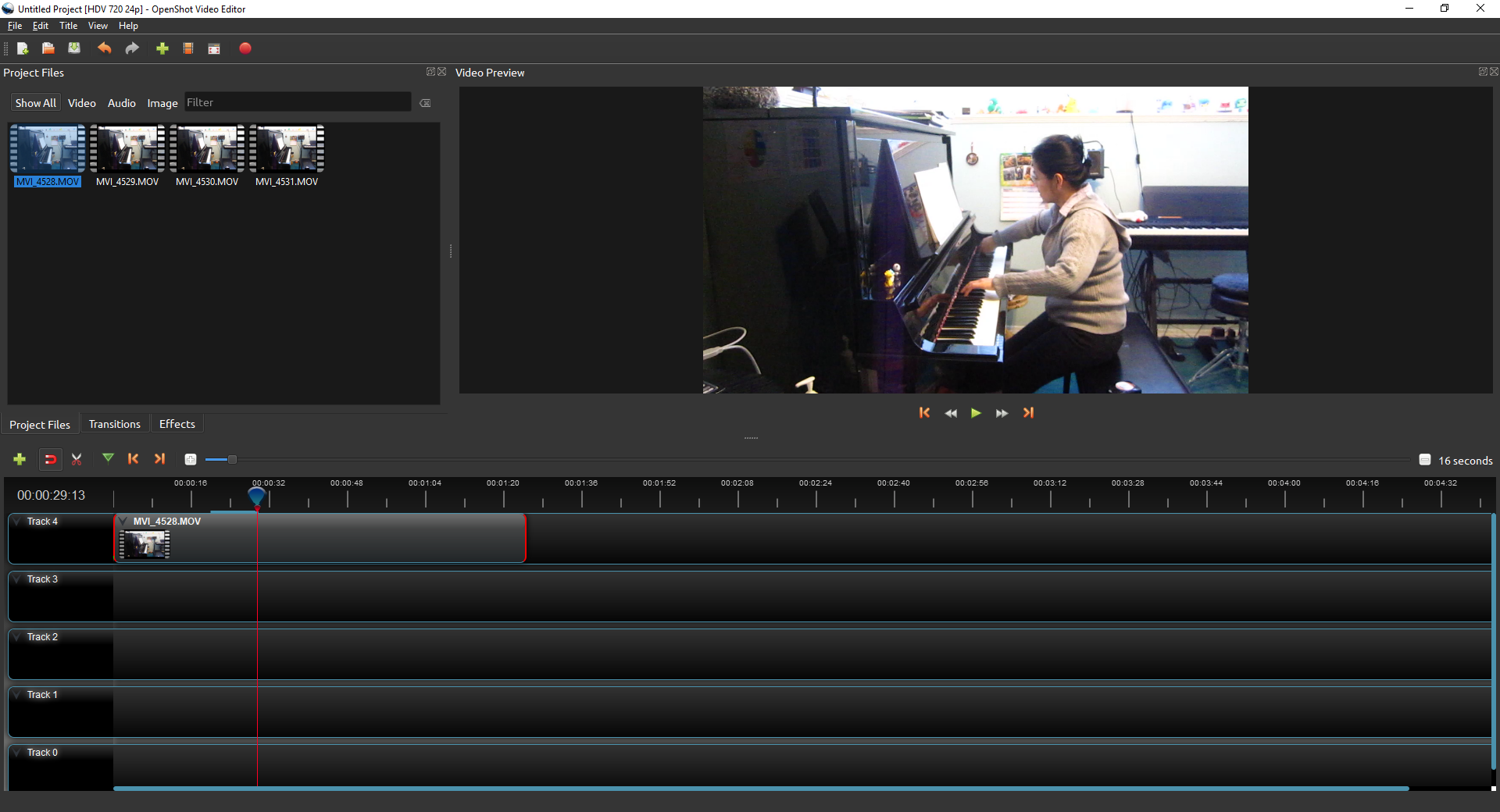
When I was growing up, we had to go to the library to hear various recordings of our pieces. With technology, it is much easier to access various performances of pieces - but only some pieces. I have decided to record my exploration through student repertoire that hasn't received as much screen time (or any at all)...First up: Conservatory Canada's Pre-Grade 1 repertoire.
When I was growing up, we had to go to the library to hear various recordings of our pieces. With technology, it is much easier to access various performances of pieces - but only some pieces. I have decided to record my exploration through student repertoire that hasn't received as much screen time (or any at all). It will take a while, but I hope to playing everything in the Royal Conservatory of Music and Conservatory Canada syllabi.
My students have generally been excited to hear that I'm taking their pieces to the next level by polishing them as well. One of my adult students was so happy to hear the news as it is somewhat disheartening to only see performances of half-pint prodigies playing your piece.
First up: Conservatory Canada's Pre-Grade 1 Repertoire. This was a lot of fun to do, mainly because I didn't have to think too hard about these pieces. I simply had to concentrate on enjoying the music.
There's nothing like playing pieces that show you just how far you've come in your musical journey. And if they help a few piano students and teachers along the way - great.
The playlist is still a work in progress. I've recruited several of my senior students to help me record the duets. I also need to record the songs that were added to the second edition of the Pre-Grade 1 book.
The Conservatory Canada Pre-Grade 1 Book is available at most local music stores. Alternatively, you may order it at Sheetmusicplus via my affiliate link below:
 look inside
|
New Millennium Pre Grade 1 Piano Conservatory Canada NOVUS VIA MUSIC GROUP. 32 pages. Published by Hal Leonard (HL.139032). |
I'll be hopping around in my repertoire review, prioritizing the pieces that my students are currently working on over the rest. Visit the studio's YouTube Channel for updates.
My 20 Piece Polishing Challenge
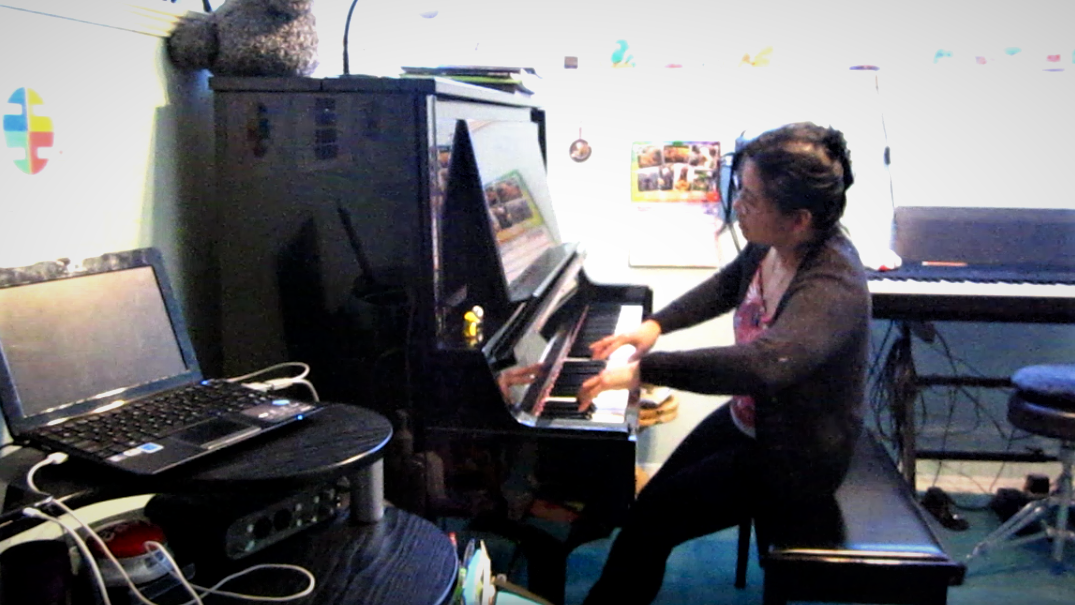
With more of my students moving up to the upper intermediate and advanced grades, I myself need to get back into shape. Sure, I know their pieces well enough to teach them, but they are by no means polished. Nor do they need to be, but what better way to get my solo piano polishing skills back up than by starting with my students' pieces?
While updating my student repertoire playlist on YouTube, I noticed that one of the videos that I selected was tied to a 40 Piece Challenge. Curious, I did a little digging.
It turns out that piano teacher Elena Fortin has been participating in these 40 piece challenges with other colleagues in the Art of Piano Pedagogy Facebook group for several years. They learn one piece a week and upload a performance of it at the end of the week.
What a great idea for us music teachers to keep our chops up. Learning pieces in a short amount of time really forces a musician to practice efficiently.
Lately, I've been working more on collaborative music. My brother and I have had fun working on music by Pia no Jac. I played and sung at a friend's wedding recently and have been doing more of that in church choir. Then, there are the various VGM and J-Pop projects that I have been doing with my buddy, the Animal Alchemist. In most of these cases, I utilize my technical, improvisational and sight-reading skills more than anything else. As much as I hate to admit it, I'm getting a little rusty at taking a solo piece - especially a classical one - and polishing it up to performance standard.
With more of my students moving up to the upper intermediate and advanced grades, I myself need to get back into shape. Sure, I know their pieces well enough to teach them, but they are by no means polished. Nor do they need to be, but what better way to get my solo piano polishing skills back up than by starting with my students' pieces?
Setting up my 20 Piece Polishing Challenge
I set up the parameters for my 20 piece challenge as follows:
Polish 20 student pieces between now and August 31, 2018.
Record polished performances of the challenge pieces and upload them onto the Studio's YouTube Channel.
Pieces must not be ones I have previously learned and polished up to performance standard (that will be another self-imposed challenge).
Pieces must be between Grade 7 - 10 level in the Royal Conservatory or Conservatory Canada (Traditional or Contemporary Idioms) syllabi.
Repertoire must be for solo piano.
Memorization is optional.
As I have to juggle this project with the rest of the repertoire I'm working on, I'm not going to pin myself down to spitting out a piece a week. I have had plenty of practice speed learning pieces and getting them to "good enough." I need more practice getting things to a much higher level. Some pieces will take me just a few days to polish while others will take several weeks.
Perhaps I'll participate in the 40 Piece Challenge next fall but for now, this seems like a good way to get back into shape while being able to help my students with their repertoire even more.
20 Piece Challenge Video #1: Disco Visit
About Disco Visit
Composer: Mike Schoenmehl (b. 1957), Germany
Source: RCM Level 8 Etudes
Notable Score Markings: Einleitung, MM ♩ = 84 - 92, straight eighths at the start. "With a heavy groove!" at bar 5.
Prior Experience with the Piece: Minimal. I sight-read it when I first bought the Etudes book at the beginning of the school year and immediately thought it would be a perfect fit for one of my students. I was right and she's going to start working on it later this year.
Learning Challenges: syncopated rhythm, leaping bass, repeated large chords and octaves, hand coordination, speed
My Disco Visit Journey (AKA, "Practice Log")
Day 1: Ran through the entire piece. Reviewed patterns and structure. Identified rhythm and coordination trouble spots (bars 9 - 12 and bars 17 - 19). Drilled them by tapping and counting out the rhythms, playing hands separately and then hands together several times. Got the first spot clean and consistent. The second? Still working on it. #awkwardchords #syncopationproblems
Day 2: Checked to see if I could get the easier bits up to 84 beats per minute before drilling the fingering fingering on bars 17 - 19 and 21 - 24 until I had better consistency than the previous practice. Drilled the trouble spots at the piano with and without the metronome. Did full run-throughs with and without metronome at 60 - 69 beats per minute. Holding steady.
Realized how easy the patterns were to memorize and began to memorize the music in four-bar chunks. Tempo shot up to 72 - 80 beats per minute as the memory improved. Did periodic memory and speed drills in between bookkeeping and errands, getting obsessed with the idea of reaching 84 beats per minute by the end of the day. Stopped after realizing that trying to get two pieces with large chords up to speed was beginning to take its toll on my right hand and arm. Will need to rest my arm and break things down slowly to memorize "release all tension" spots. So much for practising the big chordal section in Typhoon today.
Day 3: Rested the piece. Worked on Typhoon instead as I performed it later in the day at the studio piano party.
Day 4: It was a light practice day as I wound up suffering from a bad case of eye strain from using the wrong glasses at work the night before. I simply ran through the trouble spot between bar 17 - 19 by memory slowly, and in a darkened studio (which really forces your aural and tactile memory to kick in). I made a point of really relaxing my forearm during those eighth rests. I even tried with my eyes closed.
Day 5: It's my lesson prep/housecleaning day, so I alternated between drilling my memory stations and cleaning my house. I recorded my final round of memory and tempo drills to show how I worked on the hardest part of the piece (click here for the practice video).
Then, it was time to record. Here's my video performance of Disco Visit:
I've got Easter Triduum music to focus on and Typhoon to finish learning this week, so it may be a couple of weeks before I get another challenge piece up to snuff. You can follow my progress on by checking out these two playlists:
My 20 Piece Polishing Challenge Playlist - contains the video performances
My Practice Videos - show how I work through some of the common trouble spots
Check back here for my thoughts and musings as I work through the pieces.

Mid-Year Checkpoint on My Student Incentive Program
This year, I've made minor changes to Maestro's Top Dogs, my student incentive program. These changes have led to progress in two key areas: technique and performance. Here's a quick rundown on what I changed and how things are working out so far.
This year, I've made minor changes to Maestro's Top Dogs, my student incentive program. These changes have led to progress in two key areas: technique and performance. Here's a quick rundown on what I changed and how things are working out so far.
To bring new readers up to speed, the gist of my student incentive program is that students earn Maestro Bucks in various ways throughout the year. They get to spend their money at Maestro's Market. The Top Dogs in the four areas (Technique, Practice, Bulletproof Musician Playlist, and Music Moxie) will earn a special prize at the end of the year.

Practice hard, earn Maestro Bucks.
Maestro's Technique Challenge
Everyone who knew Maestro knew just how picky he was about technique. He was famous for stomping out of the studio if he deemed any scales, chords, and arpeggios sub-par (including mine).
The big change is that I adjusted the reward for each cleared technical exercise according to playing level: beginner to Pre-Grade students earn $10 Maestro Bucks (MB) per exercise, Grade 1 - 5 students earn $20 MB each, Grade 6 - 8 students earn $40 MB each, while Grade 9 and 10 students earn $50 MB each.
In the past, students earned the same amount of MB for an exercise, regardless of level. This resulted in the younger students learning all of their pentascales quickly, while the more advanced students took much longer. With this year's change, my students are progressing more steadily - on the whole.
Of course, there are some students who still balk at practising their scales, chords, and arpeggios. I struck a compromise with them. As this small group is not on the exam track, I have modified their technical exercises to focus on learning the I-V-vi-IV-I chord progression in each key. We "review" their scales and modes at their lessons. Believe it or not, they actually do practise the chord progression at home (probably because this is the progression used in nearly every pop song).
As for my exam track students, they have learned all their technical requirements much earlier compared to years past. This gives them plenty of time to secure tempo and memory. Since they already know their technical exercises for their level, their weekly incentives are tied to tempo and memory.

Maestro was extremely proud of his market. He'd be happy to know that it's still in operation in his name.
Maestro's Practice Challenge
In the past, I awarded $2 MB per completed goal. This year, I wanted to encourage practice frequency as well as give a bigger payoff for mastering a piece. As a result, students earn $5 MB for each day practiced (theory homework can also be logged).
Here's the practice sheet that we have been using this year. My students have been tweaking it throughout the year.
My students have a Bulletproof Musician Playlist, which contains songs they have mastered, plus songs that all musicians should know, like Happy Birthday and O Canada. As they master a song (as in, they can play it fluently versus perfectly), it gets added to their Playlist. This list becomes their go-to set list whenever someone puts them on the spot to play a song (thus, making them bulletproof).
For ease, the breakdown is identical to Maestro's Technical Challenge. This change has evened the playing field immensely. The beginner students wind up with longer Playlists than their seniors, but the advanced students will earn more each time they add to their list, because let's face it, their pieces are more difficult.
One interesting observation: my students are generally learning their repertoire at a faster rate than they did last year.
Maestro's Music Moxie Challenge
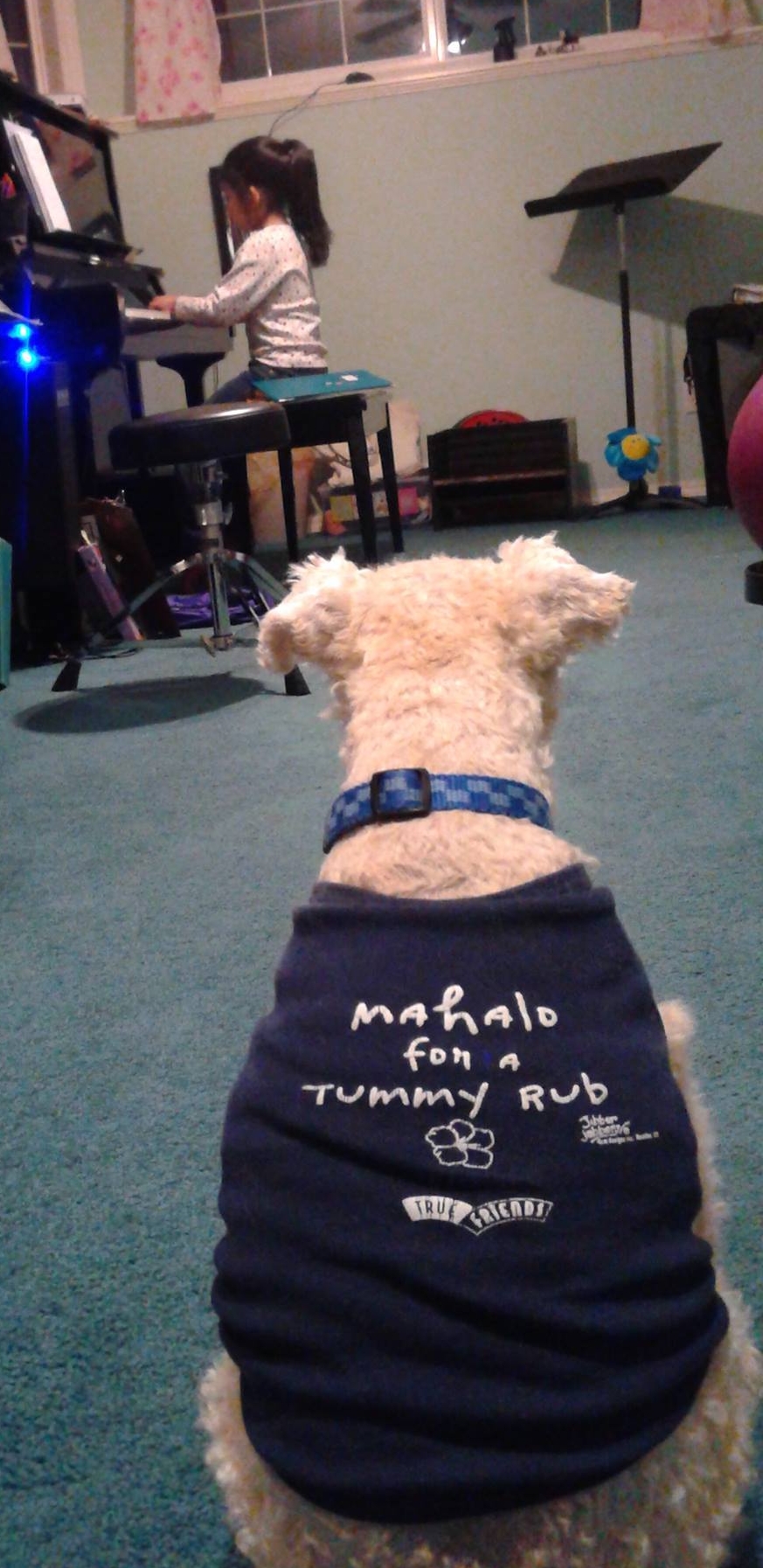
Maestro loved a good performance just as much as the next canine studio assistant.
This area underwent a few changes as well. The main change is that I wanted to better recognize the extra effort required to do something above and beyond their regular work:
$20 MB for each solo or collaborative piano performance
Memorization bonus ($10 MB/beginner piece, $20 MB/Grade 1 - 5 piece, $40 MB/Grade 6 - 8 piece, $50 MB/Grade 9+ piece)
$10+ MB each time you help out in the studio
$25+ MB per composition
$25+ MB for each concert you attend or studio workshop you participate in
The biggest change I've seen is that students are performing more this year.
Next up: Find out about my 20 Piece Polishing Challenge. Post will be out later this week.

The First Brain Game Exercise I Learned
This was a brain exercises that I committed to memory and has become a favourite amongst my students.
During the 2015 CFMTA Music Teachers' Convention, educator Terry Small came and talked to us. It was a fantastic talk about engaging the whole brain as musicians. This was a warm-up that I committed to memory and has become a favourite amongst my students:
Terry has some wonderful advice and tips for brain health on his blog, the Brain Bulletin.
Social Media Links
archives
- #YYCArts 32
- #YYCEvents 39
- Collaborative Music 25
- Community 11
- Composing & Arranging 6
- Entertainment 139
- Entrepreneurship 53
- Freebies 3
- Gardening 1
- Geeking Out 65
- Health & Wellness 120
- Improvisation 25
- Interviews 28
- Learning Music 188
- Martial Arts 13
- Memorization 7
- Music 230
- Music Careers 9
- Music Education 196
- Music Examinations 7
- Music Exploration 55
- Music Gigs 14
- Music Lessons 6
- Music Performance 32
- Music Theory 13
- Musical Instruments 12
- Musician Health 19
- Pets 57
- Piano Technique 12
- Practicing Music 120
- Productivity 20
- Professional Development 11
- Recommendations & Reviews 93
- Recreation 71
- Social Media 6
- Spirituality 10
- Studio Management 33
- Studio Technology 50
- Teaching Music 146
FOLLOW THE STUDIO on Instagram


Affiliate Links
As a Sheetmusicplus and CD Japan affiliate, I earn from qualifying purchases. The earnings help fund the Studio’s blog and YouTube channels. Your support is greatly appreciated.


FOLLOW Budo no Tabi on Instagram