THE MUSICAL MUSE
Blog dedicated to music education, practice tips, health
&
wellness, and geeking out.
In Search of J-Blogs
A short post introducing you to five blogs to help you learn Japanese.
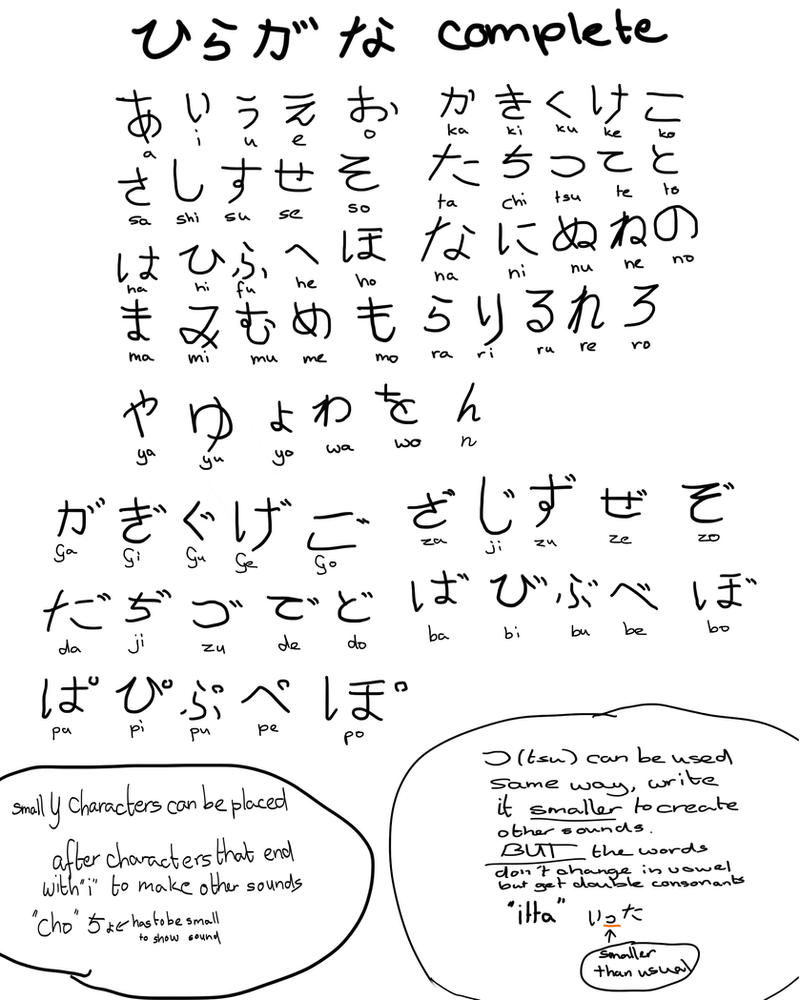
A quick post today. Here is a list of some blogs that I've come across to help with studying Japanese:
All Japanese All the Time: The layout is a bit busy, but it's full of useful information.
Japanalicious: An active blog about Japanese Language, Culture and Travel.
Learn Japanese Blog: Lessons, characters, counters and more.
Lingualift Japanese: Check out the Top 100 Resources for Learning Japanese. Sugoi!
Wired in Japan: a blog about learning the Japanese language and the blogger's experiences living and studying in Japan.
Japanese Reading Practice with Children's Books
On using children's books for Japanese reading practice, with a healthy dose of otaku shopping thrown in for good measure.
When learning a new language, it's important to try and apply what you've learned into daily living. Our Japanese Language school has a lending library.They are mainly children's books, but with our limited vocabulary, kids' books suit us just fine.
For a good laugh, check out みな うんち!It's the weirdest book I have ever read. The English translation is available on Amazon.
One of my classmates recommends the city library. I've also borrowed children's books in Japanese from the Calgary Japanese Community Association.
In the fall, I traveled to Vancouver, British Columbia. There, I visited Daiso Canada, a 100 yen store (or a "toonie" store for us Canucks). There were so many neat things, from kitchenware to slippers and from office supplies to books.
I picked up this puzzle book to work through. It's fun, however, the frustrating part is having to look up every second word!
While doing some spring cleaning, I found the puzzle book again. Guess what I'll be doing during my イースター の やすみ?
I had such a great time wandering the store. One of the staffers looked at me a little oddly when I held up a folder/book protector and asked "いくら です か?" It was before I realized that everything was approximately $2.
One of my friends just returned from a trip to New York City. One of her stops was Kinokuniya Bookstore. She picked up this book for me to practice my Japanese, along with some pamphlets:
Clickity-click, Barba Trick. Now, will I be able to read my Japanese kids' book without singing the Barbapapa Theme?
The Yasumi! Doushiyou? Wheel
Upgrading my Fun Activity Wheel for all occasions.
In February, I was inspired by an episode of Minami-ke Taidaima to make an activity wheel to plan my long weekend. It was a fun way to study Japanese. This round, I decided to make one that can be used every time I have a break. It's simply called the "Yasumi! Doushiyou?" Wheel (or "Break! What should I do?")
How fitting that I make this as Minami-ke Taidaima wraps up. It's been a fun ride with the Minami sisters and their friends. Certainly, it was a nice mood lightener after watching some deeper shows such as Shinsekai Yoriand Zetsuen no Tempest.
Check out my To Do List for April Fools' Day. Suteki desu ne?
Japanese Language Learning Apps
A brief look at some of the Japanese dictionary and Japanese study apps that are popular in my Japanese class.
こんにちは みな-さん! As promised, I touched base with some of my classmates at the Calgary Japanese Language School to find out what iPhone or Android apps they like to use to help study Japanese. どうぞ!
Japanese Study Apps for iPhones and iPads
My classmates shared four dictionary and study apps that they use on their "i-Devices". These are: imiwa?, KanjiBox, Kanji Flip and Midori.
imiwa? by Pierre-Phi di Costanzo
imiwa is a free Japanese dictionary app for iPhone, iPad and iPod touch. The latest version is 3.1.1 and requires iOS 5.0 or later. App size is 187 MB. imiwa supports English, French, German, Italian, and Spanish.
This app has a Japanese keyboard to look-up words in kana/kanji. You can also use the traditional Chinese character recognition keyboard for on-screen drawing of Kanjis. Alternatively, you can look words up using romaji.
KanjiBox by Unknown Genius Software
Kanji Box helps students study kana, kanji, vocabulary, reading and writing through the use of drills, quizzes and flashcards. There are six levels of study in this offline language app (plus one "sensei" level). Students can check their progress and scores.
You can use the KanjiDraw and KanaDraw add-ons to practice your handwriting. KanjiBox contains over 6,000 kanji and over 34,000 words.
Kanji Box is designed for iPhone and iPad and costs $5.99 USD. The app is 46.7 MB and supports English, French, German, Japanese and Spanish.
Kanji Flip b
y Proffitt Ink
Kanji Flip is similar to flashcards. However, after you "flip" to the answer, you choose whether you were Right or Wrong. This app contains 2,230 Kanji and 255 kana required for four levels of the Japanese Language Proficiency Test (JLPT). It also contains hiragana and katakana.
This app costs $5.99 USD and operates completely offline. It is compatible with iPhone, iPod touch and iPad with iOS 3.0 or later. Unfortunately, Kanji Flip is only available in English to Japanese.
Midori by Sukolsak Sakshuwong
At $9.99 USD, Midori is the most expensive of the apps listed here. However, this one packs a punch. This Japanese-English, English-Japanese dictionary app contains over 146,000 word entries and 150,000 example sentences.
Midori also contains over 12,000 kanji. In addition, the stroke order is shown for over 6,000 of those characters. This app stands out with over 720,000 Japanese proper names, place names, surnames, given names, company names and product names.
Japanese Dictionary and Study Apps for Android Phones and Tablets
My fellow Android friends and I have been using a variety of free apps to study Japanese. These are: JED, Obenkyo, Japanese Verbs and JLPT Words.
JED by Attila Korompai
This offline dictionary app contains 166,344 entries. You can search by category. Typing or handwriting the words in English, romaji and kana is supported. The app contains 3,133 kanji and sample phrases and expressions.
JED supports English-Japanese, French-Japanese and Spanish-Japanese. I have yet to explore the Radicals lookup in depth. I must say that the tags feature and animated kanji stroke order diagrams are very handy. Size is 795k.
Obenkyo by Atomusk
With this app, you can study hiragana, katakana and kanji. You can study or test yourself by drawing, or taking a multiple choice quiz. It contains numbers in romaji, Hiragana, or kanji.
Obenkyo contains over 2,300 kanji characters and over 14,600 words (Level 1-5 JLPT or Jouyou 1-7). There are animated stroke order tutorials, translation, readings, flash cards and a drawing game.
Japanese Verbs & JLPT Words by Szymon Trapp
Designed by Szymon Trapp, Japanese Verbs and Japanese Words are full of multiple choice vocabulary quizzes. On a good week, I try to do one of these multiple choice quizzes a day. Let's just say that the past few weeks have not been good ones for studying and leave it at that.
Japanese Verbs contains 641 verbs which can be looked up using kanji, kana, or romaji or English. Each entry contains information about the conjugation group, JLPT level and whether the verb is transitive or intransitive. The big bonus is that this app contains 13 conjugation forms for each verb. It also tracks your progress.
JLPT Words contains a dictionary of words required for the JLPT3, JLPT4 and JLPT5 exam. Words can be searched by kanji, kana (hiragana/katakana), or romaji.
Like Japanese Verbs, JLPT Words has multiple choice quizzes in Japanese or English. You can be tested in kanji, kana or romaji. You can also select which level(s) you'd like to be quizzed on. It keeps track of your progress as well.
Anata wa? Which Android or iPhone apps do you use to help you study Japanese?
Incorporating a New Language into Daily Life
They say that one of the best ways to learn a new language is to completely immerse yourself into the language and the culture. I would love be in Japan for six months to learn Japanese, but I can't. For many of us, it's impractical to drop everything and go live in another country for an extended period of time. The challenge then becomes "How can I immerse myself here?" For me, I've found some success with writing more "everyday" items in Japanese. First, I started by writing short, simple notes to family and friends who were taking Japanese classes with me. Then, I tried writing my students' names in Katakana on my schedule and planning lists. I've graduated to writing out my "To Do" List and grocery list in Japanese.
The "pièce de résistance " is my waterproof keitai. I labelled all my folders in Japanese.
Social Media Links
archives
- #YYCArts 32
- #YYCEvents 39
- Collaborative Music 25
- Community 11
- Composing & Arranging 6
- Entertainment 139
- Entrepreneurship 53
- Freebies 3
- Gardening 1
- Geeking Out 65
- Health & Wellness 120
- Improvisation 25
- Interviews 28
- Learning Music 188
- Martial Arts 13
- Memorization 7
- Music 230
- Music Careers 9
- Music Education 196
- Music Examinations 7
- Music Exploration 55
- Music Gigs 14
- Music Lessons 6
- Music Performance 32
- Music Theory 13
- Musical Instruments 12
- Musician Health 19
- Pets 57
- Piano Technique 12
- Practicing Music 120
- Productivity 20
- Professional Development 11
- Recommendations & Reviews 93
- Recreation 71
- Social Media 6
- Spirituality 10
- Studio Management 33
- Studio Technology 50
- Teaching Music 146
FOLLOW THE STUDIO on Instagram







Affiliate Links
As a Sheetmusicplus and CD Japan affiliate, I earn from qualifying purchases. The earnings help fund the Studio’s blog and YouTube channels. Your support is greatly appreciated.


FOLLOW Budo no Tabi on Instagram