THE MUSICAL MUSE
Blog dedicated to music education, practice tips, health
&
wellness, and geeking out.
Choosing a Digital Keyboard Piano or Electric Keyboard
Discover the difference between digital pianos and electric keyboards. Learn what to look for when buying a digital or electronic piano.
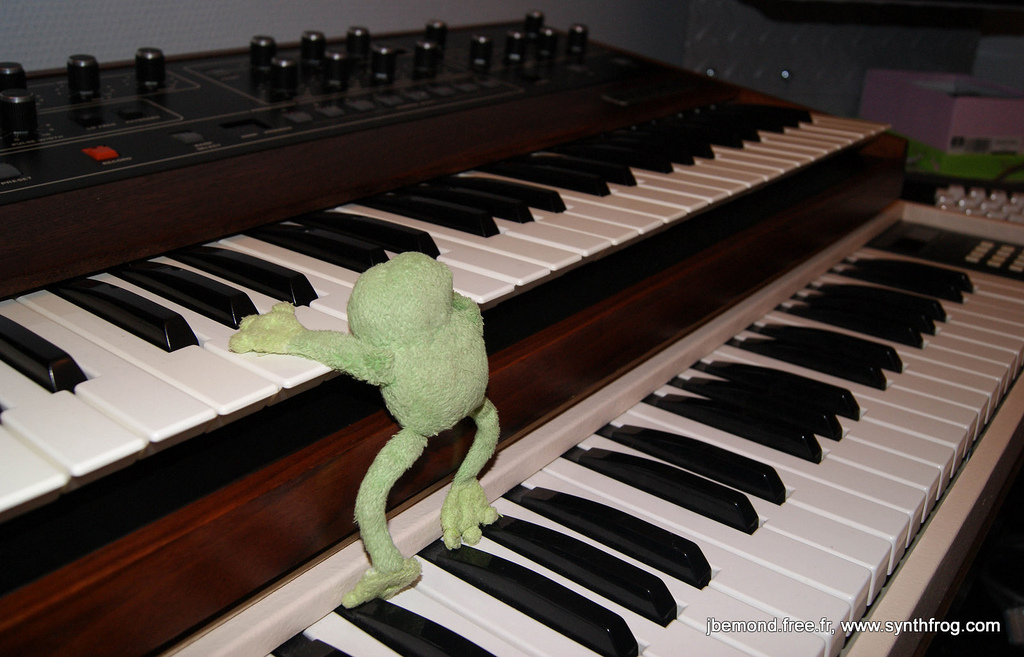
Discover the difference between digital pianos and electric keyboards. Learn what to look for when buying a digital or electronic piano.
Whether one is buying a digital piano for portability, recording, or jamming, it is important to have a basic knowledge of the types of keyboards available. Prospective buyers should also know what to look for when buying a digital or electric keyboard.
Digital Piano vs. Electric Keyboard
Prospective buyers may not know that a digital piano is not the same instrument as an electric keyboard. Both instruments are powered by electricity and use a tone generator to match the sound with the key that is played. How those tones were created differs between these two keyboard instruments.
Digital pianos use digitally sampled sounds. For example, a digital recording of an acoustic instrument, such as the piano or guitar, is made so that a digital piano can replicate the sound of an acoustic instrument. In addition to this, many digital pianos possess weighted keys (heavier key action in the lower register) and are touch sensitive (or “touch-velocity” sensitive).
In contrast, electric keyboards use computer-generated sounds. Many models lack weighted keys and touch-velocity sensitivity.
Types of Digital Pianos
There are three types of digital pianos: a digital piano, an ensemble digital piano and a stage piano:
A digital piano is built into a cabinet. It usually has the full 88 keys, just like an acoustic piano. A small selection of sampled sounds, speakers and a metronome are built into a digital piano. Some digital keyboards possess basic recording capabilities and alternative tunings.
An ensemble digital piano has either 76 or 88 keys. There is a built-in metronome as well as a wider variety of sounds and accompaniment patterns. Ensemble digital pianos can record, while newer models can be connected to the computer for greater recording, composing, and editing capabilities.
Unlike a regular digital piano, a stage piano lacks a cabinet. These generally require external speakers or amplifiers. Stage pianos are commonly used for gigs because of their portability.
Types of Electronic Keyboards
There are three types of electronic keyboards: the arranger keyboard, the keyboard synthesizer, and the music workstation:
An “arranger” is a standard electronic keyboard that contains a wide selection of rhythm and accompaniment patterns. Users can arrange these accompaniment patterns using the Fill-In and Intro/Ending buttons.
A keyboard synthesizer, also called a “synth,” enables users to create and combine various sound waveforms. Synthesizers are used primarily by musicians involved with music production and recording.
A music workstation is a combination of four electronic instruments in one. It is a musical keyboard, sampler, sequencer and synthesizer. Users can edit their recordings and burn them onto a CD.
Tips on Buying a Digital Piano or Electronic Keyboard
There are several considerations that prospective buyers should make when choosing a keyboard:
budget,
design,
touch-velocity sensitivity (the faster a key is played, the louder the sound),
dynamic range,
expandability and upgradeability,
key action (synth vs. weighted keys),
number of keys (classical musicians need more),
pedal levels (full pedal, half-pedal and quarter pedal vs. on/off),
playing level of the user(s),
polyphony (the higher the number, the more acoustic-sounding the instrument),
portability,
sequencing and sound mixing capabilities,
sound quality (realistic tones, sound decay, speaker quality), and
user friendliness.
When testing a digital piano or electronic keyboard, shoppers should listen to it through the speakers and through headphones. This way, one can hear the subtle differences in dynamic range, sound decay and sound quality.
Popular Brands of Digital Keyboards and Electronic Keyboards
There are numerous models and brands of digital and electronic musical keyboards. The leaders in digital pianos and electric keyboards are Alesis, Casio, Clavia (Nord), Korg, Roland, and Yamaha.
Prospective buyers should read product reviews of various models and brands to get a better sense of what type of keyboard would suit them. Three examples of keyboard review sites are Clever Joe’s Musician Resource, Dan Maynard’s Piano Reviews and Piano World.
There are numerous advantages to owning a digital piano or electric keyboard. However, beginner music students, music teachers, composers, and performing artists each have different musical needs. Prospective buyers should learn about the various types of digital and electric keyboards available, as well as the keyboard features in order to choose an instrument that best meets their needs.
For more information about buying a digital piano or electric keyboard, visit:
All About Pianos: Digital Piano FAQ
Know-Your-Keyboard-Piano: Electronic Keyboards - Know the Various Electronic Keyboard Types!
Originally published on Suite101.com on July 10, 2010. Updated March 27, 2013. All rights reserved by Rhona-Mae Arca.

An Introduction to the Cajón
The cajón or drum box, is a small instrument with a big voice. Pronounced “ka-HONE”, this versatile instrument is Spanish for “box” or “crate”. This portable drum is used in a variety of performance settings and music genres.
The cajón or drum box, is a small instrument with a big voice. Pronounced “ka-HONE”, this versatile instrument is Spanish for “box” or “crate”. This portable drum is used in a variety of performance settings and music genres.
A Brief History on the Cajón
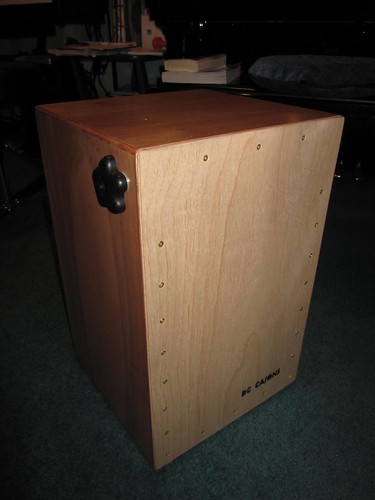
Cajon portable drum. Photo by R-M Arca
Most sources indicate that the cajón is Afro-Peruvian in origin. In the 16th century, African slaves took shipping crates and played them as they would play a drum from their motherland. Sometimes, drawers were used.
By the 19th century, the cajón had a distinct place in Afro-Peruvian and Afro-Cuban music. From Flamenco music to pop, rock and jazz, the cajón has steadily grown in popularity.
Cajón Construction
The cajón is generally made of pine, although there are several other types of woods used today. Another layer of thin plywood is nailed to the front. One notable feature is that the top corners of the face are left loose so as to produce a slapping sound. Another distinct feature is the sound hole in the back.
Some cajóns also have a snare (adjustable or non-adjustable). For a traditional Peruvian or African sound, the snare is turned off. There are also bongo cajóns, tubular and trapezoidal ones available too.
Buying a Cajón
If you live in a large city centre, chances are one of more music stores in your area is a licensed retailer of cajóns. If not, some music stores do ship worldwide.
There are several popular cajóns brands available around the world:
Asia: Pearl
North America: KOTZ™ in the US
Europe: Meinl Cajon in Germany, The Cajon Drum Shop in the UK, Requena cajon drums in Spain, Cajón de Gregorio in Spain and Schlagwerk drums in Germany
Cajóns vary in cost, depending on the make and the material used. Beginner cajóns are in the low $100's, while custom, hand-made cajóns can cost well over $600.
Learning to Play the Cajón
Getting started on the cajón is relatively easy. The instrumentalist sits on the cajón, with the drum face pointing forward. Striking the lower part of the drum face produces a warm bass tone. As you move higher, the sound is higher, similar to a bongo. You can slap the loose ends as well.

Vater Cajon Brushes. Photo by R-M Arca.
Drum accessories can enhance your cajón configuration. You can add other percussion instruments, such as cymbals, castanets, tambourines and blocks. As well, drum brushes or specific cajón brushes expand the range of tones you can produce on the instrument.
Several resources are available online to help you develop proper technique. There are free video tutorials, such as those available at Learn Cajon and Framed Drums. DVD courses available by notable cajón instrumentalists David Kuckhermann and Danny Moreno on their websites or via Amazon.
For those who one one-on-one instruction, contact your local flamenco club or Peruvian cultural society and enquire about cajón instructors in your area. Alternatively, some musicians do offer cajón lessons through Skype.
In addition to being a portable drum, the cajón is a relatively easy instrument to learn. From its humble Afro-Peruvian roots, it has expanded into other genres – from flamenco to jazz and from pop to church music.
Plus, it's just a lot of fun to play. Case in point: Japanese jazz-rock duo Pia no Jac:
© 2012 by Rhona-Mae Arca, MusespeakTM. All rights reserved.
World Music Exploration - Traditional Music of Kenya
This month, my students and I are exploring the music of Kenya. There are 13 tribes in Kenya, each with a distinct style of Kenyan traditional music:
This month, my students and I are exploring the music of Kenya. There are 13 tribes in Kenya, each with a distinct style of Kenyan traditional music:
Akamba: highly percussive music
Bajuni: mainly male singers
Borana: feature the chamonge guitar (cooking pot strung like a guitar)
Chuka: polyrhythmic percussion music
Gusii: features an obokano (lute-like instrument) and a ground bow
Kikuyu: features female singers and dancers, featuring music for initiations, courting, weddings, hunting, and working
Luhya: features drums
Luo: feature drums, clappers, metal rings, ongeng'o or gara, shakers, strings instruments such as the nyatiti, wind instruments such as tung' a horn,Asili, a flute, Abu-! and singing
Maasai: call and response vocal music
Mijikenda: percussion music
Samburu: vocals, pipes, guitar
Taraab: singing with accompaniment with Arabic and Indian influences
Turkana: call and response music mostly, some horn
This week's clip is an example of call and response music:
(c) 2011 by Musespeak(tm), Calgary, AB, Canada. All rights reserved.
Recreating Great Performances with Technology
John Walker from Sony demonstrates, using a Yamaha Disklavier, how they took performances by Glenn Gould and Art Tatum, converted the recording into raw data that can be played back. In this clip, you get to see the piano play part of Bach's Goldberg Variations as Gould did in one of his recording sessions.
There is something special about listening to a live performance. There's the energy in the room, the element of unpredictability and the uniqueness of the performance conditions - time, place, humidity, environment, audience and performer - that can never be replicated. Now with technology, it is possible to replicate at least one aspect of a performance - how it was performed. John Walker from Sony demonstrates, using a Yamaha Disklavier, how they took performances by Glenn Gould and Art Tatum, converted the recording into raw data that can be played back. In this clip, you get to see the piano play part of Bach's Goldberg Variations as Gould did in one of his recording sessions.
They even show photos of the recording process, enabling you to listen to the music as if you were the one sitting on the piano bench, as opposed to 20 or so feet away in the audience. Believe me, it is a different experience.
Although you can never replicate all aspects of a performance, it's still pretty interesting to watch the piano show you how Gould and Tatum touched the keys, the pedal.
(c) 2009 by Musespeak(tm), Calgary, AB, Canada. All rights reserved.
Looking for Piano Tuner?
Pianos, like cars, need regular maintenance to keep them in top shape. A major part of that is piano tuning. Three easy ways to find a good tuner are:
Pianos, like cars, need regular maintenance to keep them in top shape. A major part of that is piano tuning. Three easy ways to find a good tuner are:
Ask your music teacher for a recommendation - once a teacher has found a good tuner, he/she sticks with that tuner.
Visit the Piano Technicians' Guild online directory of Registered Piano Technicians.
Look in the Yellow Pages.
(c) 2007 by Musespeak(tm), Calgary, AB, Canada. All rights reserved.
Social Media Links
archives
- #YYCArts 32
- #YYCEvents 39
- Collaborative Music 25
- Community 11
- Composing & Arranging 6
- Entertainment 139
- Entrepreneurship 53
- Freebies 3
- Gardening 1
- Geeking Out 65
- Health & Wellness 120
- Improvisation 25
- Interviews 28
- Learning Music 188
- Martial Arts 13
- Memorization 7
- Music 230
- Music Careers 9
- Music Education 196
- Music Examinations 7
- Music Exploration 55
- Music Gigs 14
- Music Lessons 6
- Music Performance 32
- Music Theory 13
- Musical Instruments 12
- Musician Health 19
- Pets 57
- Piano Technique 12
- Practicing Music 120
- Productivity 20
- Professional Development 11
- Recommendations & Reviews 93
- Recreation 71
- Social Media 6
- Spirituality 10
- Studio Management 33
- Studio Technology 50
- Teaching Music 146
FOLLOW THE STUDIO on Instagram



Affiliate Links
As a Sheetmusicplus and CD Japan affiliate, I earn from qualifying purchases. The earnings help fund the Studio’s blog and YouTube channels. Your support is greatly appreciated.


FOLLOW Budo no Tabi on Instagram