THE MUSICAL MUSE
Blog dedicated to music education, practice tips, health
&
wellness, and geeking out.
Grain Free Hamburger Recipe for Dogs
A flavorful meal for dogs made with whole foods, this homemade dog food recipe can be prepared quickly and easily.
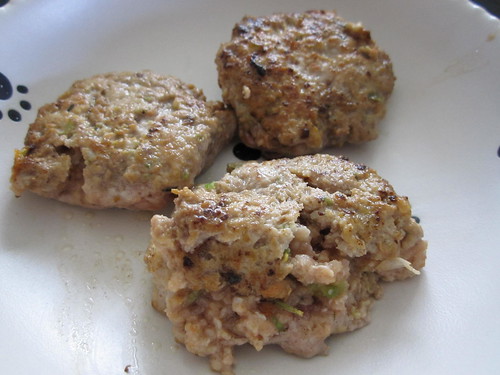
A flavorful meal for dogs made with whole foods, this homemade dog food recipe can be prepared quickly and easily.
Whether your dog has food allergies or sensitivities or you are searching for better food for dogs, this is a viable alternative to expensive premium dog food. Maestro’s Grain Free Burgers is an easy dog food recipe to make. Serving portions and ingredients can be varied to give your dog a balanced diet, thereby ensuring your pet’s health.
Ingredients for Maestro’s Grain Free Burgers
The following whole foods form the foundation for this delicious dog food recipe. This can be easily customized to suit your dog’s preferences and nutritional needs, while providing balance through variety.
1 kg (2.2 pounds) of ground meat (e.g., veal, beef, pork, chicken, turkey, organ meat)
1 – 128 ml jar (4.5 oz.) of organic baby food vegetables (e.g., peas, carrots)
1 – 128 ml jar (4.5 oz.) of organic baby food vegetables (sweet potatoes)
2 tsp. vegetable oil
¼ tsp. rosemary
¼ tsp. basil
5 shakes of black pepper
ground/crushed eggshells or bonemeal
Tips on Portion Control When Preparing Homemade Dog Food
Portion sizes should be calculated prior to making Maestro’s Grain Free Burgers. Raw4Dogs has an online calculator to determine portion sizes. The website also has recommended calculation adjustments for puppies, underweight and overweight dogs. The calcium requirements for a dog varies depending upon its weight.
According to David Bastin, Jennifer Ashton and Dr. Grant Nixon, D.V.M., authors of Better Food for Dogs (Toronto: Robert Rose, Inc. 2002), a 5 lb. dog requires a minimum of 274 mg of calcium daily and a 10 lb.dog needs 536 mg of calcium, while a 50 lb. dog requires at least 2,689 mg. The book, which contains numerous dog food recipes, also contains a comprehensive nutritional guide detailing the nutritional requirements of a dog from 5 lbs. up to 150.
First, calculate the amount of calcium required per meal. Better Food for Dogs does list recommended amounts per meal. Next, calculate the number of meal portions that the recipe will yield. This figure will give you the amount of calcium needed for this recipe.
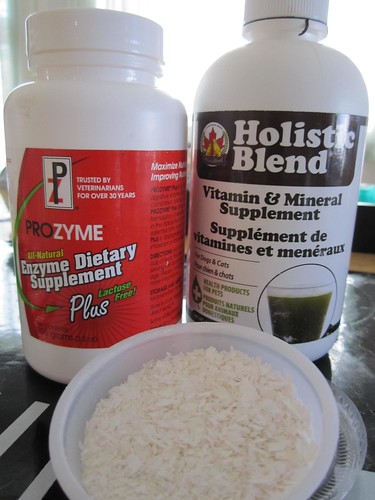
Alternatively, you can add the calcium supplement just prior to feeding. Thoroughly mix the per meal amount with the dog food. Some recipes in Better Food for Dogs suggest adding a pinch of calcium supplement into the food. The balance of the daily required calcium would have to be administered another way (e.g.dog calcium pills, raw bones, milk, yogurt).
Preparing and Cooking Maestro’s Grain Free Burgers
In a large mixing bowl, combine all ingredients.
Thoroughly mix together all ingredients.
Using a measuring scoop, spoon out a portion equivalent to one meal and shape it into a meatball or hamburger patty. Place on a plate for now.
Repeat step #3 until all the ingredients are used up.
Lightly cook the burgers by searing them. You can use either a broiler or a pan-sear them at a high temperature until the outside is brown. According to Dr. Per Schonbeck in his Pet-Nutrition-Advice article, “How is Your Dog Food Damaged by Its Processing,” “lightly broiled meats and steamed vegetables retain most of their nutrients.”
Serving and Storing Maestro’s Grain Free Burgers
As this is a protein-rich dog food recipe, various sides of carbohydrates can be added to balance your dog's meal. According to Bastin, Ashton and Nixon, dogs require 40% protein, 45% carbohydrates and 15% supplemental fat. Examples of fruits and vegetables you can include are chopped carrots, apples and bananas.
For grains, you can add brown rice, cooked oatmeal or cooked pasta. Smaller dogs may need their burgers broken down into bite-sized chunks.
Freeze the remaining burgers for future use. Simply microwave a serving for 45 seconds – 1 minute to defrost and warm up the doggy burgers.
Dogs on a home-prepared diet should take dog supplements such as digestive enzymes, glucosamine for dogs or brewer’s yeast to obtain optimal pet health. They should also take multi-vitamins. However, as many dog vitamins on the market are geared towards dogs on commercial dog food diet, check to make sure the vitamins are sufficient for your dog’s needs.
Vary the Ingredients to Achieve Nutritional Balance Over Time
No single homemade dog food recipe will meet all of a dog’s nutritional requirements. According to Mary Straus in her April 2007 Whole Dog Journal article, "Introduction to Homemade Diets for Dogs", dog owners should strive for nutritional balance over time. Vary the vegetables used as well as type and cut of meat in this hamburger recipe for dogs. However, be sure not to include any foods that are harmful to dogs.
If you are just starting your dog on a home-prepared diet, read "What You Should Know Before You Cook for Your Dog". Explore other dog food recipes and dog food alternatives. You should also consult with a veterinarian to determine your dog’s specific nutritional requirements.
Homemade Hamburger Recipe for Dogs
This homemade dog food recipe is relatively easy to prepare. It can also be adjusted to give dogs a varied and balanced diet.

This homemade dog food recipe is relatively easy to prepare. It can also be adjusted to give dogs a varied and balanced diet.
Cooking meals for a dog does take some planning and research, but it can be extremely rewarding. Dog owners can rest easy, knowing exactly what ingredients are in their dog’s food, while dogs can enjoy a different meal every day.
Maestro’s Power Burgers is a relatively easy dish to prepare. This homemade dog food recipe can also be adjusted to give dogs a varied and balanced diet.
Ingredients for Maestro’s Power Burgers
The following ingredients form the foundation of this tasty homemade dog food recipe. This can easily be customized to suit a dog’s tastes and to provide balance through variety:
2 cups of ground meat (e.g., veal, beef, pork, chicken, turkey, organ meat)
1 cup of grains (e.g. white rice, brown rice, barley)
1 cup of vegetables – fresh or frozen (e.g., carrots, peas, lima beans, corn, sweet potato, potato, small tomato)
2 teaspoons of vegetable oil
1 egg
¼ tsp. of basil
¼ tsp. of rosemary
¼ tsp. of parsley
5 shakes of black pepper
up to 1 clove of garlic, minced (optional)
These ingredients can be doubled to make a larger batch. For more information on the types of foods that can be included in a home-prepared diet for dogs, read Dr. Ihor Basko’s Pet Nutrition: Guidelines for Feeding Your Pets.
Portion Control for Maestro’s Power Burgers
Prior to making Maestro’s Power Burgers, one should calculate portion sizes. Raw4Dogs has an online calculator. The site also makes adjustments for if the dog is overweight, underweight or if it is a puppy.
The calculator bases the meal portion size on feeding a dog 2 meals a day. If one is feeding a dog 3 meals a day, take the daily total and divide by three.
Preparing and Cooking Maestro’s Power Burgers
Cook the grains.
Lightly oil a cookie sheet, baking dish or muffin tins.
Chop or puree the vegetables.
In a large mixing bowl, combine the cooked grains, vegetables, egg, vegetable oil and herbs.
Add the ground meat to the bowl. Mix together all ingredients.
Using a measuring cup, scoop out the equivalent to one meal and place on the baking sheet (or in a muffin tin).
Repeat Step #7 until the baking sheet is full.
If the hamburgers are a little too high, squish them down a bit with a spatula.
Lightly cook the burgers by either broiling or searing them until the outside of the burgers are brown.
Let cool before serving.
Feed the dog one serving, based on the portion size calculation made in the previous section. Some dogs may prefer to have their burgers broken into smaller bite-sized chunks.
Extra portions can be frozen and reheated one serving at a time. Microwave a serving for 45 seconds to 1 minute to defrost and warm up the burger.

To ensure that a dog is getting the requisite ratio of food sources, various "sides" can be added, so long as the portion sizes are observed. Fresh fruit, vegetables and cheese are some examples of side dishes. Some dogs may require lactose-free cheese.
As cooked food is depleted of enzymes dogs need to digest properly, owners can give digestive enzymes for dogs. They can also give dog supplements, such as Brewer’s Yeast and calcium supplements, to avoid holes in their dog's diet. However, lightly cooking the burgers by broiling or searing does preserve most nutrients, according to vet Dr. Per Schonbeck in his Pet-Nutrition-Advice article, “How Is Your Dog Food Damaged By Its Processing".
What Dog Owners Should Know Before Cooking Meals for Their Dogs
No single homemade dog food recipe will meet all of a dog’s nutritional requirements. In "Introduction to Homemade Diets for Dogs" in Whole Dog Journal (April 2007), Mary Straus advises dog owners to strive for nutritional balance over time. The type of meat (and the cut), grains and vegetables should be varied to make certain that their dog's nutritional needs are met.
Owners who plan to switch to a home-prepared diet for their dogs should consult with a veterinarian to determine the dog’s nutritional requirements. They can also ask the veterinarian to adjust a couple of recipes to get the right balance when making homemade dog food.
Related Reading:
Benefits of a Homemade Pet Diet
Dr. Good Pet: ingredients and dog food recipes
What You Should Know Before You Cook for Your Dog
Originally published July 19, 2010 on Suite101.com. All rights reserved by Rhona-Mae Arca & Maestro.
What You Should Know Before You Cook for Your Dog
Before pet owners place their dog on a home-prepared diet, there several points they need to be aware of.
Before pet owners place their dog on a home-prepared diet, there several points they need to be aware of.

Cooking for your dog can be easy. Photo by R-M Arca.
With the dog food recalls in recent years and the development of dog allergies and sensitivities, an increasing number of pet owners are considering the home-prepared or "homemade" diet for their dog. However, pet owners should obtain a good understanding of what is involved with making food for their dog before they begin.
What is a Home-Prepared Diet?
Home-prepared or "homemade" pet diets are not to be confused with "table scraps". The latter is a mix of leftovers from a human's meal. A home-prepared diet for a dog is based specifically on meeting a dog's nutritional needs.
In "Pet Nutrition: Guidelines for feeding your pets", Dr. Ihor Basko, DVM, recommends "you cook and feed your pet based upon: breed and body type, personality, age, sex, current problems, inherent genetic weaknesses, climate of the season, and the level of exercise and activity and stress."
There are four things dog owners should know before making food for their dog:
Determine Your Dog's Nutritional Requirements
Although dogs are omnivores, like humans, their nutritional requirements are different. It is important to consult your veterinarian to help determine your dog's nutritional needs.
Dr. Basko recommends that a dog's diet should consist of:
20 - 30% grains (Examples include brown and white rice, oats, millet, quinoa and barley)
10 - 30% protein (Examples include meat, fish, eggs, soy products, kelp, spirulina, blue-green algae and dairy products)
20 - 40% vegetables (Examples include carrots, turnips, garlic, sweet potatoes, spinach, celery, lettuce, parsley, azuki beans, lima beans, soybeans, string beans, sweet peas, white beans, basil, seaweed, rosemary, dill, pepper, tarragon)
Dog owners should know what foods are harmful to dogs. Some dogs are lactose intolerant, so lactose-reduced dairy products is a viable option. Finally, a dog's nutritional requirements change as they age.
How to Make Dog Food: Research Dog Food Recipes to Start
Numerous resources are available to help dog owners get started on the homemade diet for dogs. This is just a sampling:
Dr. Good Pet: Contains a detailed list of ingredients to use and a basic recipe that can be varied
I Love Dogs: A large online cookbook of dog food recipes submitted by dog owners
Better Food for Dogs: A Complete Cookbook and Nutrition Guide by David Bastin, Jennifer Ashton and Dr. Grant Nixon, DVM (Toronto: Robert Rose Inc., 2002)
Once dog owners have a better sense of their dog's preferences, they can start modifying an existing dog food recipe by substituting ingredients or creating their own. When making dog food from scratch, dog owners can use this online calculator to determine serving portions. The online calculator has recommended adjustments for weight loss diets as well as those for weight gain.
Use Digestive Enzymesand Supplements to Avoid Holes in Your Dog's Diet
Cooked or processed foods have been depleted of the digestive enzymes dogs require. Therefore, owners should incorporate canine digestive enzymes into a dog's diet when feeding homemade dog food.
Brewer's yeast tablets and seaweed contain vitamins and nutrients to promote healthy skin and coat in dogs. Brewer's yeast is also a deterrent against fleas. Many holistic pet food stores carry freeze-dried veggies/vitamin mix that can be added to a homemade meal.
How to Succeed in Making Food For Your Dog
There are five things to remember when making dog food: gradual changes are optimal, know thy dog, variety, balance over time and calcium:
Gradual Changes: Drastic diet changes cause indigestion, stomach upset and diarrhea in dogs. Owners can feed their dog a canine digestive enzyme to make the diet transition smoother or make subtle changes to their dog's diet.
Know Thy Dog: Is he just picking at his food? Or is she inhaling it? Does the dog suddenly gain a swollen lip or itch after eating? Owners should observe their dog carefully for an allergic reaction, indigestion, gas or diarrhea and make adjustments.
Variety: In "Introduction to Homemade Diets for Dogs", Mary Straus states there is a lack of reliable data on canine nutritional requirements. For this reason, she cautions pet owners against relying solely on recipes. Owners should vary the type of meat (and the cut), grains and vegetables to ensure that their dog's nutritional needs are met.
Balance Over Time: As no one homemade dog food recipe contains all the nutrients a dog requires, Straus says that owners should strive for giving their dog a balanced diet over a period of one to three weeks as opposed to trying to make each meal complete and balanced.
Calcium: Dogs need to have enough calcium in their diet. Raw bones give dogs the calcium they need. Dogs can also get calcium by eating cottage cheese, yogurt and lactose-reduced dairy products. Some dogs may require calcium supplements to reach the necessary amount.
Health Benefits to Home-Prepared Dog Food
Straus recounts several cases where dogs experienced improved health after switching to a homemade diet. People whose dogs were plagued by seizures, digestive disorders, allergies, ear infections or arthritis showed a significant improvement to their health after switching to the homemade diet.
Homemade dog food isn't for all dogs and their owners. Pet owners should have a good understanding of the their dog's nutritional needs, research feeding guidelines and recipes and the keys to success with the home-prepared diet before they begin. With patience, keen observation skills and some imagination, dogs owners can discover how enjoyable and rewarding cooking for their dog can be.
Related Reading:
Homemade Hamburger Recipe for Dogs
Grain Free Hamburger Recipe for Dogs
Fresh Dog Food as a Convenient Alternative to Homemade Dog Food
Originally published on Suite101.com on June 3, 2010. All rights reserved by Rhona-Mae Arca.
Social Media Links
archives
- #YYCArts 32
- #YYCEvents 39
- Collaborative Music 25
- Community 11
- Composing & Arranging 6
- Entertainment 139
- Entrepreneurship 53
- Freebies 3
- Gardening 1
- Geeking Out 65
- Health & Wellness 120
- Improvisation 25
- Interviews 28
- Learning Music 188
- Martial Arts 13
- Memorization 7
- Music 230
- Music Careers 9
- Music Education 196
- Music Examinations 7
- Music Exploration 55
- Music Gigs 14
- Music Lessons 6
- Music Performance 32
- Music Theory 13
- Musical Instruments 12
- Musician Health 19
- Pets 57
- Piano Technique 12
- Practicing Music 120
- Productivity 20
- Professional Development 11
- Recommendations & Reviews 93
- Recreation 71
- Social Media 6
- Spirituality 10
- Studio Management 33
- Studio Technology 50
- Teaching Music 146
FOLLOW THE STUDIO on Instagram








Affiliate Links
As a Sheetmusicplus and CD Japan affiliate, I earn from qualifying purchases. The earnings help fund the Studio’s blog and YouTube channels. Your support is greatly appreciated.


FOLLOW Budo no Tabi on Instagram