THE MUSICAL MUSE
Blog dedicated to music education, practice tips, health
&
wellness, and geeking out.
Excuses and Commitments
I have noticed that the excuses for not practicing increase around this time of year:
“We were at my grandparents’ all weekend and they don’t have a piano.”
“My parents are renovating and the piano is all covered up.”
“The batteries on my keyboard are dead.”
I have noticed that the excuses for not practicing increase around this time of year:
“We were at my grandparents’ all weekend and they don’t have a piano.”
“My parents are renovating and the piano is all covered up.”
“The batteries on my keyboard are dead.”
“We went skiing.”
“I had a lot of tests this week.”
“I had a ton of homework!”
“I had a sports tournament.”
“I had a dance competition/exam.”
“I just wasn’t in the mood.”
“I was busy…playing with my X-Box/Nintendo/Playstation/Internet.”
Don’t get me wrong, I do sympathize with today’s kids. It seems like they get more homework than my generation did. I also do know what it’s like to be busy at their age, having been involved in several extracurricular activities.
Teachers get grumpy when they hear the same excuses from the same students on a weekly basis. Somehow, my brother and I made it work - good grades, extracurricular activities and piano. We didn’t practice as much as we should have but our parents made sure we practiced enough (try 6:30 AM AND 11 PM practices!).
One student recently used the last two excuses on the list. I told her that if there is something else she’d rather be doing, then do it and quit piano. However, if she does want to stay in piano, then she has to make a commitment.
Regardless of the activity, be it hockey, karate, soccer, drama, dance or piano – there is a level of commitment students must exhibit to make it worthwhile for the themselves, parents and teachers. For each of these, commitment equals practice time.
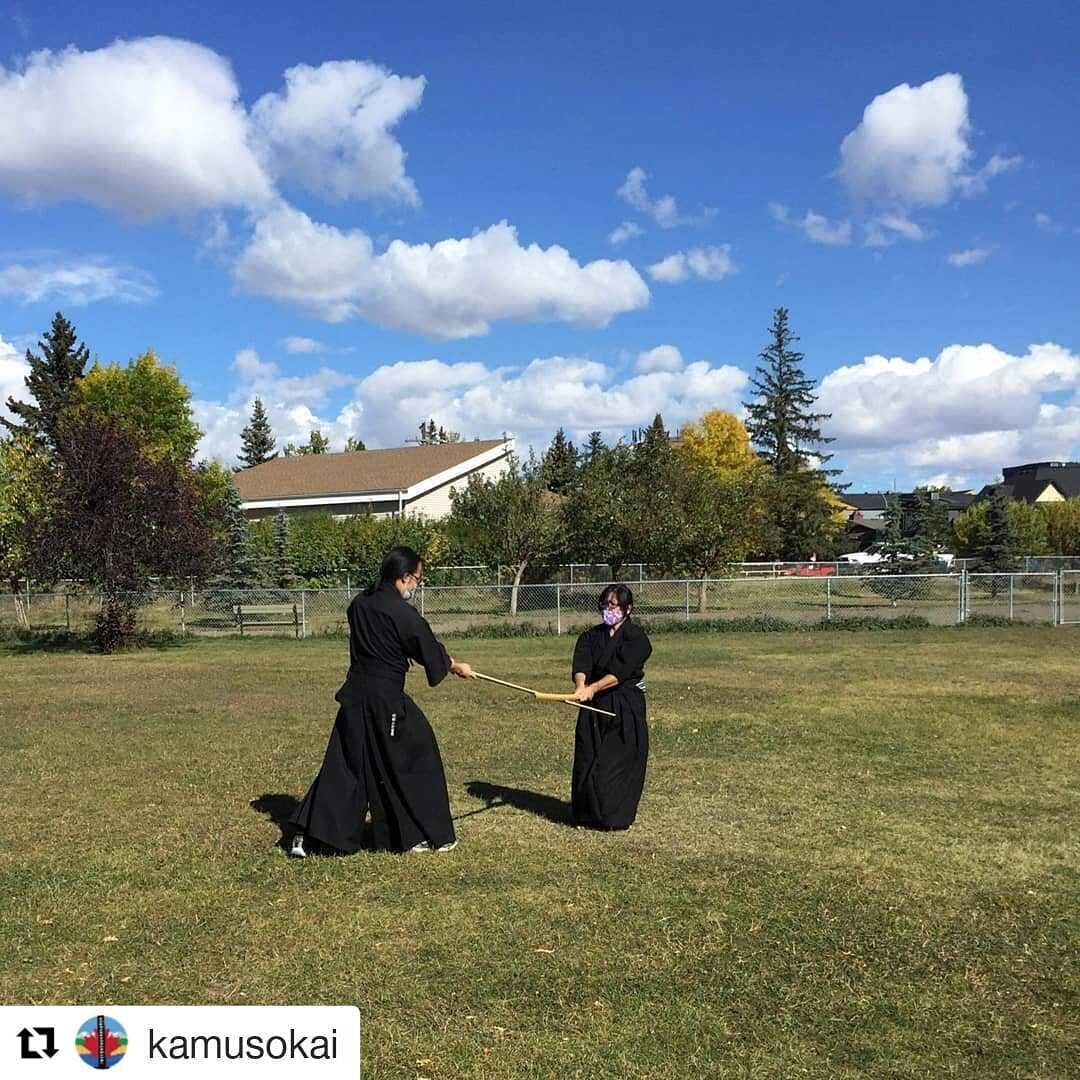
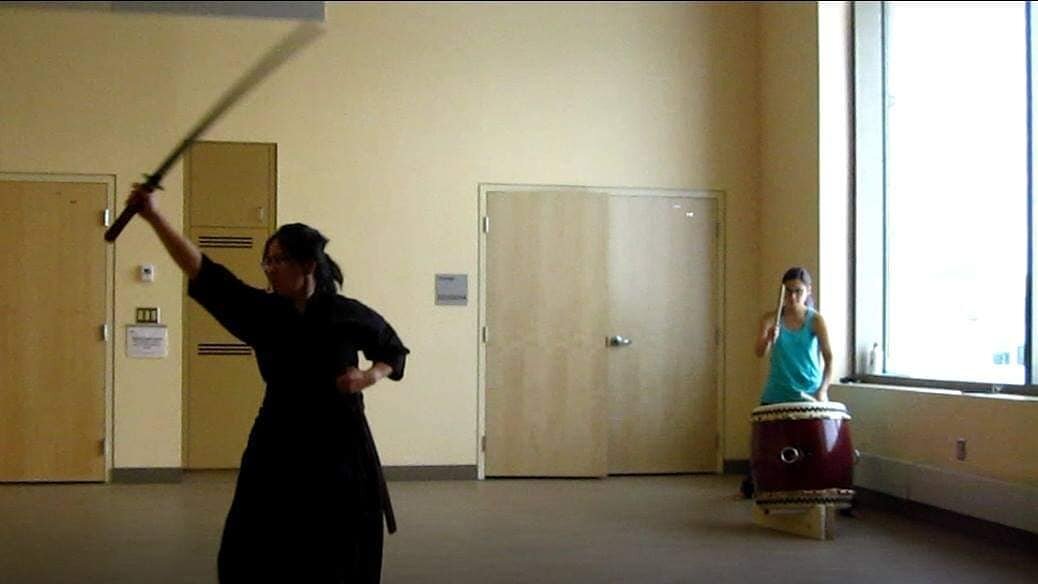
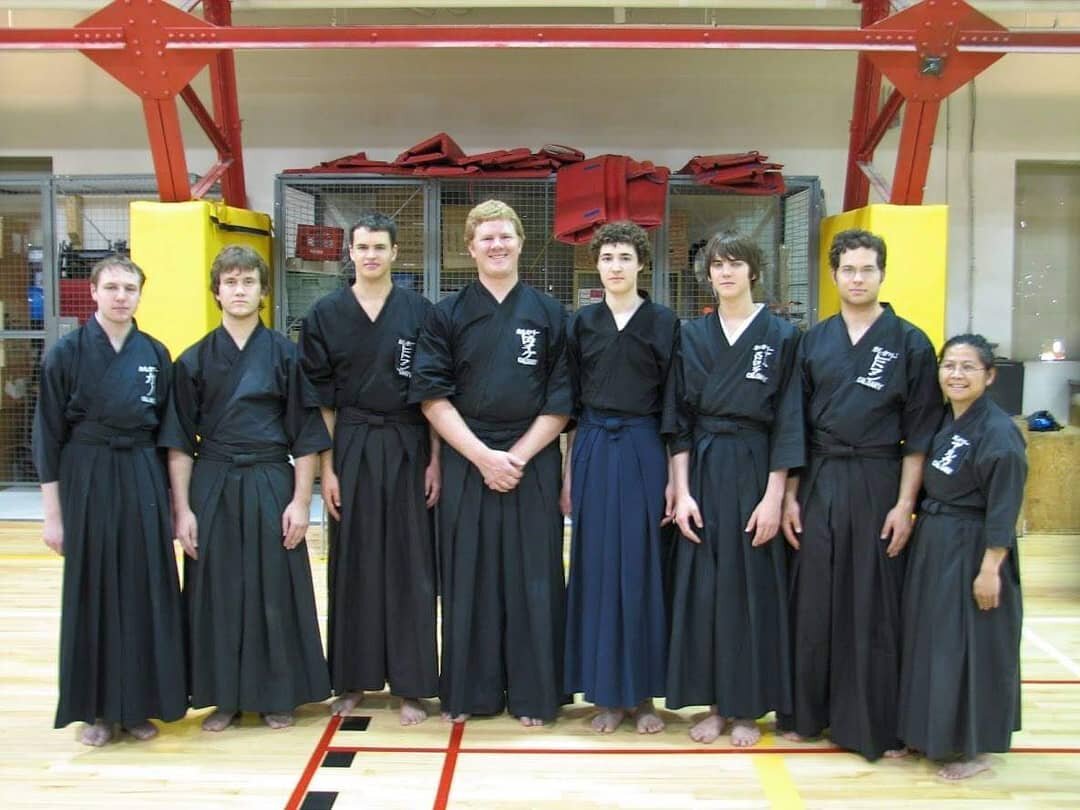
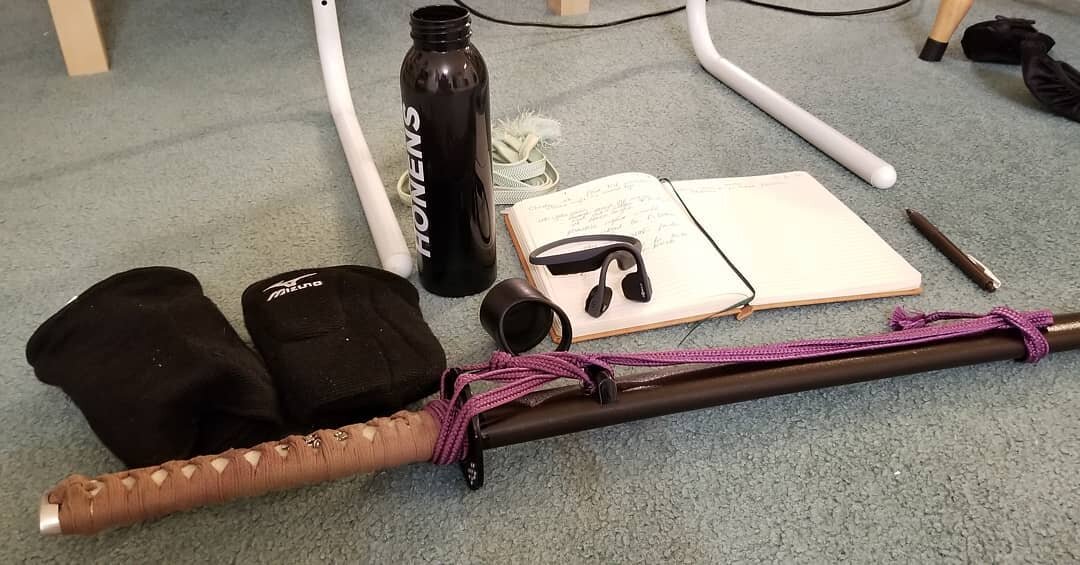
I'm jealous of my students, to tell you the truth. I wish I had their schedules. To just concentrate on piano, school and Iaido (the latter replaces the yearbook committee and basketball scorekeeping activities of my youth), would be heavenly.
Instead, Iaido practice is squished in before my morning administrative tasks and errands (if I’m not in an ARMTA meeting or workshop), while piano gets tacked on well after 10 pm, when I’ve wrapped up teaching for the evening and planning for the next day (my room-mate can attest to the “well after 10” part). Neither winds up happening daily but I do strive for five days a week for both. Some weeks are better than others. I need to make room for more writing, but that’s a dilemma for another day.
I really wish I could supervise my students’ practicing in their homes and limit their distractions and/or extracurriculars; but I lack Santa's ability to be in over 40 places simultaneously.
© 2006 Musespeak™, Calgary, AB, Canada. All rights reserved.
“Romantic Music” Musings
I’ve always enjoyed listening to and playing Romantic music. It is so easy to get caught up in the swelling melody that gathers speed and volume until it reaches its climax. I love the strurm und drang and rubato, which exemplify turbulent emotions…
I bet you thought I was going to muse about sappy love songs. Nope. Not here. The Romantic Period (circa 1825 – 1900) saw an increase in nationalism and exoticism in the arts, as well as the themes of unrestrained passion, unrequited love, redemption and flights of fancy.
I’ve always enjoyed listening to and playing Romantic music. It is so easy to get caught up in the swelling melody that gathers speed and volume until it reaches its climax. I love the strurm und drang and rubato, which exemplify turbulent emotions. After the storm, there’s always a moment (or several), in which we are teased. We think we’re at the end of the song, but the composer sends us off into another direction. Then, there’s the penultimate chord. Musicians are taught to push to it and then savour the dissonance. Make the audience crave the resolution.
Frederic Chopin captured the nationalistic flair of his native Poland along with tender and searing melodies. Franz Lizst gave us fiery and brilliant passages that amazed audiences. Johannes Brahms showed us the angst-ridden and frustrated side of romance. You can learn about the music of these Romantic composers and many more at these sites:
© 2006, Musespeak™, Calgary, AB, Canada. All rights reserved.
Musicians & Memory
Musicians young and old struggle with memory. I have a few students who are really struggling with it this year (we memorize in chunks). You may ask, “Why do musicians need to memorize their songs?” If you learn something “by heart”, you know it inside and out. You understand it on several levels and can perform it confidently – consistently. Plus it just looks good.
Musicians young and old struggle with memory. I have a few students who are really struggling with it this year (we memorize in chunks). You may ask, “Why do musicians need to memorize their songs?” If you learn something “by heart”, you know it inside and out. You understand it on several levels and can perform it confidently – consistently. Plus it just looks good.
Now there are times to memorize and there are times not to. Memorization is required at festivals and exams. Student recitals? It depends. If it’s a recital to air out exam pieces, then yes to memory. If it’s just a fun recital, it’s optional. If you’re just jamming with family and friends, memory is optional (improvising is probably more valuable here). If you’re at a family reunion and you’re dragged to the piano? You better have something ready at your fingertips (or be a good improviser!).
There are five types of memory that musicians use. The more forms you use, the stronger your memory is. They are:
Aural: memorizing by ear
Visual: AKA “photographic memory”
Tactile/Digital: AKA motor memory
Analytical: looking for patterns and relationships
Kinesthetic: AKA “muscle memory"
Here are a few interesting articles on memory and music:
© 2006, Musespeak™, Calgary, AB, Canada. All rights reserved.
Injury Prevention for Musicians
Yes, it’s true, even musicians are afflicted by injuries. Several classmates from university and I have suffered from repetitive strain injuries (RSI) off an on for over 10 years. Once you get RSI, it’s virtually impossible to cure completely.
Yes, it’s true, even musicians are afflicted by injuries. Several classmates from university and I have suffered from repetitive strain injuries (RSI) off an on for over 10 years. Once you get RSI, it’s virtually impossible to cure completely. Sometimes, it's piano related. Other times, it's computer related.
The problems stem from poor technique, poor posture and repetitive motions. Chiropractors and physiotherapists told me that strengthening the muscles around the damaged tendons through exercise is the best way to combat the recurrence of RSI.
Calgary-based teacher, clinician, adjudicator and composer Dr. Peter Jancewicz has written several articles on the topic, having suffered from RSI. Practicing the Alexander Technique has done wonders for him.
At the Canadian Federation of Music Teachers’ Associations (CFMTA-FCAPM) conference held in Calgary July 2005, there was a session on the Feldenkrais method, which also is helpful for musicians with RSI.
Other musicians use sports and/or martial arts to strengthen their muscles. Doctors often recommend swimming and strength training. Yoga and martial arts are good activities as they not only keep musicians physically fit, but help with calming the nerves, settling the mind and focusing. That was part of my motivation for studying Iaido.
Whatever method you choose, it is best to do research first and consult with your doctor before taking on a new physical activity.
© 2006, Musespeak™, Calgary, AB, Canada. All rights reserved.
Too busy to practice? Try the 10 minute practice session
At university, I learned how to practice more effectively. I suffered my first bout of tendonitis between my second and third year.
With the school year well underway, students are busy with homework, sports and other extracurricular activities. This translates to the famous line many teachers hear on a weekly basis, "I didn't practice this week because [insert excuse here].” This is actually a discussion topic on the Canadian Piano Pedagogy Discussion Group I am part of. Both my brother and I were busy with extracurricular activities and school in our day, in addition to piano, music history, as well as harmony and analysis classes. How did we manage it and still do well? First, our parents made studying a priority, whether it was school or piano. We couldn’t drop either activity. Sure, we didn't practice as regularly as we should have but Mom was on our case if we slacked off too much. It helped that Mom gave us fun music on a regular basis for the times we were tired of our exam pieces.
At university, I learned how to practice more effectively. I suffered my first bout of tendonitis between my second and third year. The doctor said the best way to let my arms heal would be to not play the piano for several months. That simply wasn’t an option for me. With a careful regimen of icing, physiotherapy, rest and ibuprofen, my piano teacher completed the program by revising my practice routine. I started slowly, only playing for five minutes a day. Gradually, I built it up to the two to two-and-a-half hours a day I maintained for the rest of my studies.
With only ten minutes of piano time, I had to make them count. I learned to zoom in on “trouble spots”. No need to drill something that I can do well.
It also meant I had to find other way to keep up with my peers. My teacher advised me to study the music score for patterns and memorize the music as I would memorize a vocabulary list. I tracked down recordings of my repertoire and listened to them ad nauseum. I also learned to practice the rhythms away from the piano by tapping them on my lap or on a table.
Each of these activities can be done in a ten-minute session. It’s a routine I employ now as a teacher with limited practicing time. Warm up on scales, chords and arpeggios for one key, drill a trouble spot and improvise for a few minutes. If a student is late or doesn’t show, then I can squeeze in another ten-minute session. I try to squeeze in at least one ten-minute session a day if I’m pressed for time. After all, I know as well as the next person that it’s tough to practice an hour a day, every day.
© Musespeak, Calgary, AlbertaCanada, 2005. All rights reserved.
Social Media Links
archives
- #YYCArts 32
- #YYCEvents 39
- Collaborative Music 25
- Community 11
- Composing & Arranging 6
- Entertainment 139
- Entrepreneurship 53
- Freebies 3
- Gardening 1
- Geeking Out 65
- Health & Wellness 120
- Improvisation 25
- Interviews 28
- Learning Music 188
- Martial Arts 13
- Memorization 7
- Music 230
- Music Careers 9
- Music Education 196
- Music Examinations 7
- Music Exploration 55
- Music Gigs 14
- Music Lessons 6
- Music Performance 32
- Music Theory 13
- Musical Instruments 12
- Musician Health 19
- Pets 57
- Piano Technique 12
- Practicing Music 120
- Productivity 20
- Professional Development 11
- Recommendations & Reviews 93
- Recreation 71
- Social Media 6
- Spirituality 10
- Studio Management 33
- Studio Technology 50
- Teaching Music 146
FOLLOW THE STUDIO on Instagram


Affiliate Links
As a Sheetmusicplus and CD Japan affiliate, I earn from qualifying purchases. The earnings help fund the Studio’s blog and YouTube channels. Your support is greatly appreciated.


FOLLOW Budo no Tabi on Instagram