THE MUSICAL MUSE
Blog dedicated to music education, practice tips, health
&
wellness, and geeking out.

An Introduction to Music Examinations
Learn about what is involved with music exams, from exam requirements to pros and cons and from examination types to what examiners are looking for.
Learn about what is involved with music exams, from exam requirements to pros and cons and from examination types to what examiners are looking for.
According to the Royal Conservatory of Music of Toronto (RCM), over 100,000 students register for an exam annually through RCM Examinations (National Music Certificate Program in the US). As there are other music examination systems, the true figure is even higher. Before registering for a music test, having a basic understanding of what is involved can help with preparations.
What Happens in a Music Examination?
There are two types of music examinations: practical and music theory. In a practical exam, students prepare several contrasting pieces for their instrument. Genres include Baroque, Classical, Romantic, Impressionism/Late-Romantic, Modern Classical, pop/rock, jazz and Latin.
Music students should be able to execute technical exercises with a high level of fluency and accuracy. They are also tested on aural, rhythm and sight-reading skills. Depending upon the exam system, students may be tested on improvisation, keyboard harmony, oral questions, transposition and memorization.
All music conservatories have a syllabus for each instrument which lists recommended repertoire for each grade. Syllabi also include a detailed description of technical requirements and music theory co-requisites.
Music theory exams are generally written examinations, although some conservatories offer keyboard harmony tests. Beginner and intermediate students are assessed on rudiments, while advanced students take exams in music history, harmony, counterpoint and analysis.
The Pros and Cons About Music Examinations
Music teachers in professional associations, such as the Canadian Federation of Music Teachers’ Associations and discussion groups like LinkedIn have debated about the benefits and downsides to music examinations.
The benefits of taking a music examination are varied. In Recognition of Accomplishment, RCM states some of the benefits as being:
certificates and awards
high school credits for music classes
motivation to achieve a goal
personal growth through achievement
post-secondary school eligibility
Music examinations aren't for everyone. They can be stressful, especially if one is unprepared. They require a strong commitment from the students, parents and teacher. Students preparing for an examination require more practice time than recreational students. Supplemental repertoire sometimes gets pushed aside to focus on the examination requirements.
All practical examinations test solo performance. However, two Canadian systems, Conservatory Canada and the Canadian National Conservatory of Music do allow the examination candidate to perform a collaborative work to a CD track or live combo (some restrictions apply).
Although there are grading standards, marking is highly subjective in music exams. At music teacher workshops, conferences and discussion forums, music educators have discussed examination issues such as inconsistent customer service and marks that don’t reflect the examiner’s comments.
The music examining boards used in Canada offer slightly different programs. Music teachers will generally specialize in one or two conservatory systems. Students interested in taking music exams can inquire at the audition-interview which conservatory the teacher follows.
About the Music Examiners
Music examiners are music professionals with at least an undergraduate degree in music. These educators have taught for many years and have prepared students for music examinations.
They must also have experience adjudicating at music festivals or competitions and be members of good standing in a professional teaching association. Some are composers, performers and sought-after clinicians for pedagogical workshops and conferences.
To be a member of the College of Examiners, candidates must complete the conservatory’s training program. Music examiners grade exclusively for one conservatory.
What are Examiners Looking for in a Music Exam?
For practical examinations, examiners look for a high level of proficiency in exam pieces, technical exercises, aural, rhythm and reading tests. They assess articulation, dynamics, fingering, notation fluency, phrasing, rhythm, tempo, tone and an understanding of the musical style.
For music rudiments, students are tested on various aspects of music, including musical terms, scales, chords, intervals, rhythm, key recognition and analysis. Advanced music theory exams test students’ knowledge of various areas, including musical periods, structure, composers, significant pieces of repertoire and harmonic analysis.
For all music conservatories in Canada, 60 – 69% merits a passing grade. Honours is awarded for marks between 70 – 79%, First Class Honours is given for marks between 80 – 89% and First Class Honours with Distinction is given to students who earn 90% or higher.
Regardless of the motivation for taking music examinations, preparing for and taking an exam can be a stressful experience. However, with solid practice habits, a supportive teacher and family, taking a music exam can also be a rewarding experience. It is beneficial to have a good understanding of what the requirements, concepts and commitment involved are before preparing for a music exam.
References:
Canadian National Conservatory of Music. Canadian National Conservatory of Music Piano Syllabus. Markham: Mayfair Montgomery Publishing, 2002.
Conservatory Canada. Conservatory Canada Piano Syllabus, 1999 Edition. Waterloo: Waterloo Music, 1999.
Royal Conservatory of Music: College of Examiners (accessed August 11, 2010).
Royal Conservatory of Music. The Royal Conservatory of Music Official Examination Syllabus, 2008 edition. Mississauga: The Frederick Harris Music Co. Ltd., 2008.
Originally published on Suite101.com on August 11, 2010. All rights reserved by Rhona-Mae Arca.
Music Blogs for Musicians, Music Students and Music Teachers
A guide to six useful music blogs available to help musicians, music students and music teachers with practicing, teaching and performing.
The number music-related blogs has exploded since 2008. When Dolphin Music published its list of the "Top Ten Music Related Blogs", music blogs did not make many top ten lists. In 2010, a Google search on "music blogs" yields over 250,000,000 results and nearly 100,000,000 results for "top music blog sites" and subdivided by genre, instrument and musician level.
The following is a compilation of some music related blogs in the blogsphere:
Music Teacher Blogs
There are countless more blogs written by musicians and music teachers which share everything from dealing with teacher burnout to tips on writing studio policies. Two blogs that share a wide mix of information and resources for music teachers are the Music Matters Blog and Layton Music – Games & Resources.
The Music Matters Blog was developed by Kansas-based piano teacher Natalie Wickham. She launched Music Matters in September 2005 and offers "creative, practical and up-to-date resources for the independent music teacher." Entry categories include: group class ideas, ideas for parents, music history, recital ideas, resource reviews, compositions and computer help, and on-line resources. Wickham even welcomes guest posts.
Layton Music – Games & Resources – Where Music Teachers Come to Play was developed by Arizona-based piano teacher D’Net Layton. Her blog includes reviews of music teaching resources, articles about composers, group lesson ideas, student incentive programs and games.
Helpful Blogs for Music Studentsand Their Parents
Many music blogs available are written by music teachers to help music students and their parents with their at-home practice routine. Common blog themes include: quality versus quantity practice, how parents can help their child practice and practice requirements. Two such blogs are Learn Theory of Music Blog and Music Noodle.
Learn Theory of Music Blog was developed by British musician Julian Partridge. To him, "Music education is an emotive subject and this country has seen it's fair share of neglect over the years." Some of his recent posts include: "What Is Stage Fright?", "The ABSOLUTE Beginners Music Dictionary" and "The Best Music Recording Programs". Partridge, a bassoonist for the Ulster Orchestra, launched his blog in 2007.
Music Noodle offers music practice advice to parents of young musicians. It offers a discussion forum where teachers and parents can discuss practicing, motivational challenges and how parents can set their children up for musical success. Some recent posts include "Create a Good Music Practice Environment", "Is Music Practice Supposed to Be Fun?", "No More Music Practice Disasters" and "Bagged! Are You a Pushy Music Parent?"
Useful Blogs for All Musicians: Performers, Students and Teachers
Another growing category are the musician blogs, where they can discuss industry challenges, career paths, practice strategies and more. Two helpful music blogs in this category are The Collaborative Piano Blog and The Practice Blog.
The Collaborative Piano Blog looks at the art of the piano in ensemble, various piano-related resources and events, classical music, music education, technology. Launched in 2005 by Ontario-based pianist, teacher and vocal coach. Some of his popular posts are "How to Get Work as a Freelance Collaborative Pianist", "31 Days to Better Practicing" and "15 Ways To Add 10-minute Practice Blocks To Your Routine."
Foley regularly posts news about upcoming performances, online resources and some humorous posts for stress relief.
The Practice Blog is an ongoing music practice resource for students, teachers, parents and performers. Some popular posts include: "Music Practice Books", "Digital Audio Recorder", "Zoom H4n Review", "Lesson Notes and Practice Targets" and "Essential music practice techniques for all instruments".
This list is just a sampling of music blogs available. There are countless more blogs, from jazz music blogs to classical music blogs and from guitar blogs to rock music blogs. The blogs listed above contain a wealth of information for all musicians, from resources and pedagogy tips for music teachers to practicing ideas and advice for music students and their parents. All musicians, regardless of playing level can learn something new from the music practice and performance-related blogs.
This article was originally published on Suite101.com on May 29, 2010. All rights reserved by Rhona-Mae Arca.
Curve Those Piano Fingers!
Is your piano teacher getting on your case about playing piano with flat fingers? Check out these tips courtesy of my fellow teachers (and friends), Katrina Thompson Fost and Melodie Archer:
Finger Posture Tip #1: The Water Bottle Trick
Is your piano teacher getting on your case about playing piano with flat fingers? Check out these tips courtesy of my fellow teachers (and friends), Katrina Thompson Fost and Melodie Archer:
Finger Posture Tip #1: The Water Bottle Trick
If you squeeze the bottle too hard, you will have too much tension in your hand and forearm (not to mention, you'll get wet). This works well with an egg. Be brave and try it with a raw egg (you'll learn really quickly!).
Finger Posture Tip #2: The O's Game
This is an extension of the "Making O's" or "Making Eyeglasses" warm-up in the Piano Adventures books. Make an "O" and gently squeeze your finger and thumb together.
Then, test how firm your finger is pushing into your thumb by pushing on the curved finger - anywhere from the nail to the first knuckle is fine. If that finger collapses (goes flat), then you need to firm up your fingertips a little bit more.
You could even get a family member or friend to push on your curved finger. Go ahead a turn it into a bit of a game.
Keyboard Geography Cheat Sheets
This year, I have seven students who have had a tough time with their keyboard geography at the piano.
This year, I have seven students who have had a tough time with their keyboard geography at the piano. One of them is an ARK learner (aural, read/write, kinesthetic. Another one is a VR (visual, read/write. The others are VA (visual, aural) learners. We've tried landmark notes. We've tried colour-coding lines or notes (that worked pretty well, until I started to wean them from the colour-coding). We've tried the good old phrases that everyone knows (e.g., "Every Good Boy Deserves Fudge"). No matter what, they look at me and ask "Where do my hands go?" or they'll look at Bass C and play me Treble C, as if any C will do.
This new idea came to me as another student and I were checking with DaTuner Lite to see how well my acoustic piano was holding its pitch.
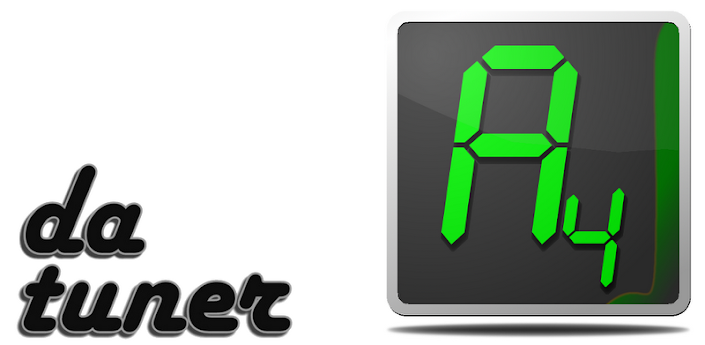
I pulled out my Piano Teacher's Resource Kit and photocopied the reproducible Keynote Reader worksheets. Next, I had those students write in the letter names and draw a line connecting the note on the keyboard to the corresponding position on the staff.
Next, the pièce de résistance: I introduced the keyboard number system. For instance, the lowest C on the piano is C1, with the notes below being A0 to B0. I labelled the first one for them and had them finish the rest.
Next, I had them apply this new knowledge to the pieces they have been working on. It didn't take them long at all once they labelled their starting notes as "C4" instead of just any old "C".
Thank you DaTuner Lite and Piano Teacher's Resource Kit!
 look inside
|
Piano Teacher's Resource Kit Reproducible Worksheets, Games, Puzzles, and More!. Educational Piano Library. Teacher Resource. Softcover. 88 pages. Published by Hal Leonard (HL.296802). |
Tips on Project Management and Learning Music
For those of you doing a music exam or playing at the music festival, you're probably feeling the pressure from your music teacher and parents. After all, we're in exam and music festival season and the clock is ticking!
For those of you doing a music exam or playing at the music festival, you're probably feeling the pressure from your music teacher and parents. After all, we're in exam and music festival season and the clock is ticking!
To help keep my students on track, I've helped them come up with a Project Management Timeline for the areas that need work. When I first used this backwards project timeline, it was during my co-op term at CPO. I had to plan out when I needed to write my press releases for upcoming concerts at the Calgary Philharmonic Orchestra. Working backwards from the radio, TV and print media's submission deadlines, I was able to figure out when I needed to write the press releases for the spring concerts. It works well for music too:
D-day in this case is the week leading up to the APTA Festival. I had my students count out how many weeks they had till D-day. Then, I informed them that they needed to give themselves at least one month to let their memory settle and to polish their pieces. This is represented by the first two numbers on the LH side of the page.
From there, we calculated just how many weeks they had left to memorize "Piece X" and how many weeks they had to finish learning the piece.
Next, we looked at the RH side of the page; at the total number of lines in the piece, the number of lines learned already and finally, the number of lines left to learn. Then it was time to put the math hat on:
9 lines to learn DIVIDED by 3 weeks learning time = 3 lines to learn per week
18 lines to memorize DIVIDED by 7 weeks = 2.6 lines to memorize per week, give or take a bar or two, depending on phrasing
In this example, the student needs to spend some practices learning the rest of the piece and some practice time on memorizing a section.
With the formula, the music memorization deadline thus becomes the week of March 27. You can also use this formula to help figure out your practice milestones for the week.
Give it a try with your current pieces - good luck!
P.S. Now, the milestones will change, depending upon the level of difficulty of the piece and the student's work habits
Social Media Links
archives
- #YYCArts 32
- #YYCEvents 39
- Collaborative Music 25
- Community 11
- Composing & Arranging 6
- Entertainment 139
- Entrepreneurship 53
- Freebies 3
- Gardening 1
- Geeking Out 65
- Health & Wellness 120
- Improvisation 25
- Interviews 28
- Learning Music 188
- Martial Arts 13
- Memorization 7
- Music 230
- Music Careers 9
- Music Education 196
- Music Examinations 7
- Music Exploration 55
- Music Gigs 14
- Music Lessons 6
- Music Performance 32
- Music Theory 13
- Musical Instruments 12
- Musician Health 19
- Pets 57
- Piano Technique 12
- Practicing Music 120
- Productivity 20
- Professional Development 11
- Recommendations & Reviews 93
- Recreation 71
- Social Media 6
- Spirituality 10
- Studio Management 33
- Studio Technology 50
- Teaching Music 146
FOLLOW THE STUDIO on Instagram


Affiliate Links
As a Sheetmusicplus and CD Japan affiliate, I earn from qualifying purchases. The earnings help fund the Studio’s blog and YouTube channels. Your support is greatly appreciated.


FOLLOW Budo no Tabi on Instagram